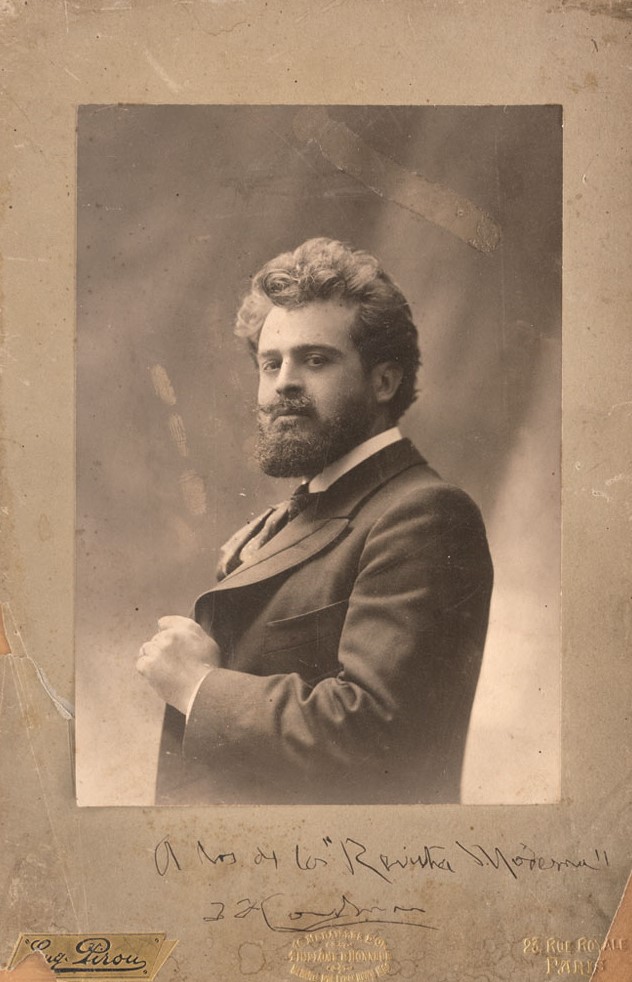
Jesús F. Contreras
Birth:
Aguascalientes, Mexico.
Death:
Mexico City, Mexico.
Occupation:
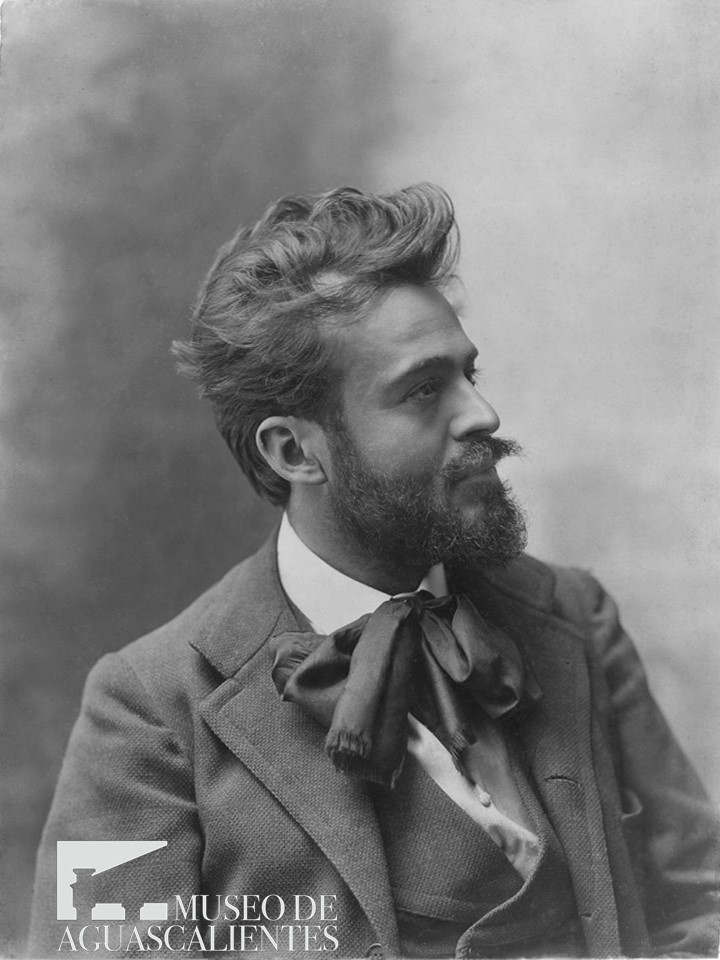
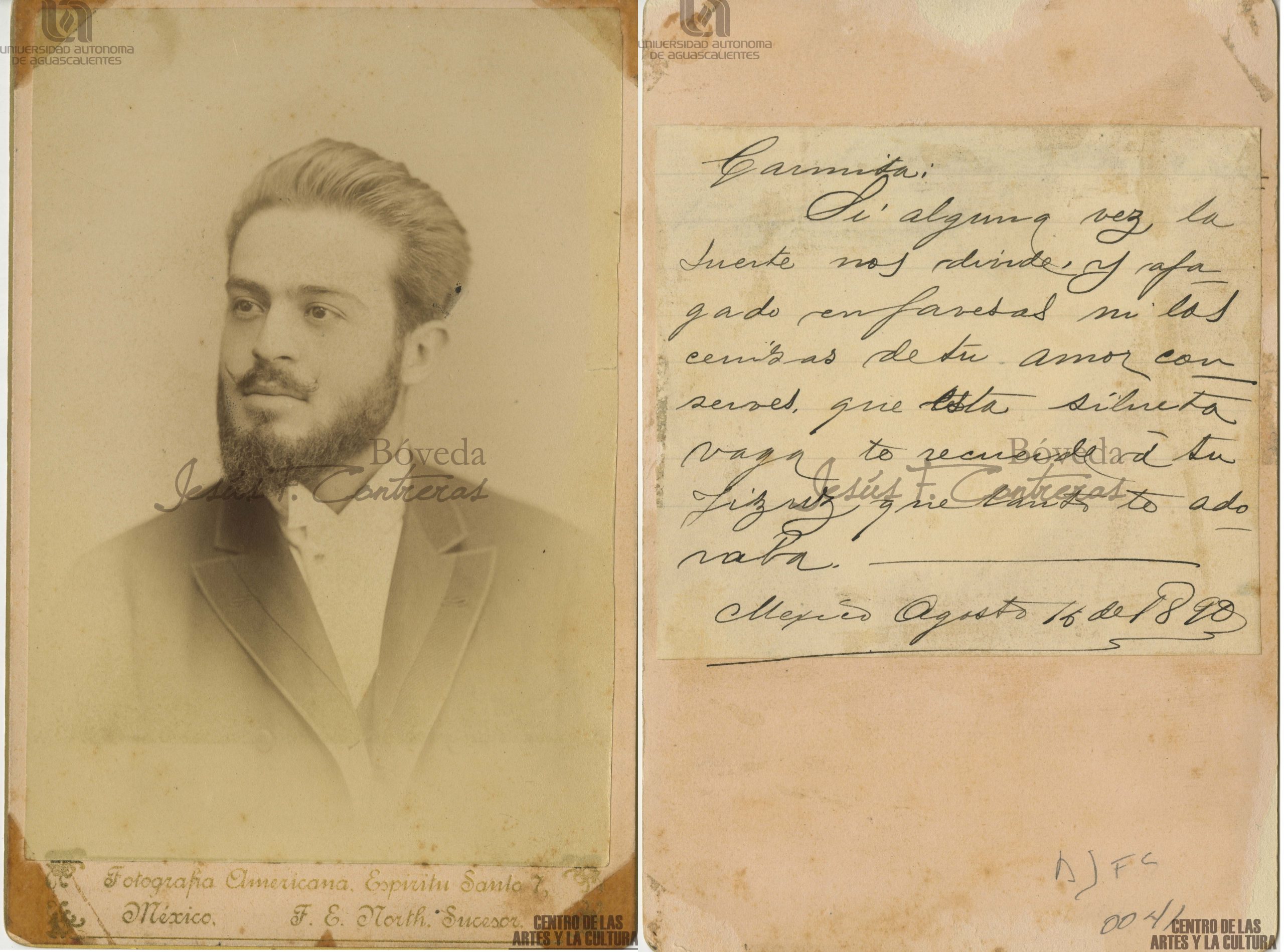
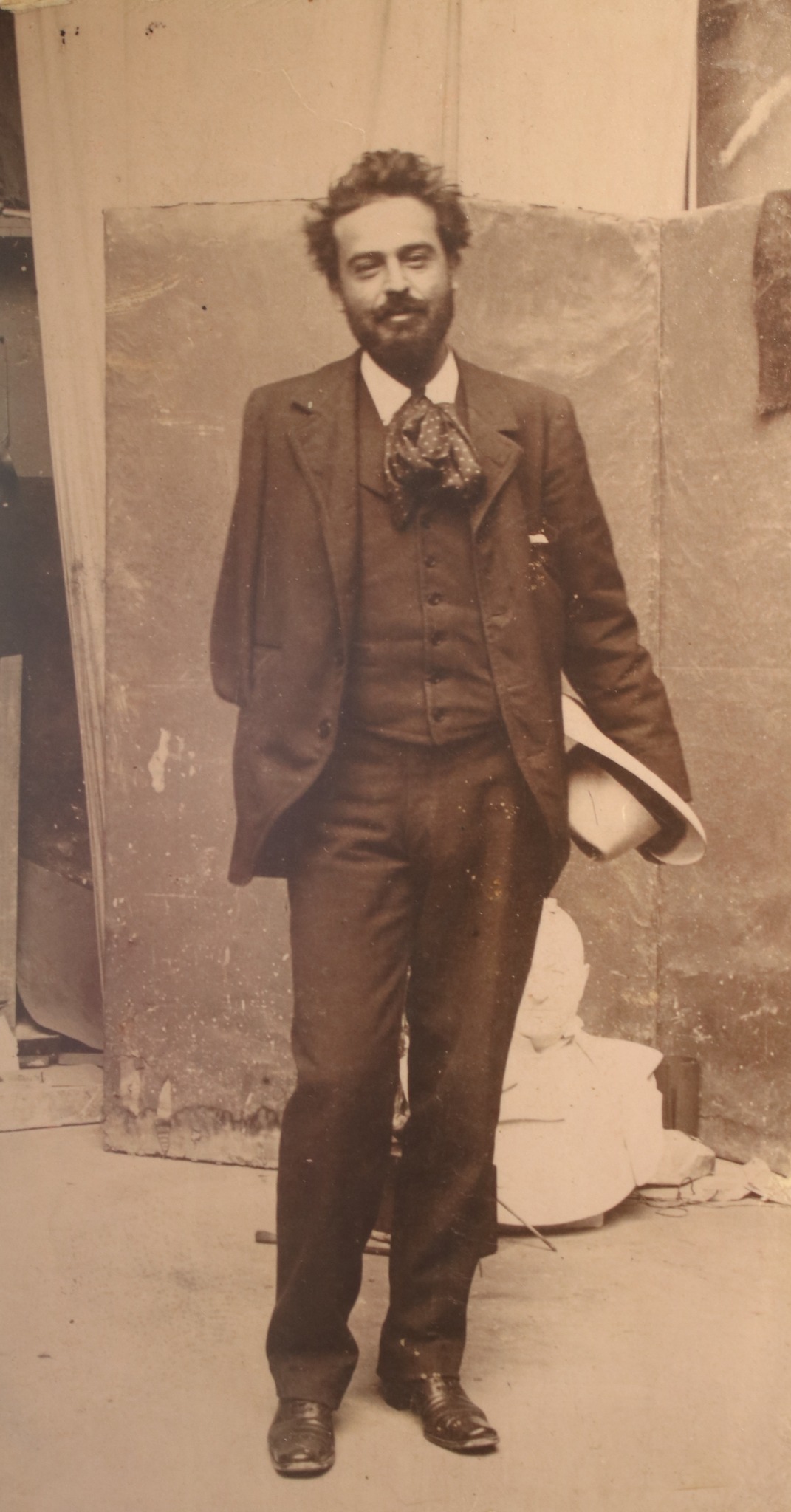
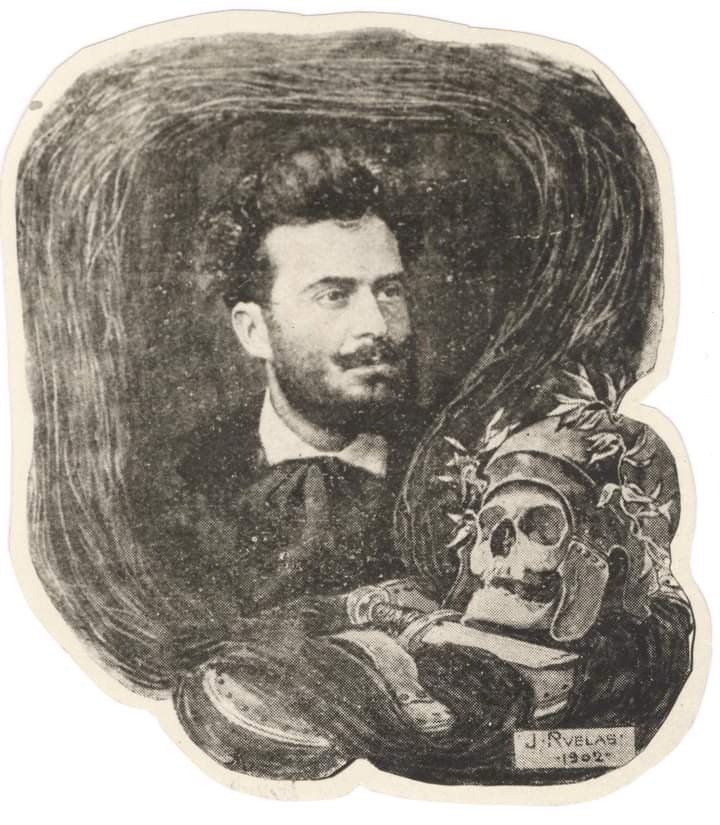
He was born in Aguascalientes on January 20, 1866. He belonged to a family of intellectuals who somehow left their mark on his development. He was the nephew of José Ma. Chávez, a man of liberal tradition and the state's first governor.
Jesús Fructuoso Contreras entered the National School of Fine Arts in Mexico City in 1881. At 21, he won a scholarship from the same school to travel to Paris to specialize in artistic foundry during the period 1887-1889.
In Paris he started as a worker in an ornamental bronze workshop, then trained as a stone carver and then became an apprentice at the "Allard" house, which specialized in the branches of sculpture and art bronzes.
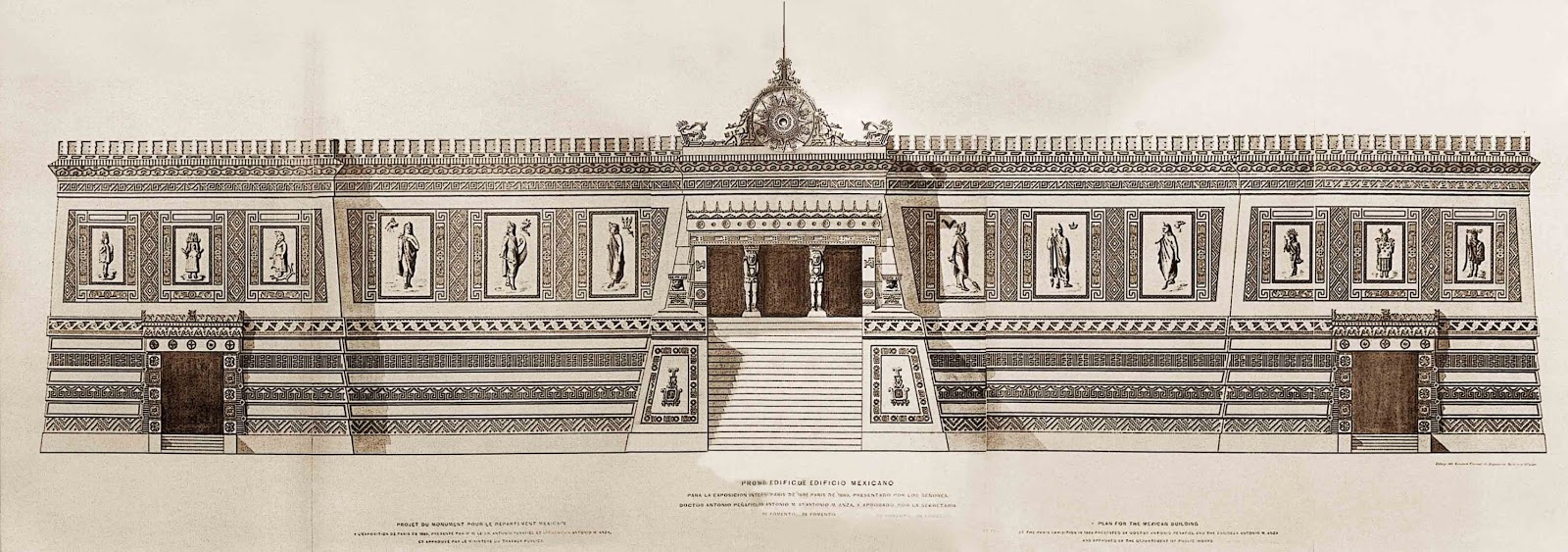
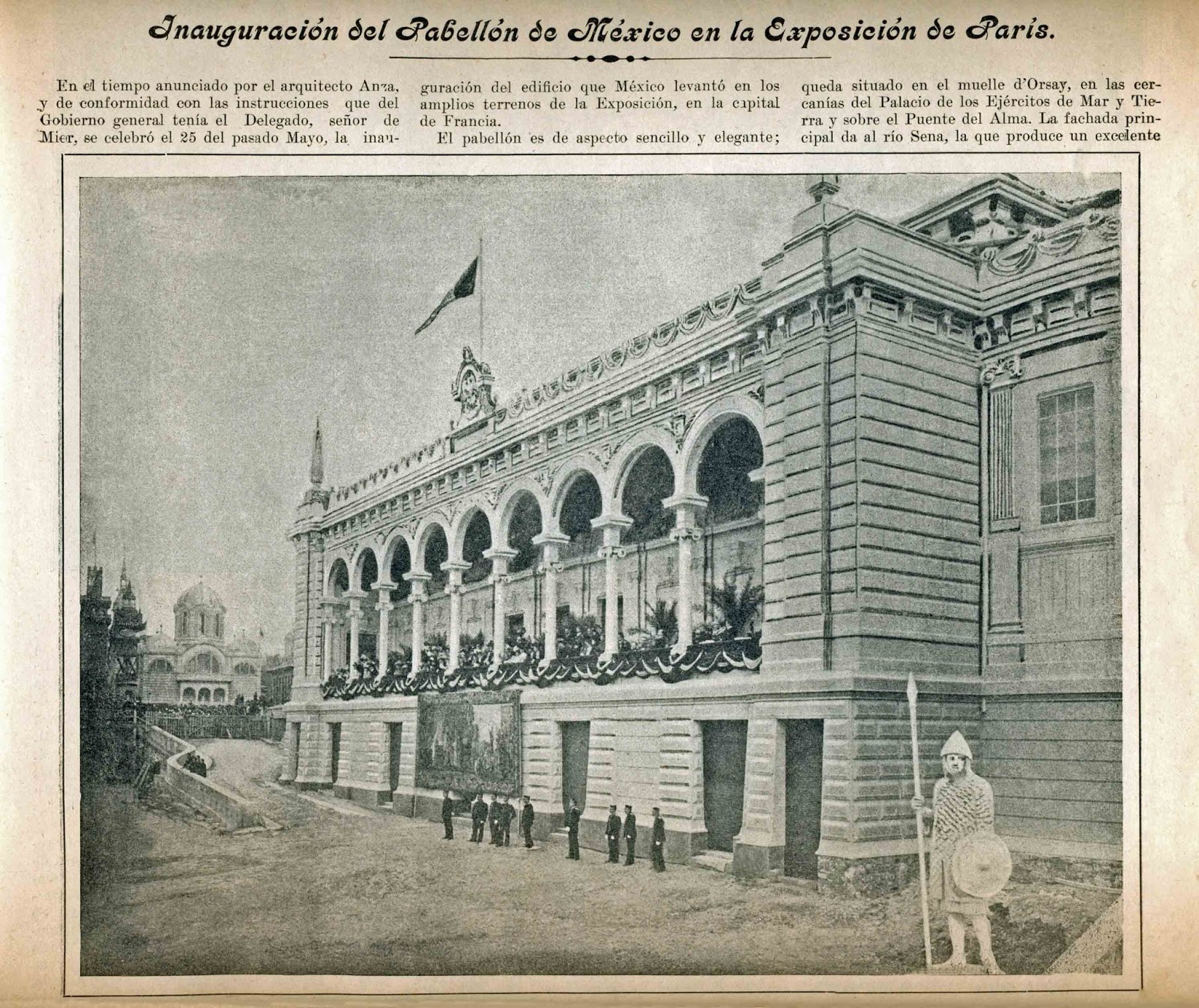
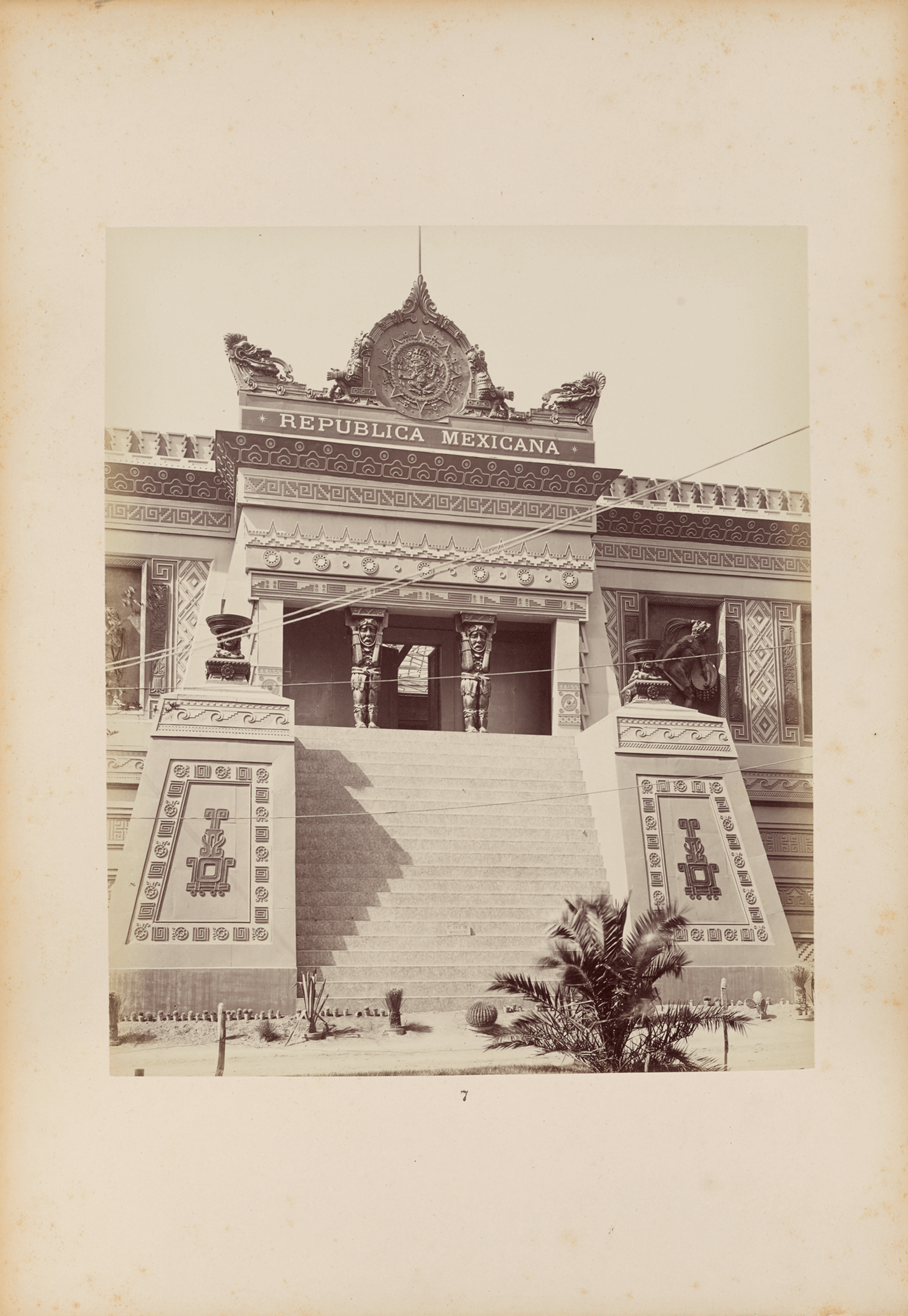
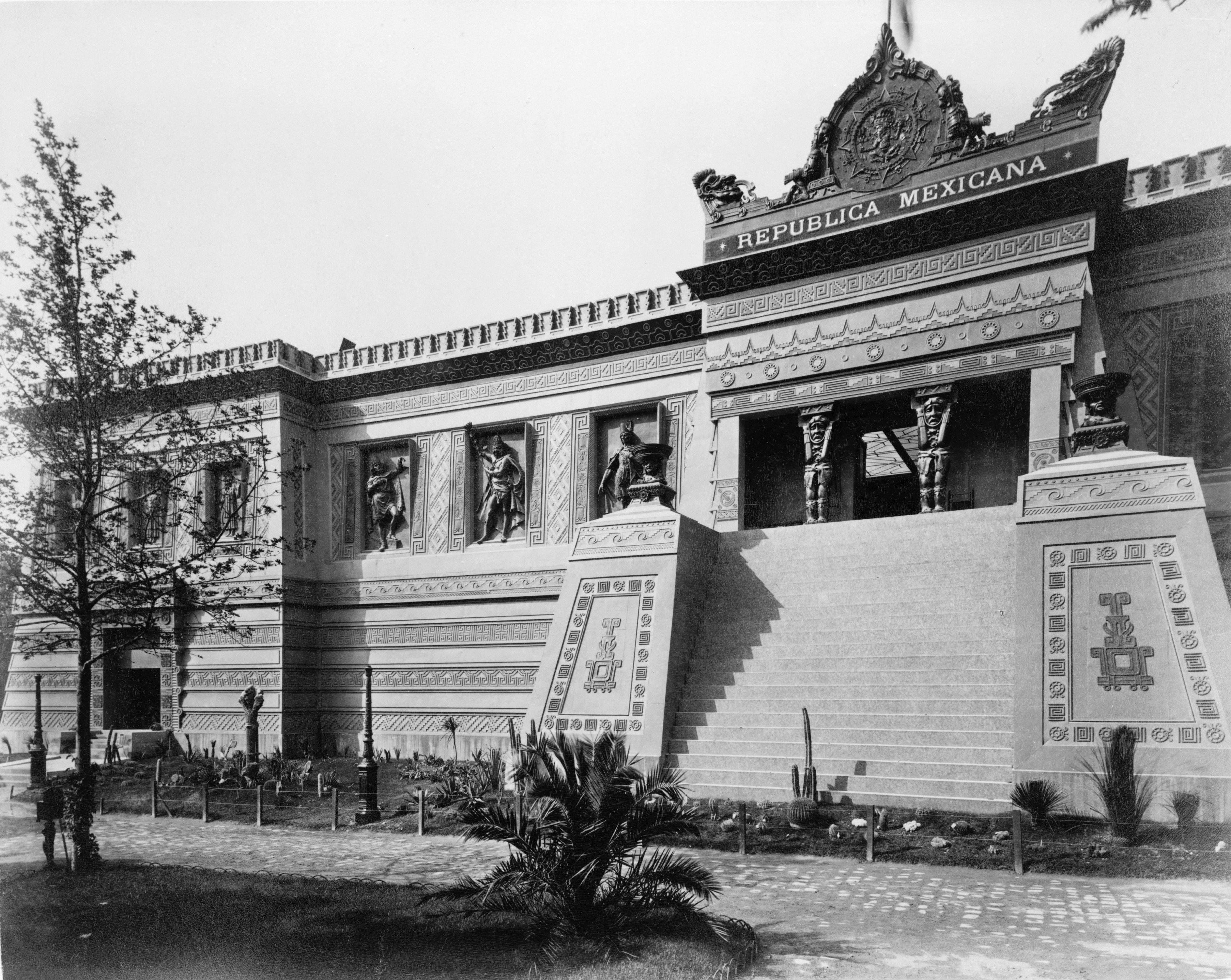
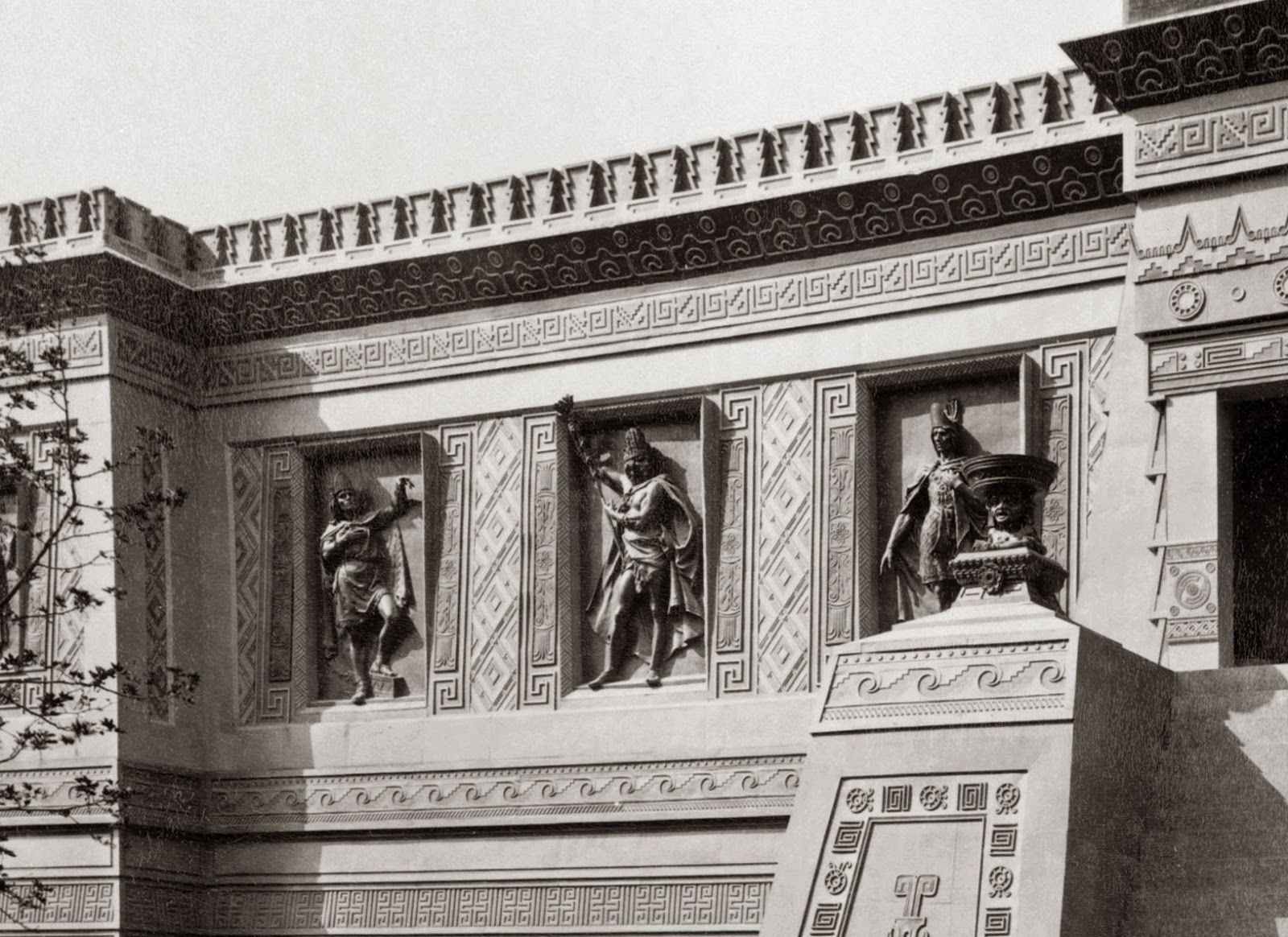
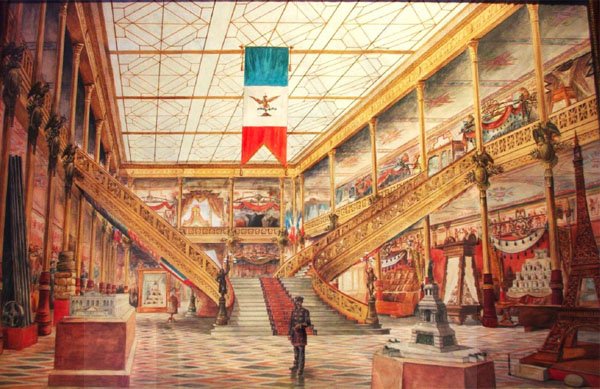
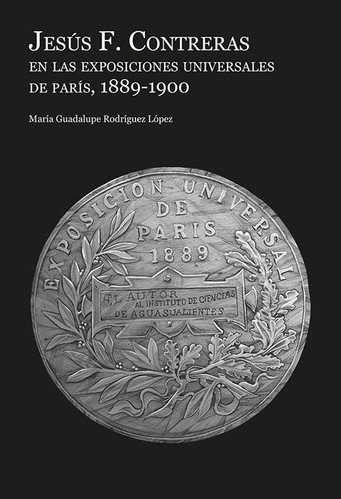
In March 1888, he offered his services to take charge of the sculpture and decoration of the building with which Mexico would participate
His work was requested, and after a brilliant performance by Mexico and the artist at the exhibition, Contreras returned to Mexico in late 1889, motivated both by the commitment he had made as a scholarship recipient to take charge of the foundry workshop at the National School of Arts and Crafts, and by his recent appointment as a drawing professor at the National School of Fine Arts.
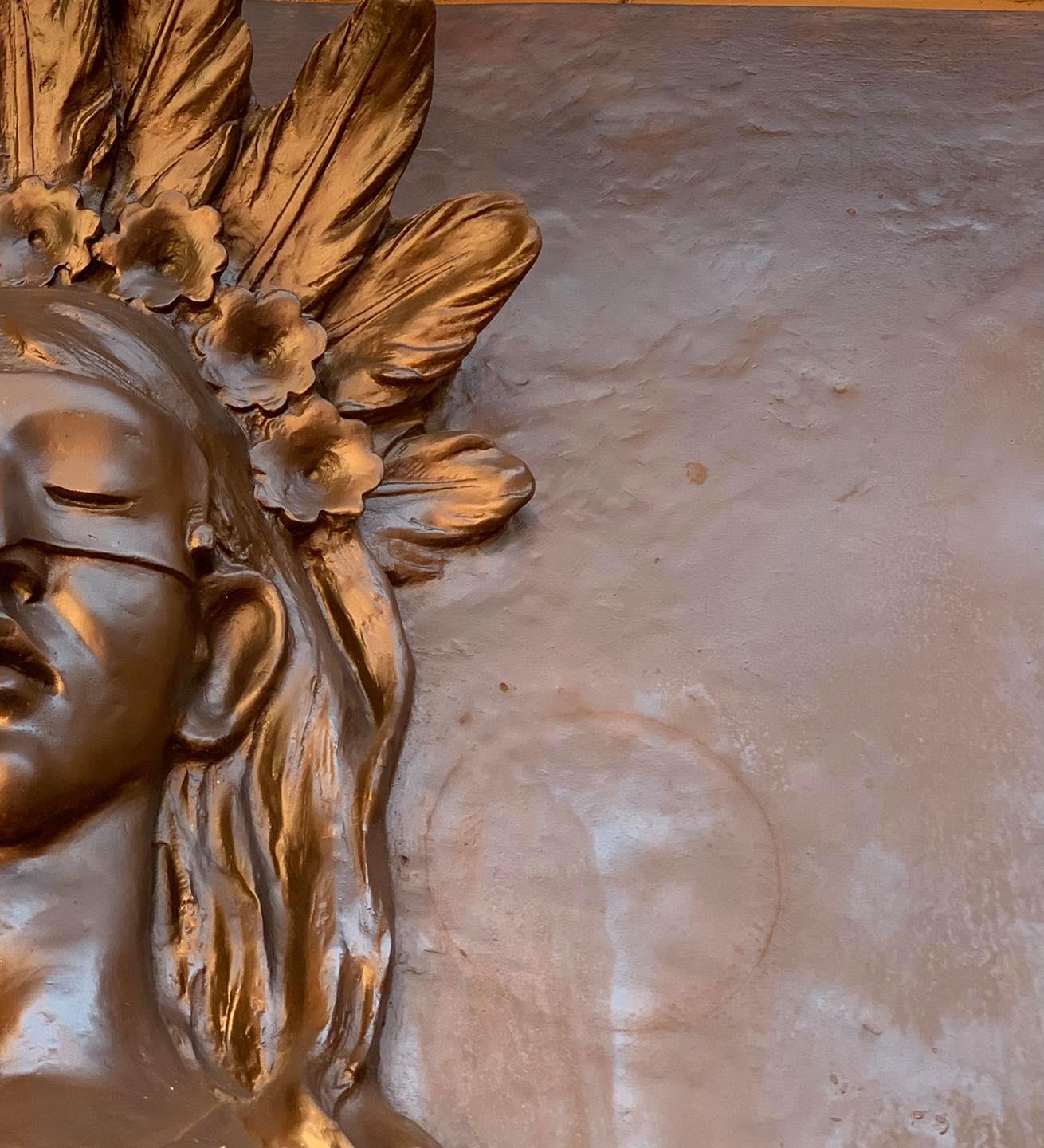
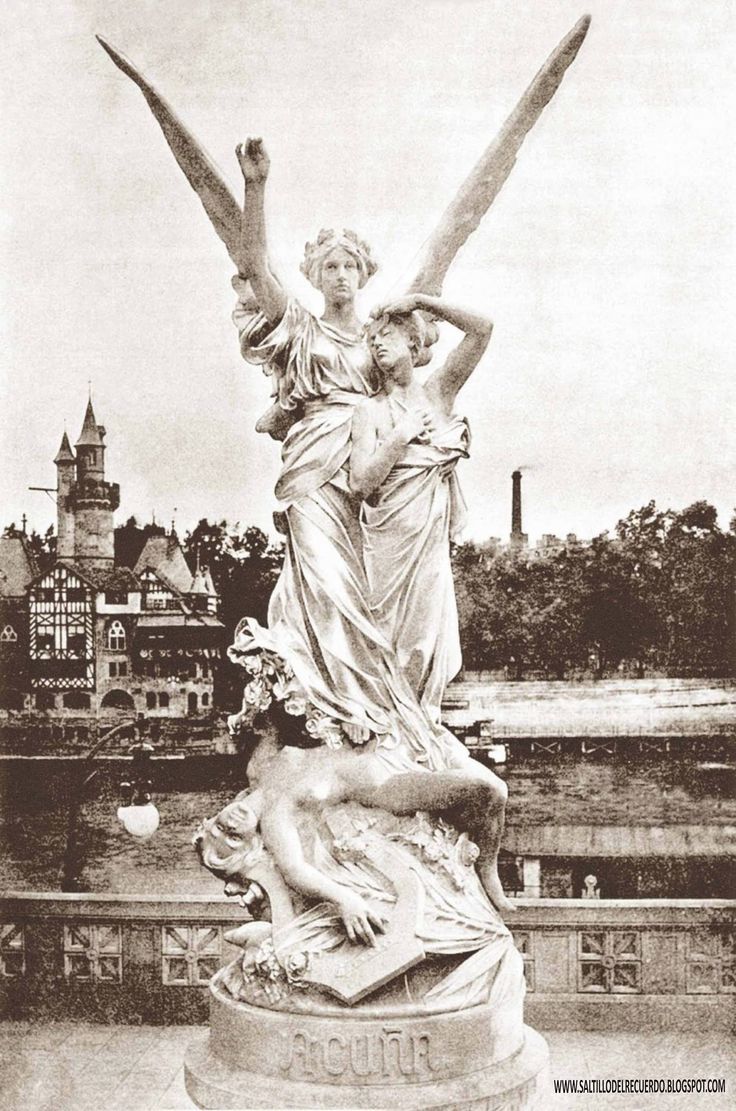
Some time later, he became independent from the Academy thanks to the support he received from the State, and with it, he established the Mexican Artistic Foundry. The establishment of the Mexican Artistic Foundry in 1892 provided Contreras with the infrastructure to produce most of the public monuments erected in the country.
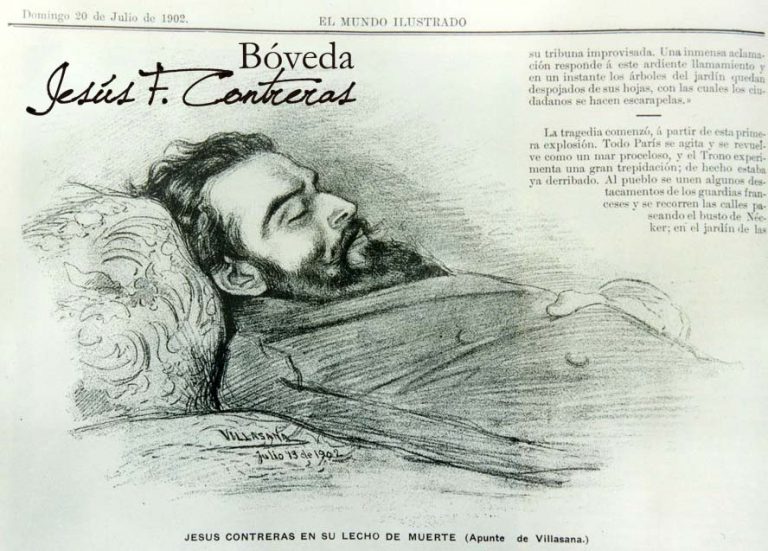
The success of Jesús F. Contreras was due to the consistency between his work promoting public statuary and his interest in boosting the decorative arts market. However, this success would be overshadowed by a terrible illness: cancer.
In 1898, the Mexican government appointed him Commissioner General of Fine Arts at the Paris Universal Exposition of 1900. He left Veracruz in May 1898 with the mission of doing a decent job for the World Exhibition and hoping to cure his illness. Unfortunately the diagnosis of doctor Tillot was categorical and proceeded to the total amputation of the right arm of the sculptor, on the 24th of that same month.
Contreras trained his left arm to such an extent that, after a few months, he managed to write and manipulate clay once again. In September 1899, the magazine Revista Moderna published a photograph of one of the artist's works: a female bust titled Innocence, his first piece modeled entirely with his left hand.
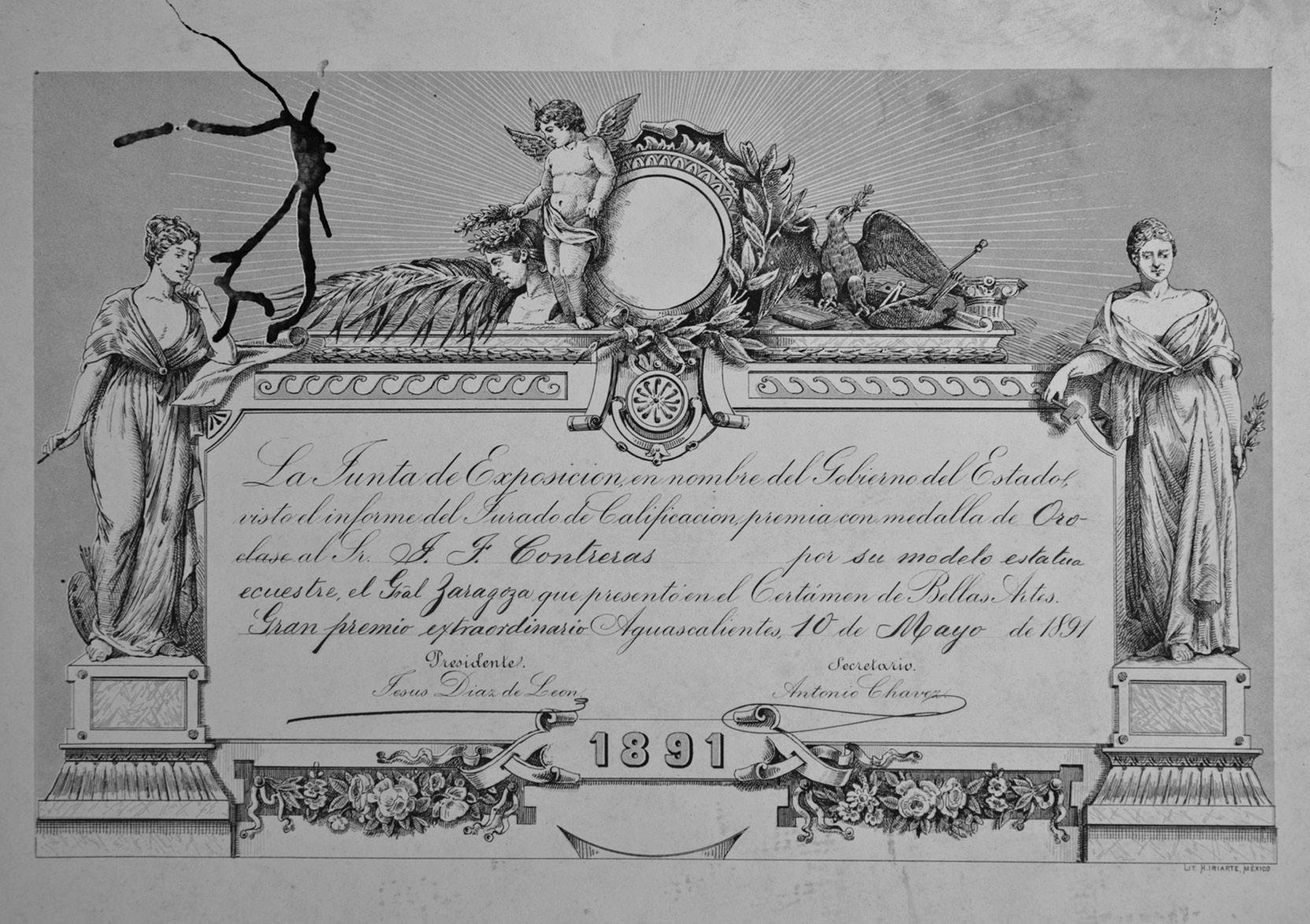
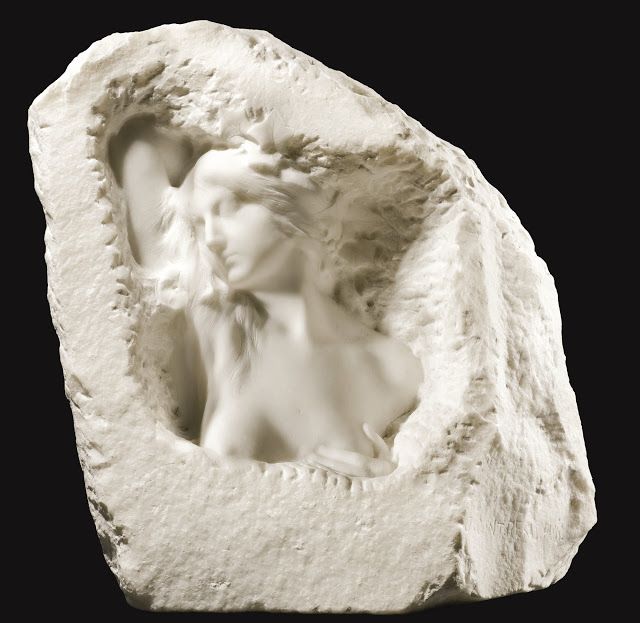
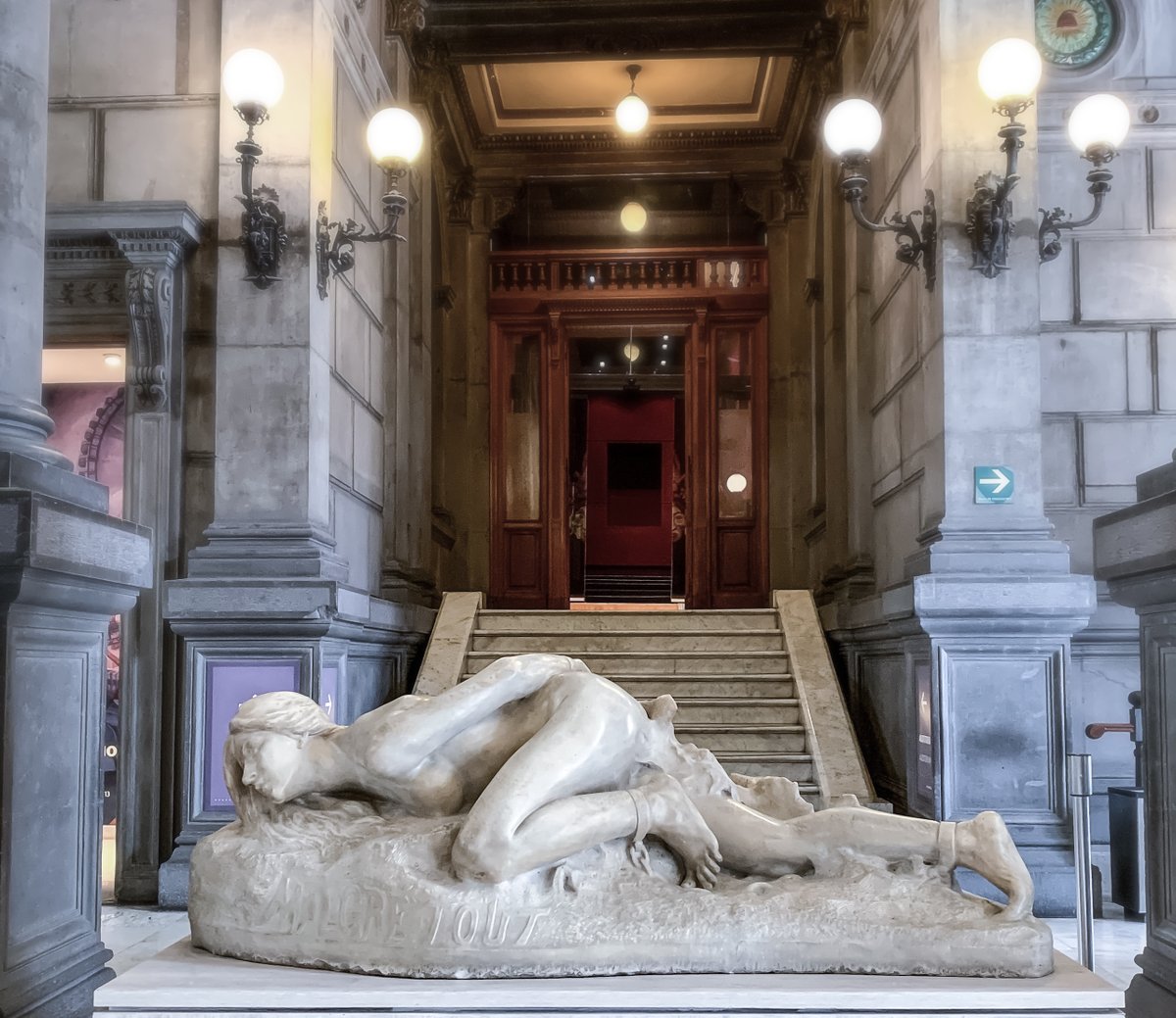
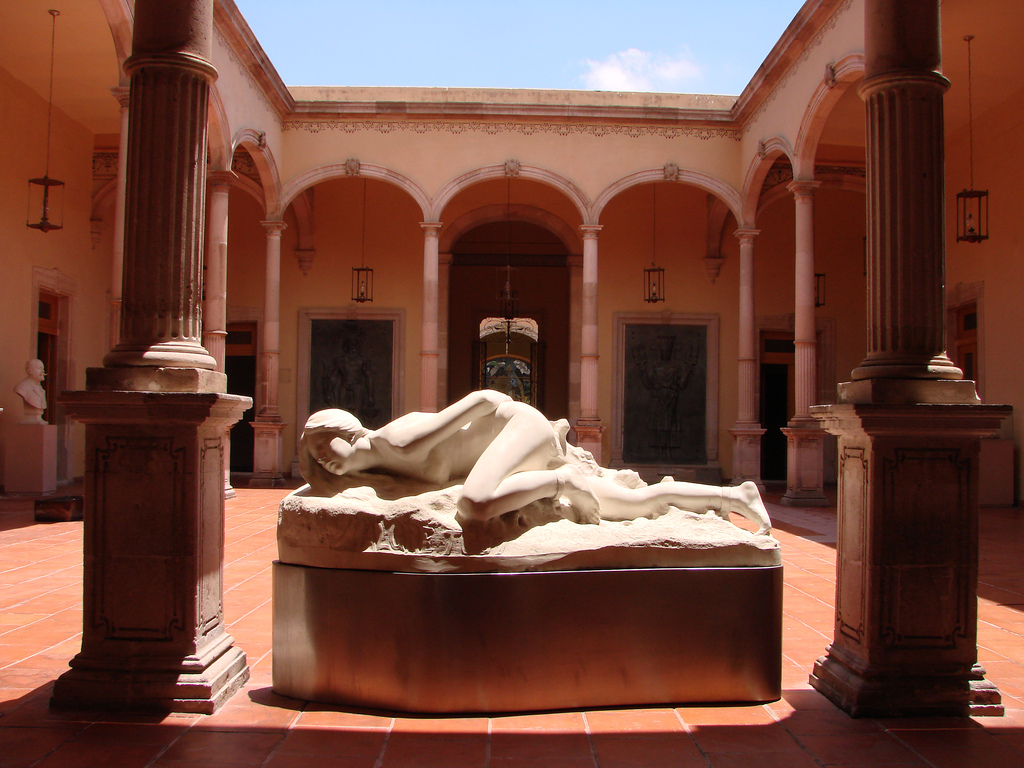
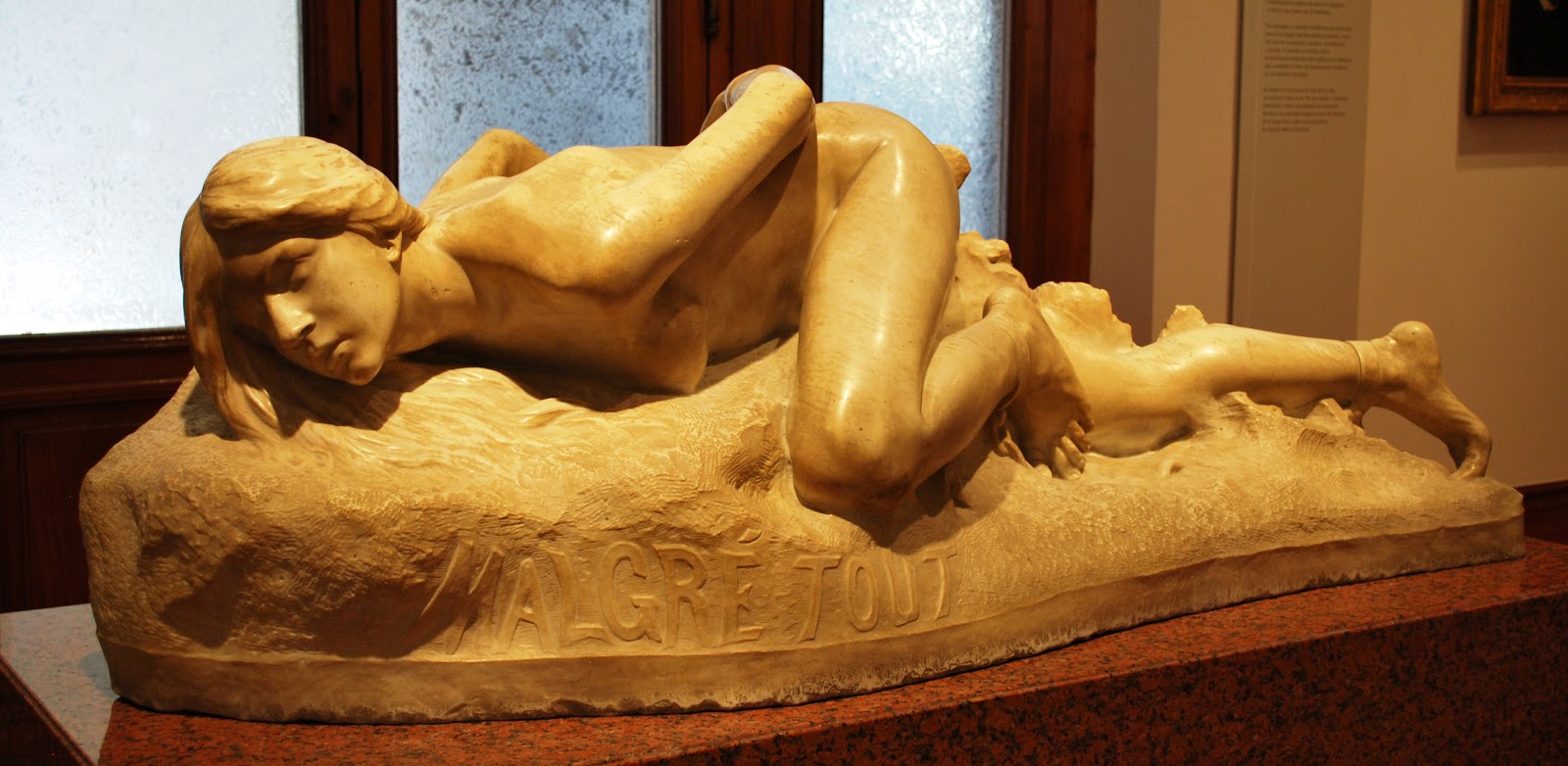
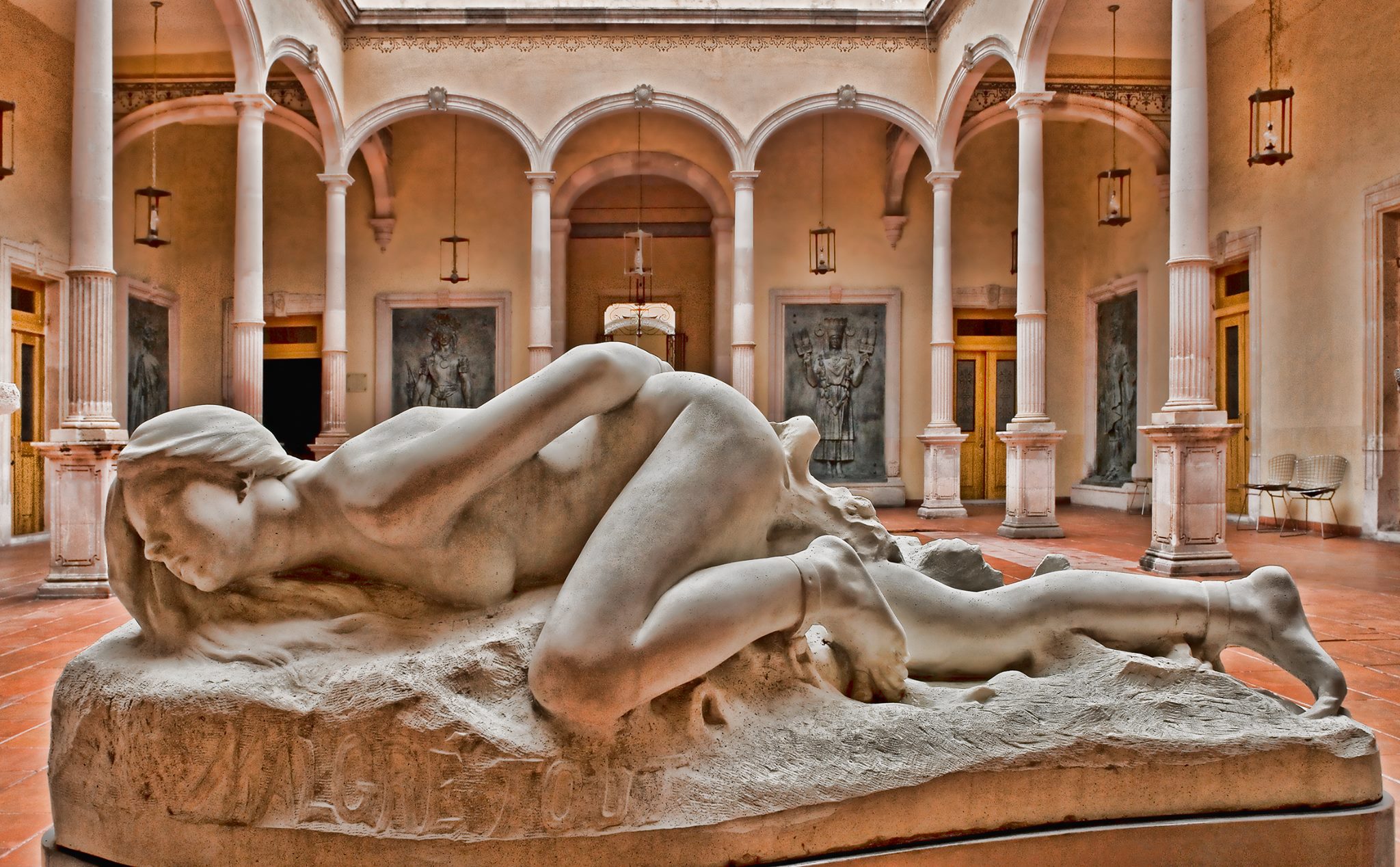
The Grand Jury of the Universal Exposition honored Jesús F. Contreras with several awards and prizes for his participation in different sections. His projects (not built) for the exhibition hall, included in the section devoted to architectural works, earned him an honorary mention, while for his intervention in the Retrospective Section he obtained a diploma. However, all those distinctions turned out to be insignificant next to the Grand Prize of Sculpture and the Cross of the Legion of Honor that he received for his work Malgré Tout (Despite everything), a marble piece currently on display at the National Museum of Art in Mexico City, although there are at least two copies of this one, one in the Aguascalientes Museum and another as a decorative piece in one of the flower boxes in the central avenue, Mexico City.
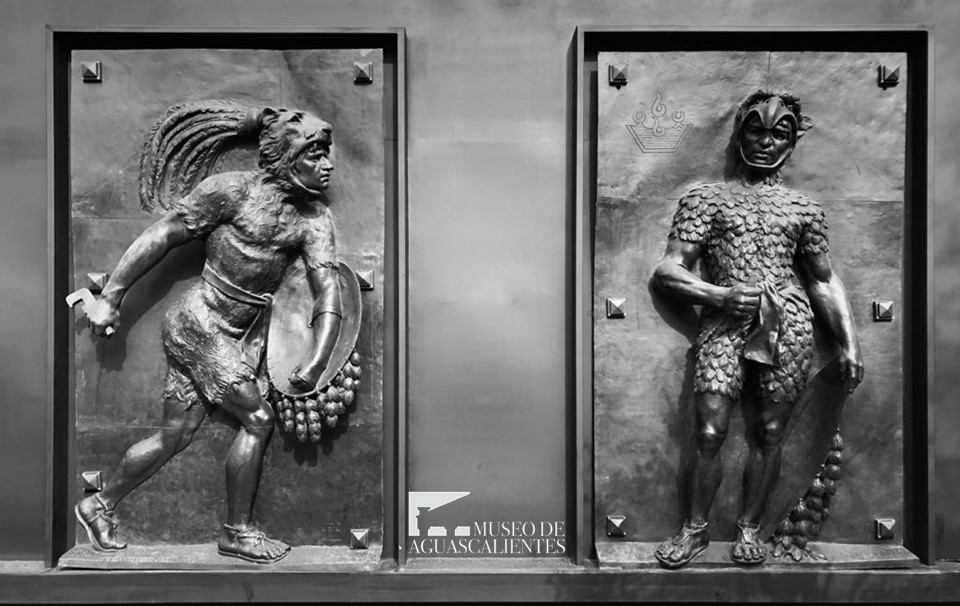
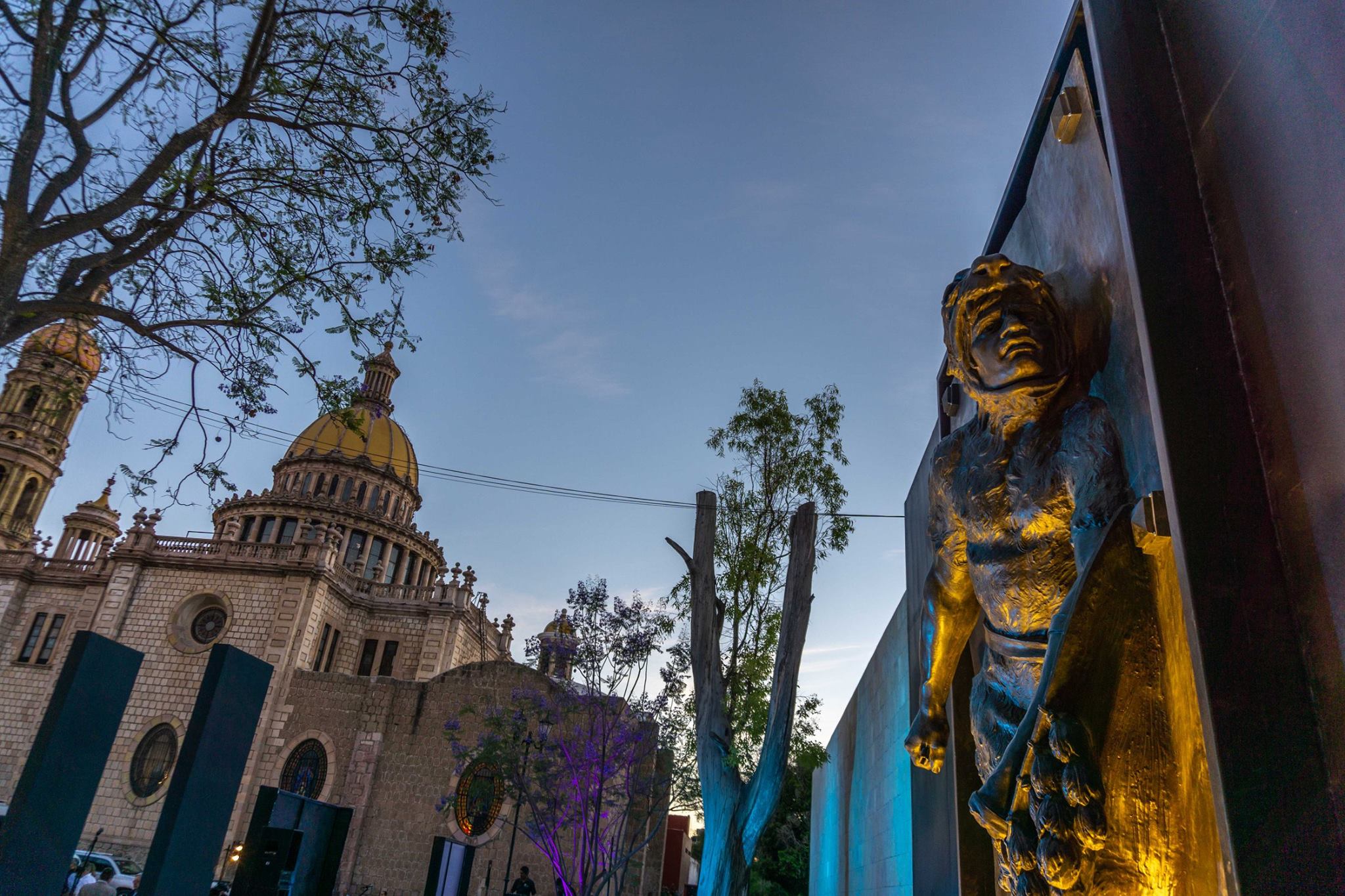
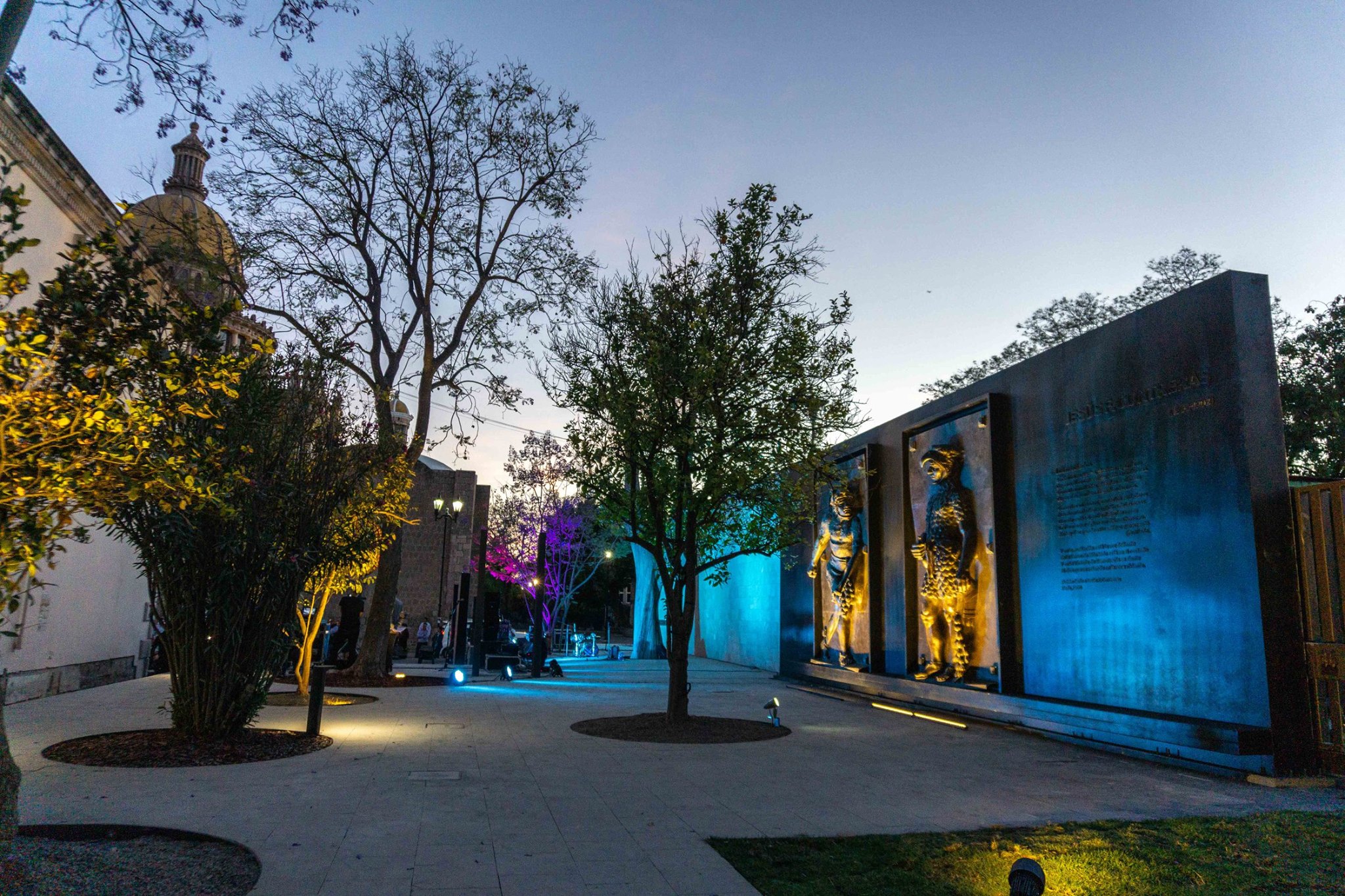
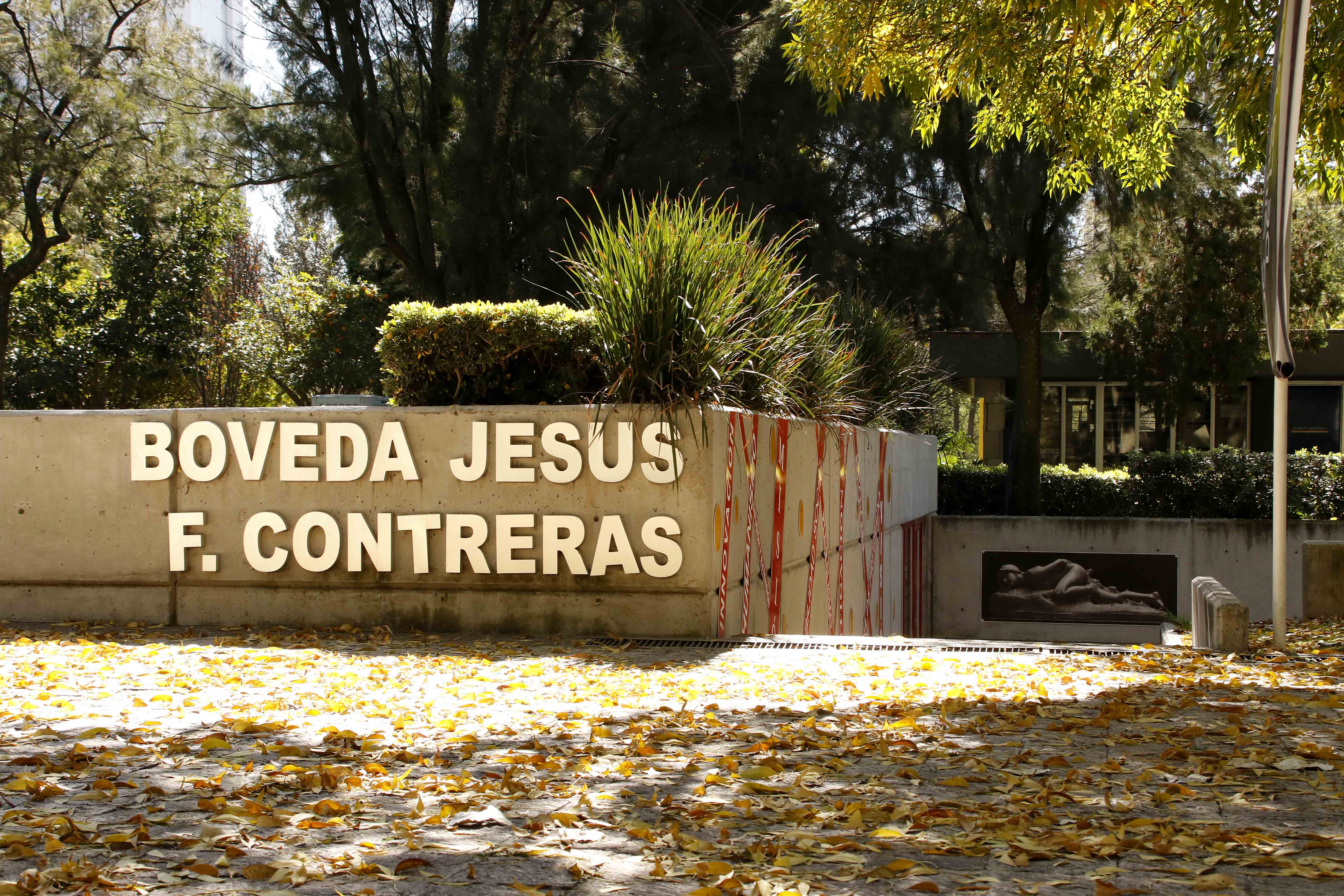
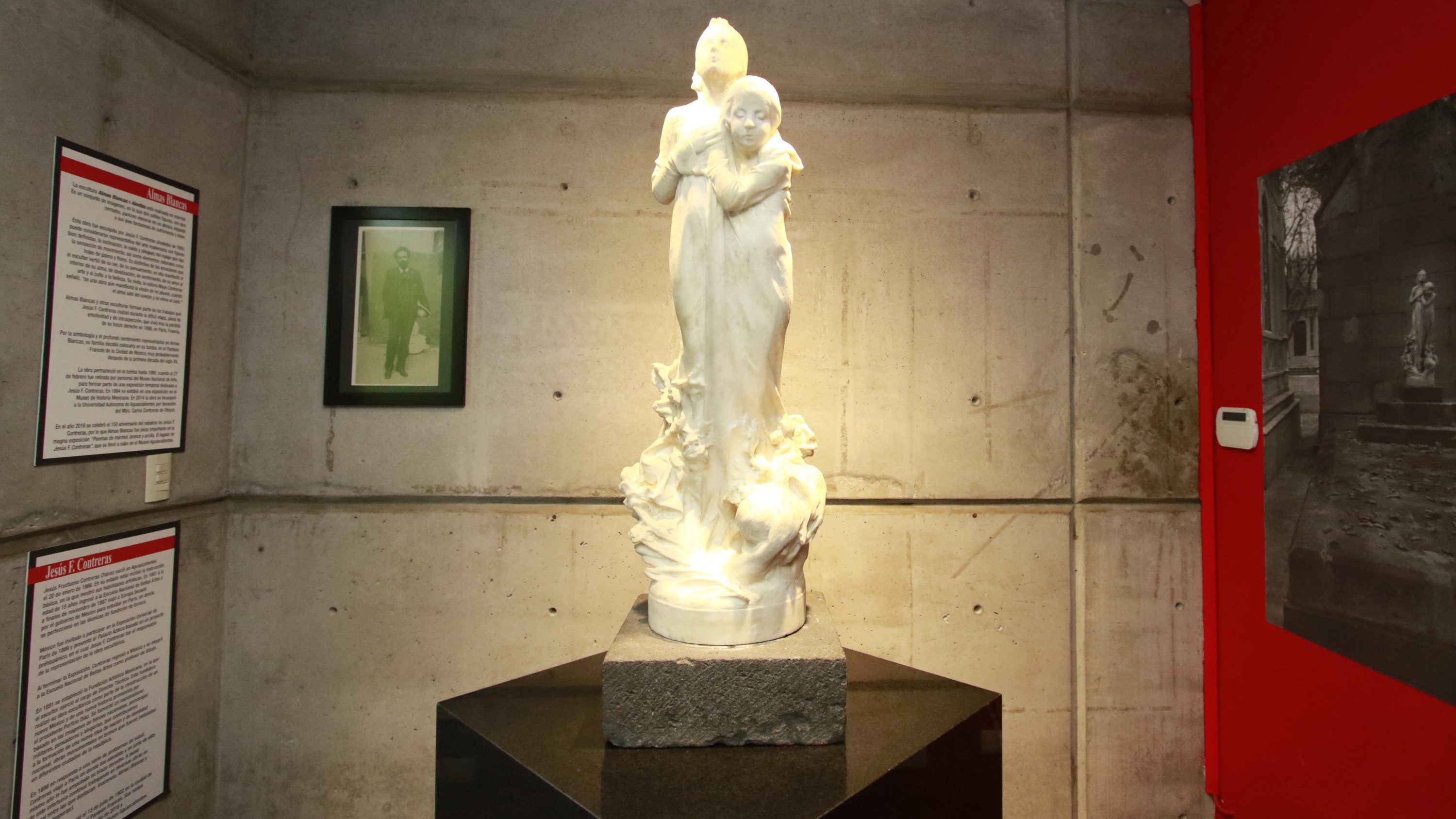
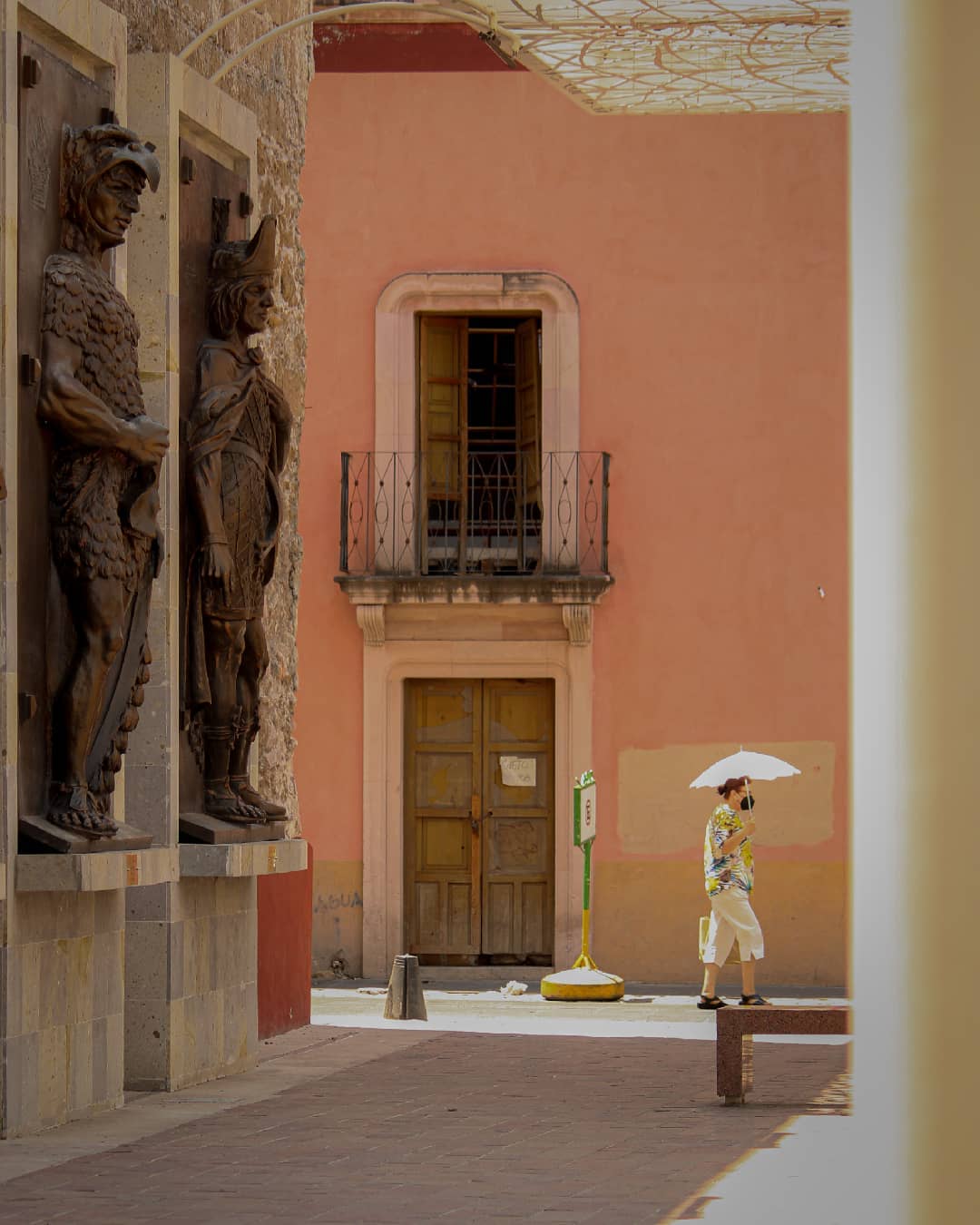
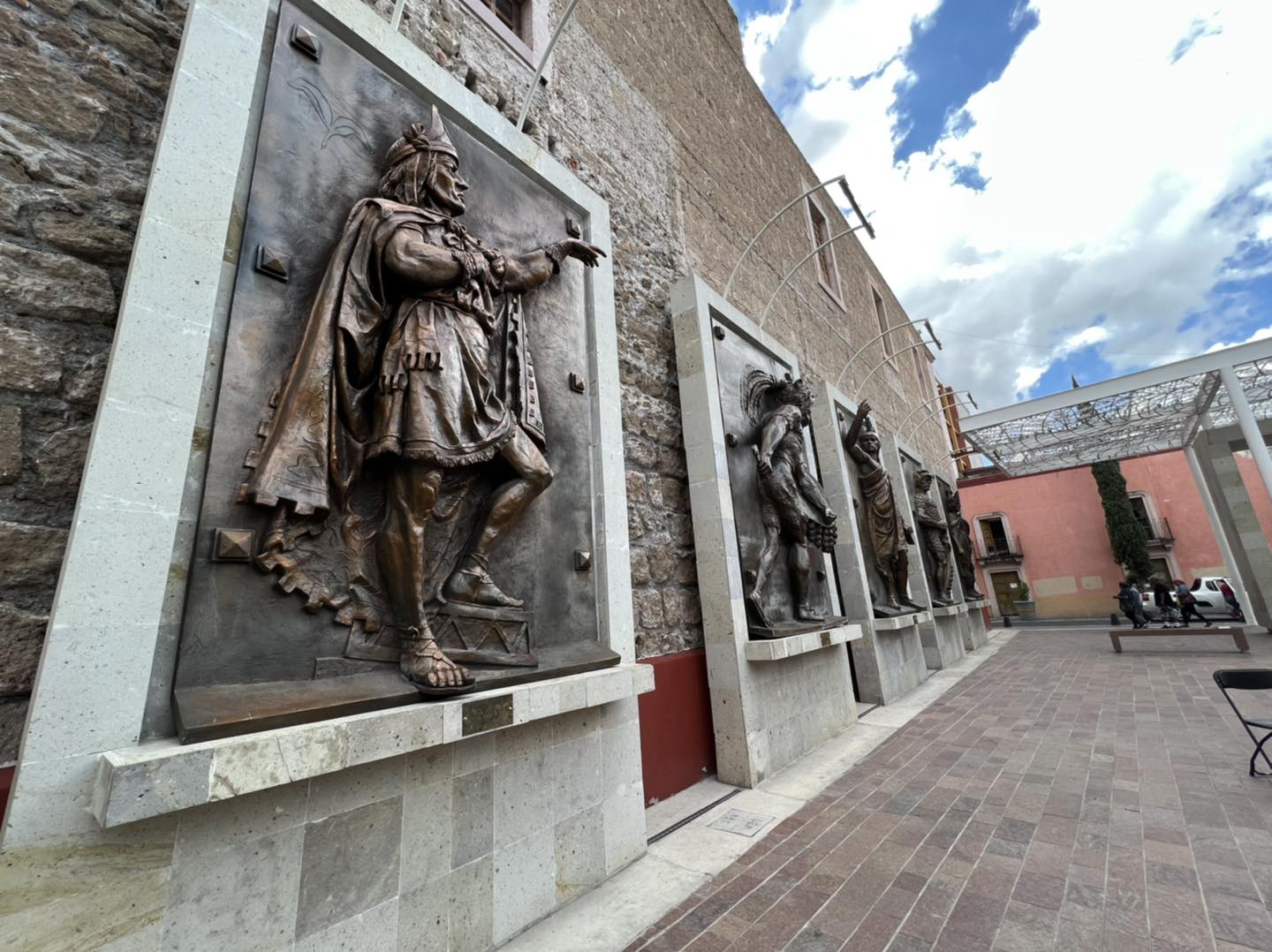
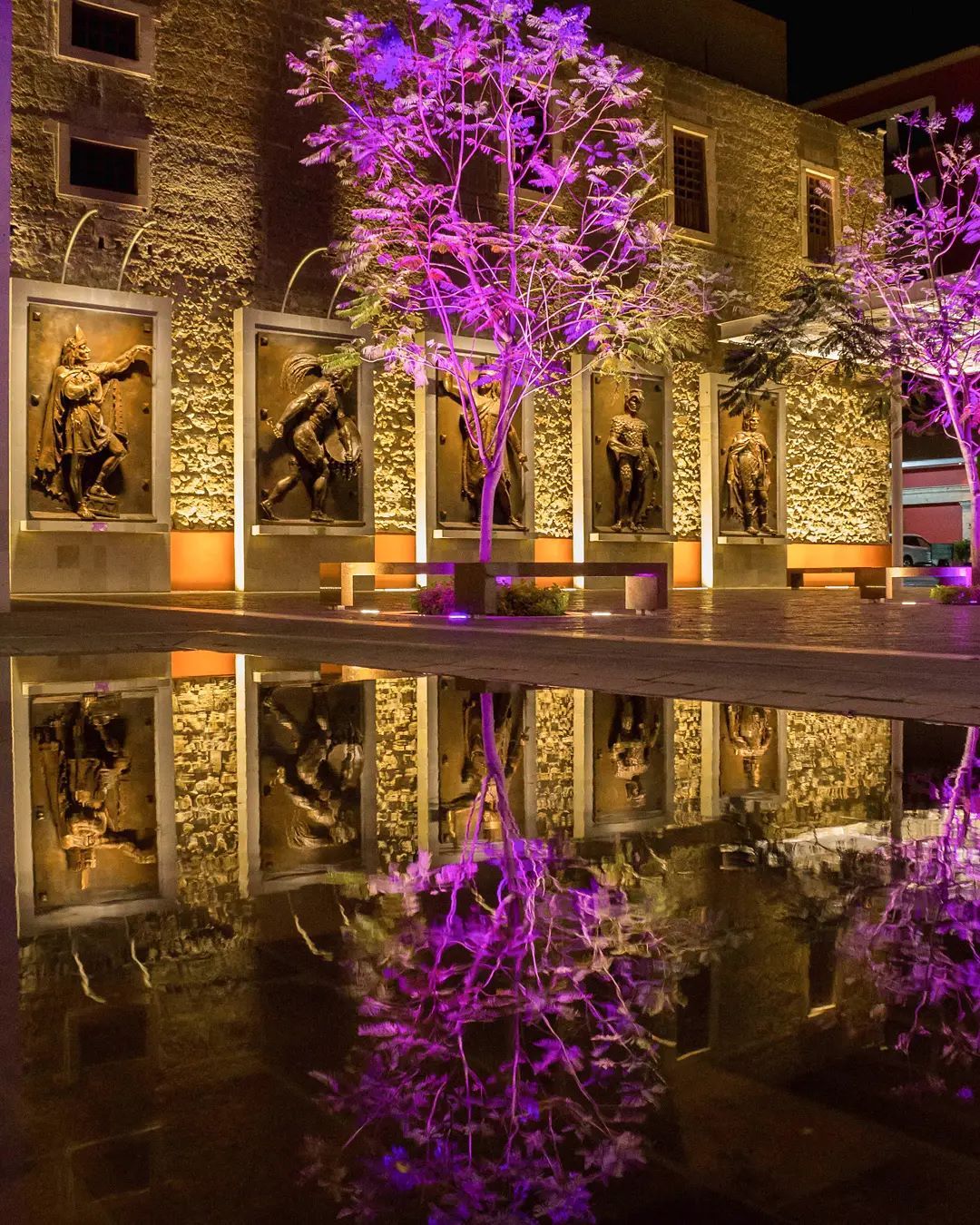
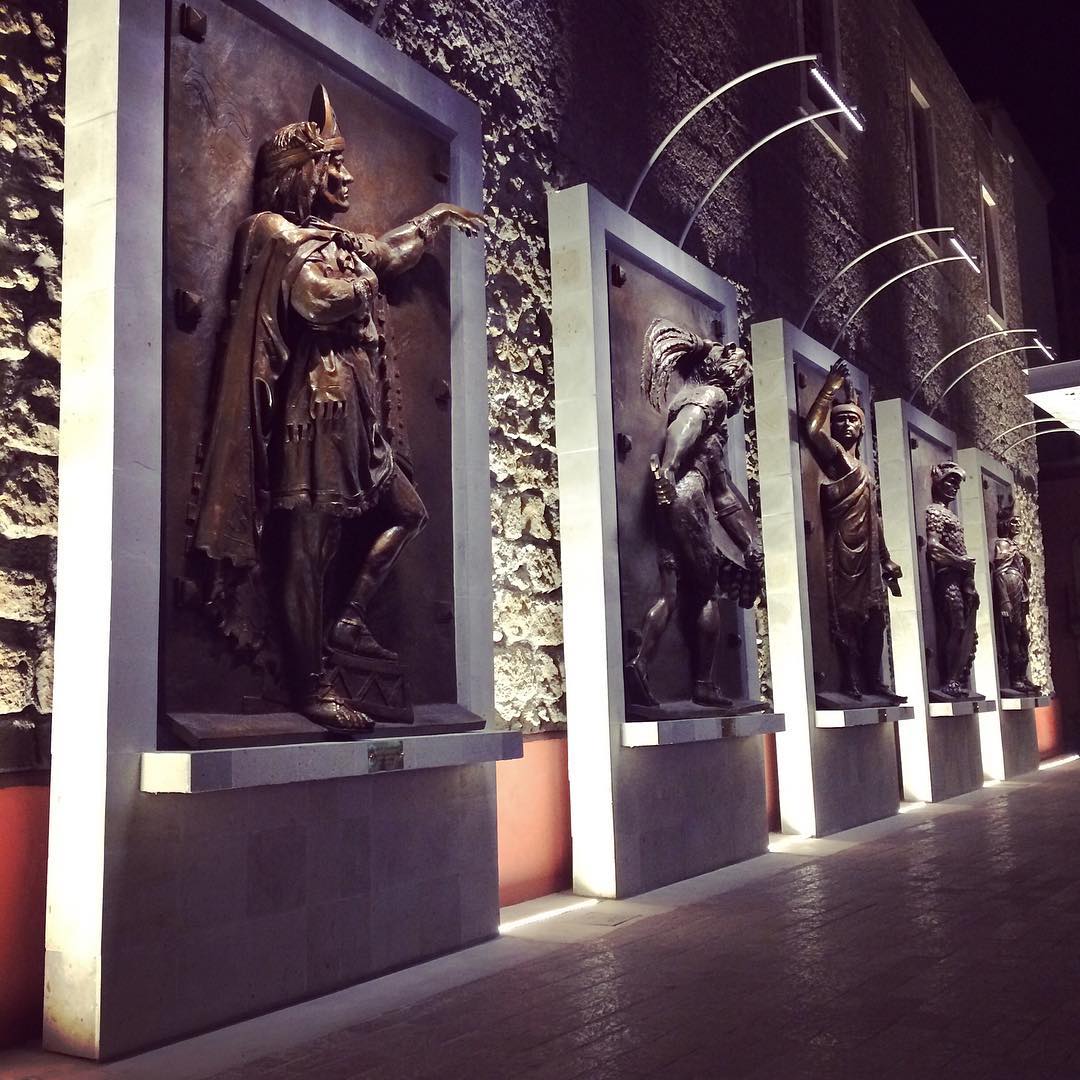
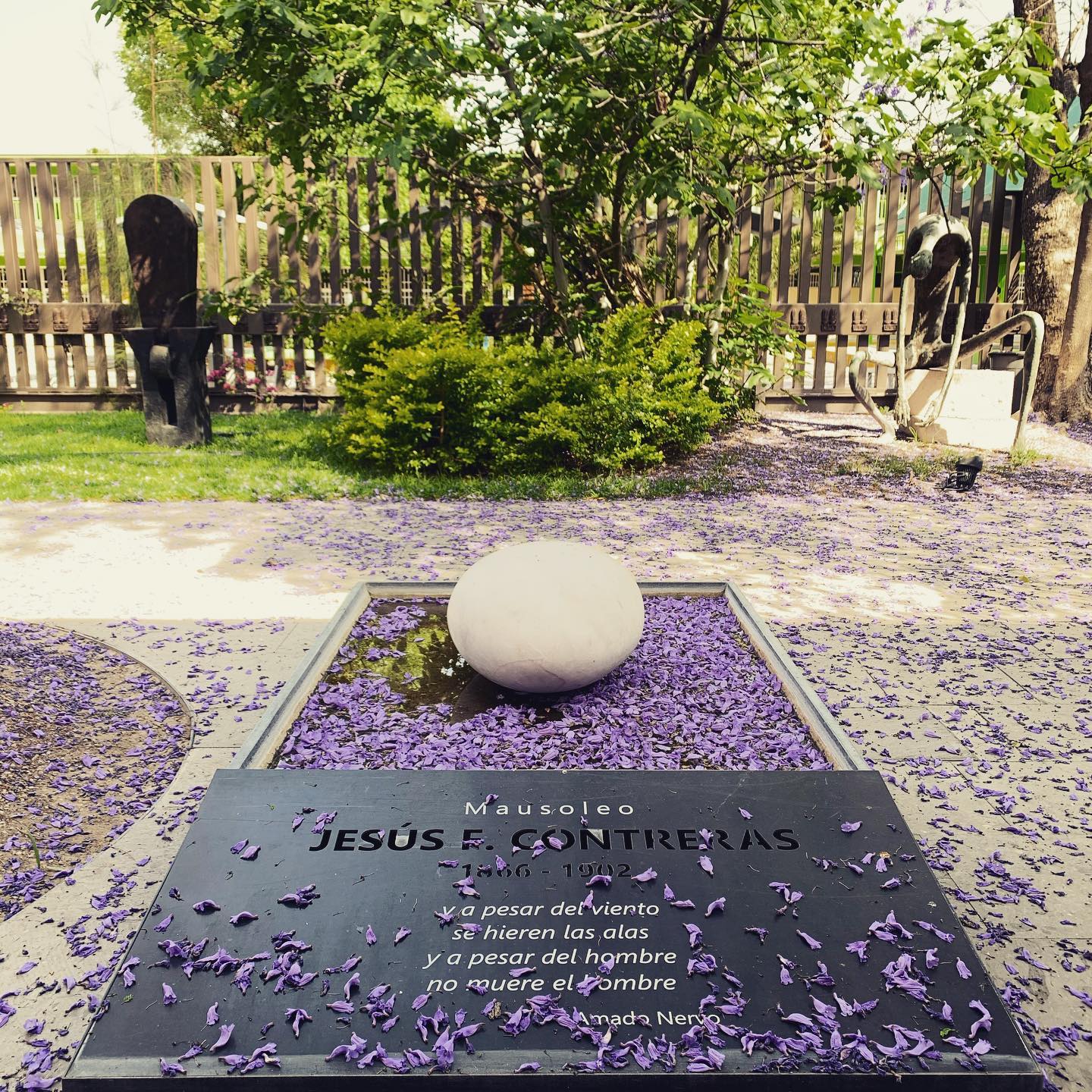
Find out more about the work of this great artist in spaces such as: Museo Aguascalientes, Boveda Jesús F. Contreras (UAA) and the Patio Jesús F. Contreras next to the Morelos Theater (Centro Histórico).