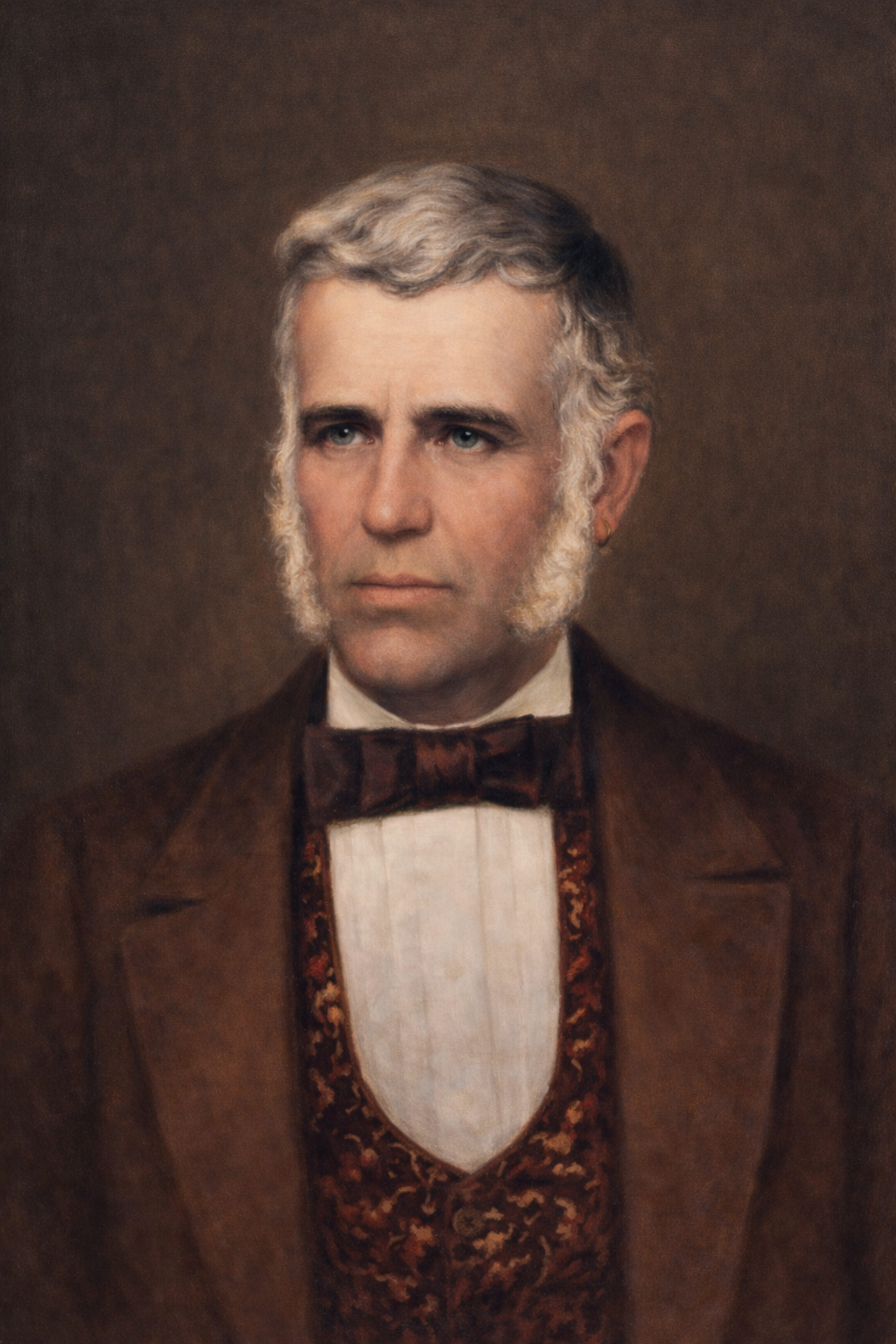
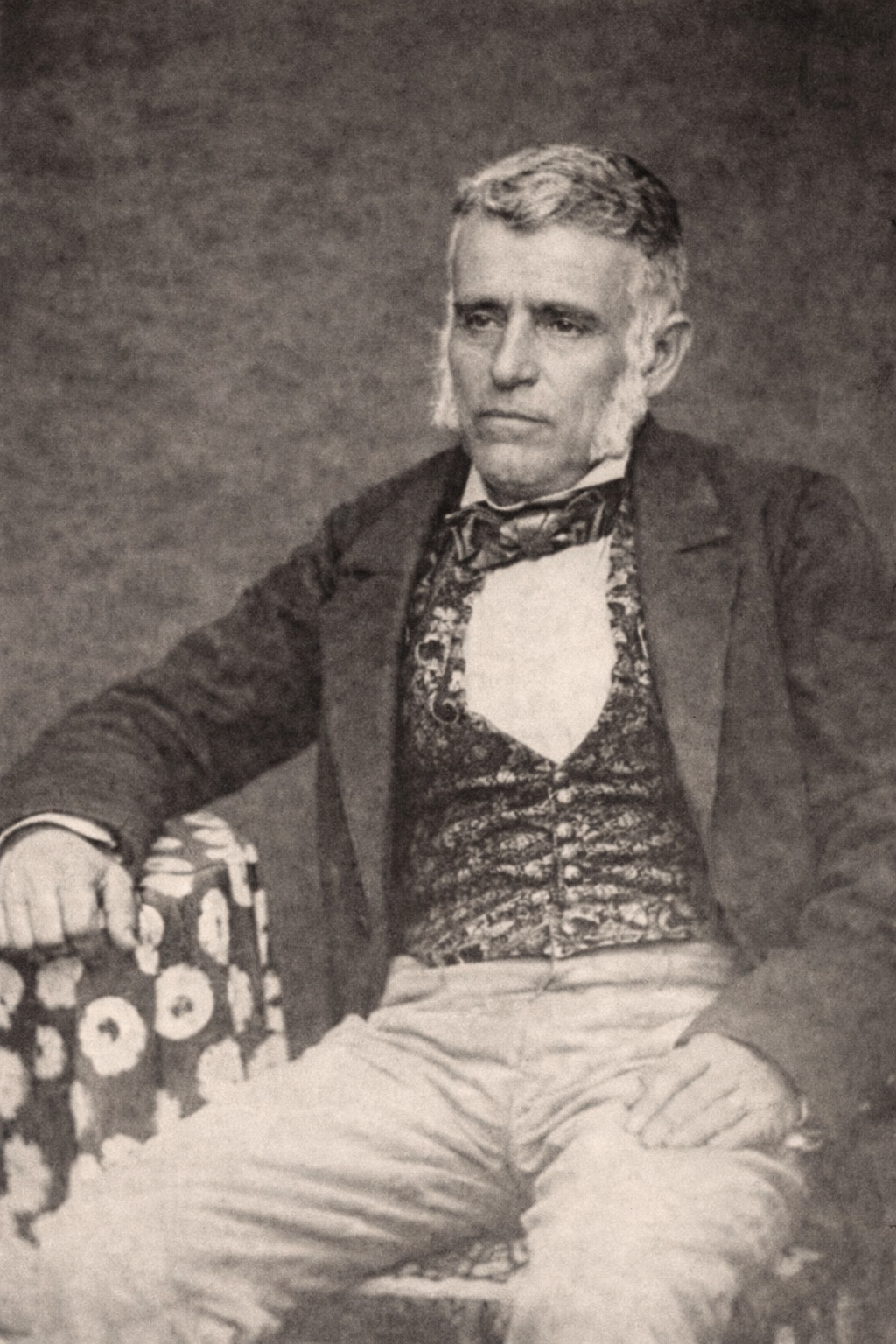
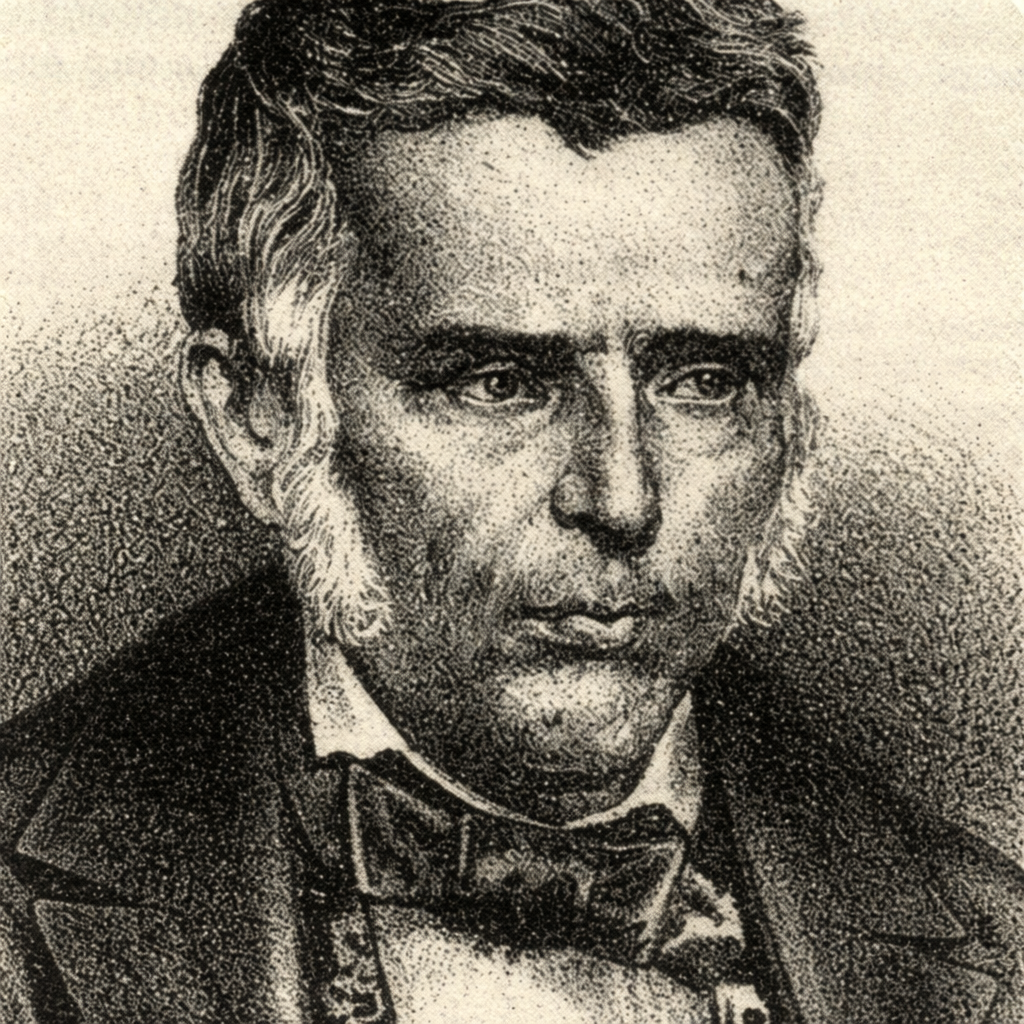
José María Chávez Alonso
Birth:
Death:
Occupation:
Printer, artisan, liberal, and martyr of the Free and Sovereign State of Aguascalientes
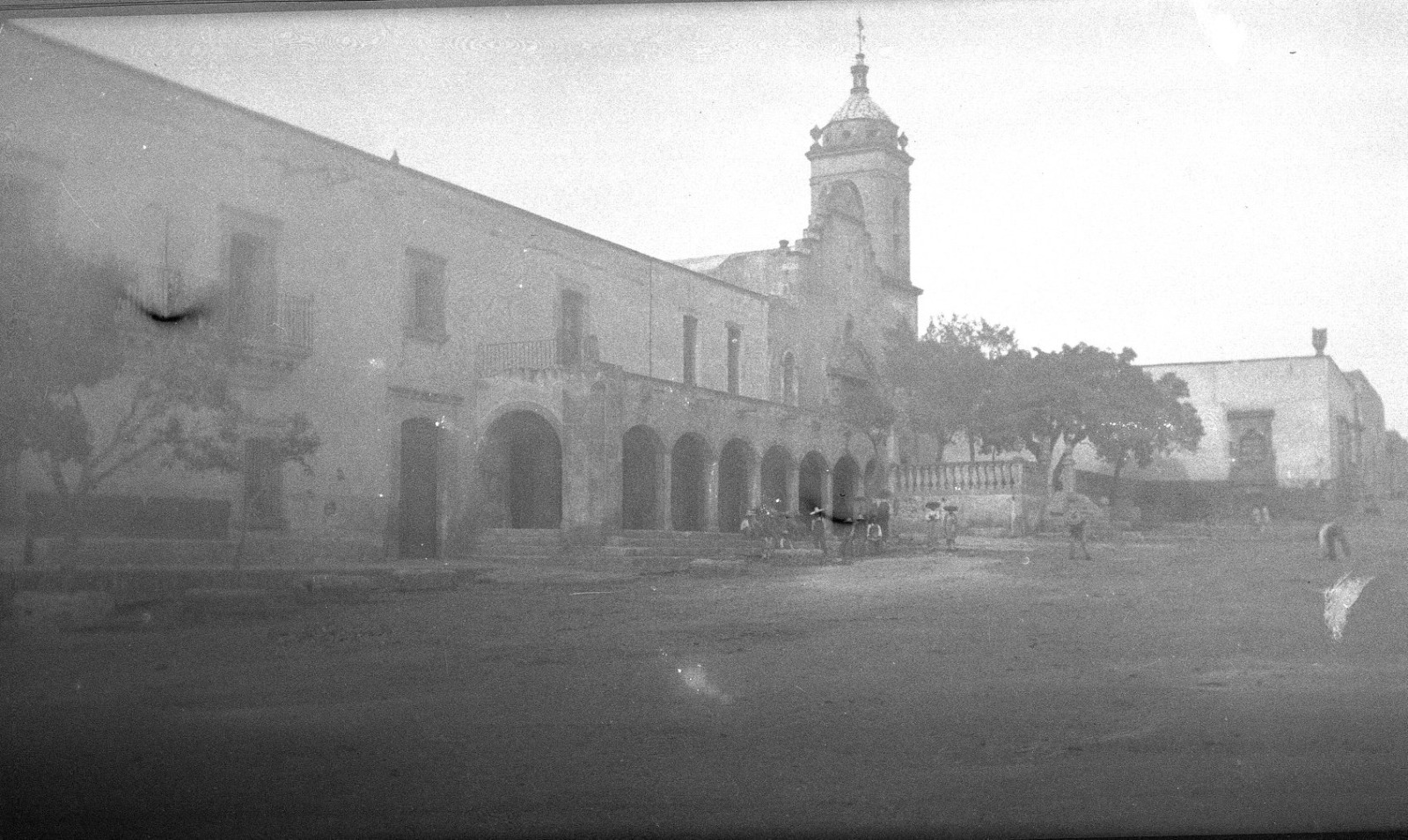
José María Chávez Alonso was born on February 26, 1812. While traditionally associated with the El Alamillo ranch, recent research by chronicler Alejandro Topete del Valle suggests his true birthplace was the El Palomito ranch, within the jurisdiction of Encarnación de Díaz, Jalisco. The son of Don José Francisco Chávez and Doña Victoria Alonso, he came from a family of farmers and artisans who, in 1818, decided to move to Aguascalientes. It was there that the young José María would spend his childhood, youth, and the vast majority of his public and productive life.
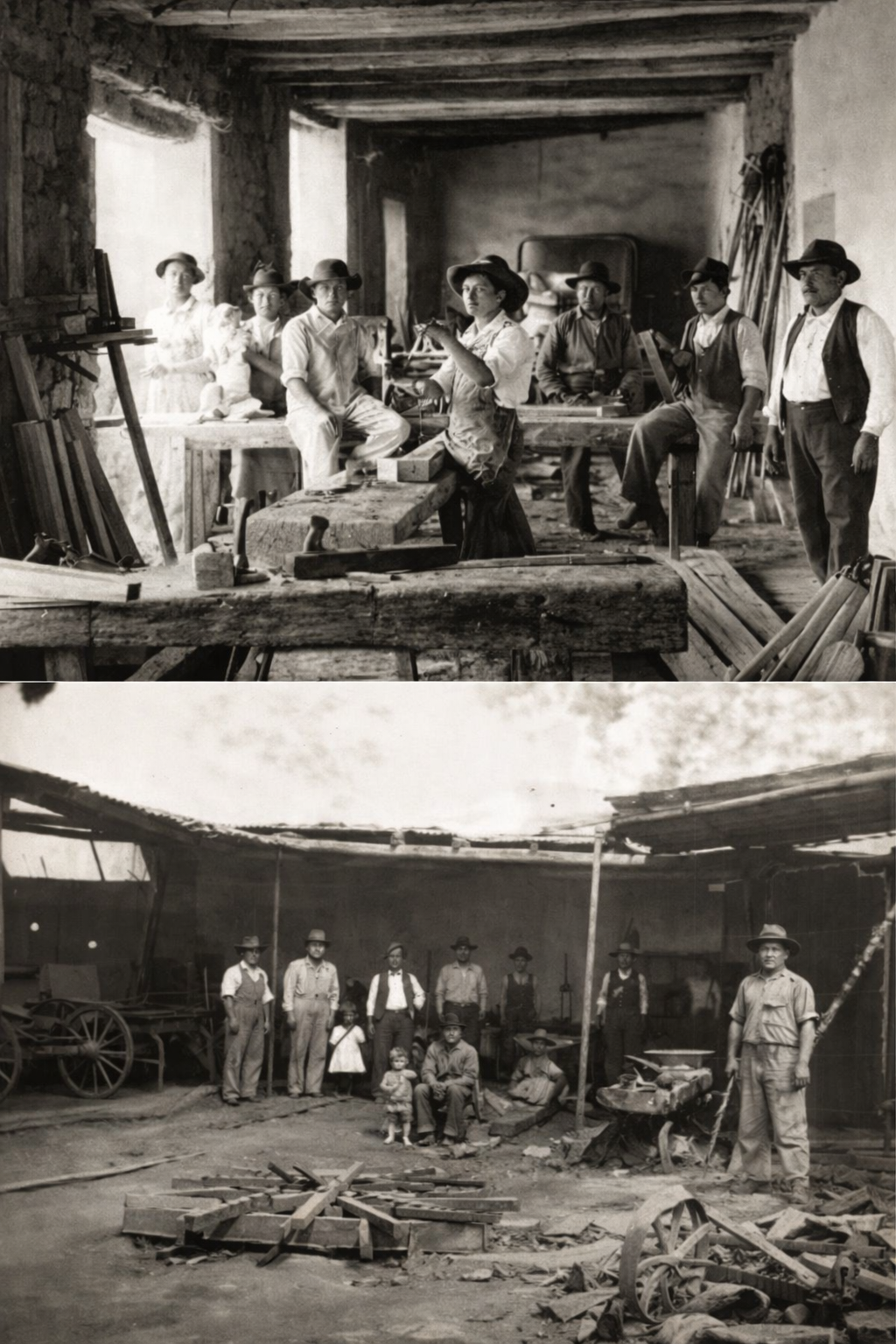
From the age of six, he began his primary studies. However, due to the lack of higher education institutions in Aguascalientes at the time, he chose—like his brother Ignacio—to learn a trade. He trained in family workshops and developed remarkable skills in carpentry, blacksmithing, and coachbuilding—skills that would soon become the foundation of his vocation as a creator and craftsman.
The Artisan and the Visionary Printer
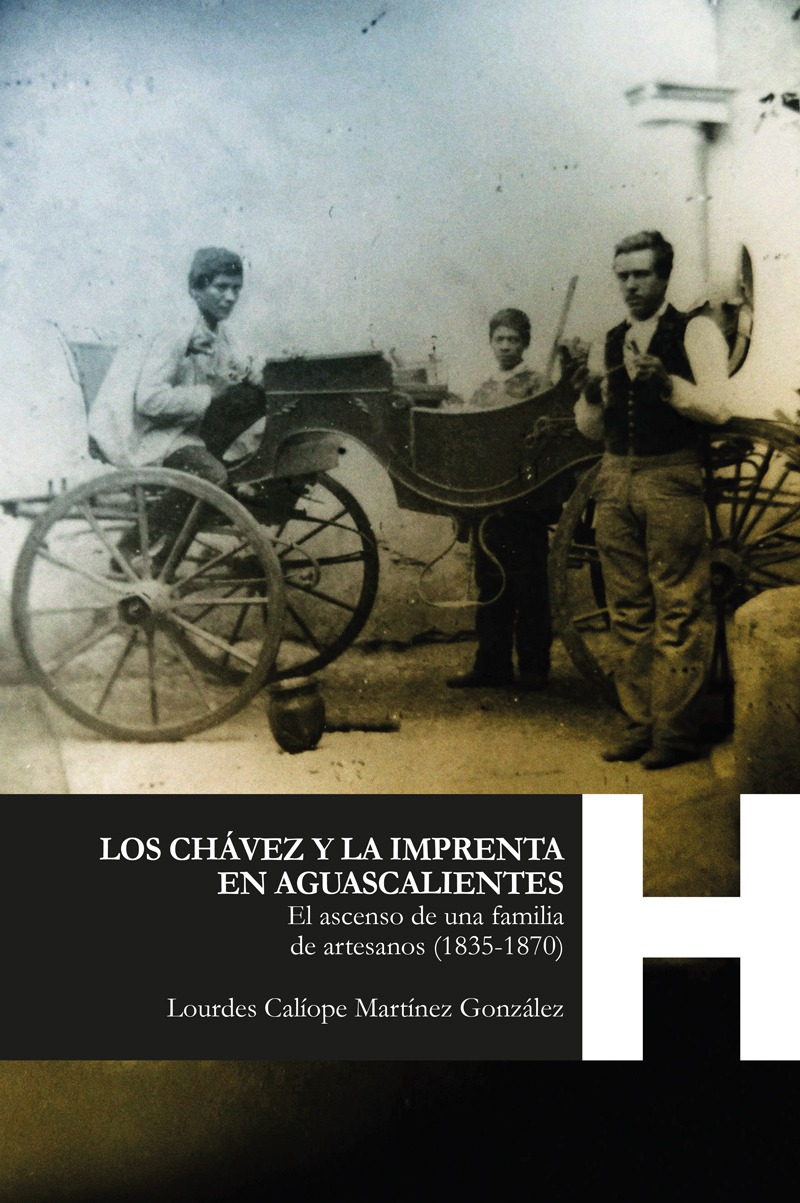
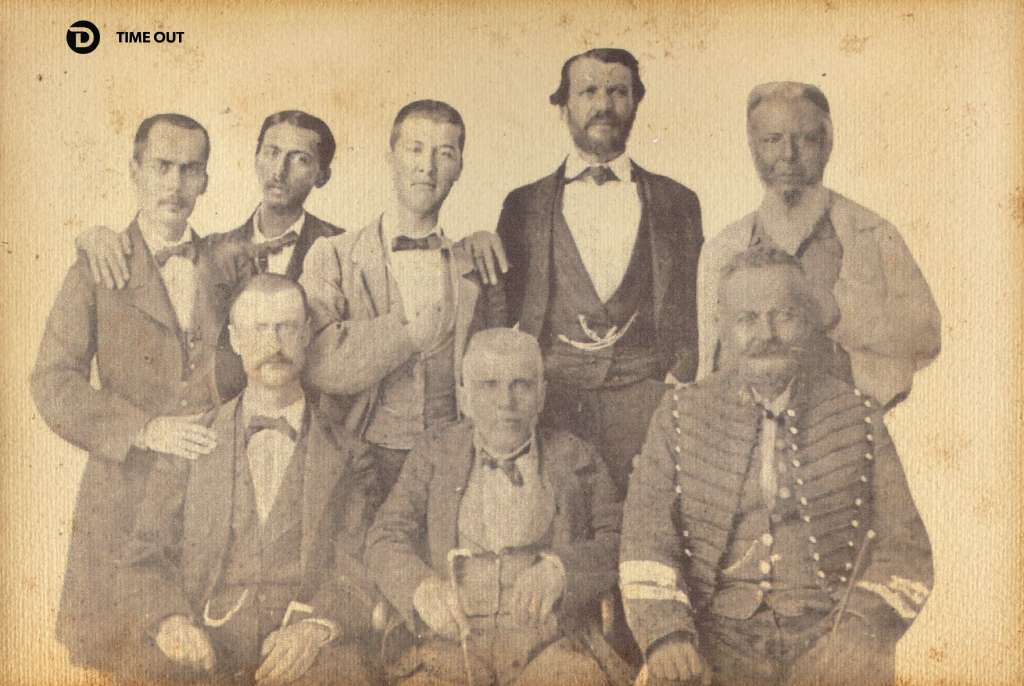
Throughout his life, José María Chávez energetically promoted the artisanal development of the region. He established an important coachbuilding workshop called "El Esfuerzo" (The Effort), located on Obrador Street (now José María Chávez Street). There, carriages and wagons were manufactured and repaired, and hydraulic pumps, bathtubs, piping, and fountains were built. But the workshop also housed a vaster world: a printing press and the first photographic studio in Aguascalientes, the latter directed by his son, Sóstenes Chávez.
His relationship with the graphic arts began very early. In 1835, along with his brother Pablo Nepomuceno, he founded the printing workshop "El Águila" (The Eagle), where the typographer and engraver Antonio Valadez worked—a key figure in the birth of the local graphic tradition. From then on, Chávez never abandoned the press: in 1847, he was appointed government printer and shortly after, he opened his own typography shop, which became the most important workshop in the state.
From his press were born essential newspapers for the intellectual and political life of the region, including:
•El Águila (1836).
•El Noticioso (1848).
•La Imitación (1850).
•El Artesano (1856).
•El Progresista (1858).
La Imitación was considered the state's first periodic literary publication, and El Artesano served as a dissemination organ for the Mutual Aid Association and the artisans' savings bank. In addition to editing political and literary texts, Chávez introduced lithography to Aguascalientes and printed books by authors such as Alexandre Dumas and Eugène Sue, convinced of the educational role that the arts and reading should play for the working classes.
Following the Reform War in 1859, he unified all the workshops under the name "El Esfuerzo", a symbol of the collective spirit of self-improvement that characterized his family. From this space emerged an entire generation of artisans and printers, including Trinidad Pedroza, a master of engravers and mentor to the famous José Guadalupe Posada.
The Liberal Politician and Defender of the State of Aguascalientes
Parallel to his artisanal work, José María Chávez developed an intense political career. A liberal militant from a young age, he shared his father's conviction to spread and defend republican and democratic ideas. He participated actively in the movement seeking the autonomy of Aguascalientes from Zacatecas and spoke out against the conservative dictatorship that had abolished the Constitution of 1824.
His political struggle was not merely intellectual. In 1839, he rose in arms, attacked the conservative barracks, and managed to take it, although he was subsequently captured and moved to Mexico City, where he remained imprisoned for a year.
During the U.S. Intervention (1846–1848), he founded a newspaper to keep patriotism alive in the region. Over time, he again opposed the re-incorporation of Aguascalientes into Zacatecas and once more led its defense.
In 1857, he served as a local deputy and participated in the promulgation of the First Political Constitution of the State of Aguascalientes, which adopted a "republican, representative, and popular" form of government.
He was appointed acting governor in 1859 and, after elections called by Ponciano Arriaga, was elected Constitutional Governor in 1862. From this position of responsibility, he faced the greatest challenge of his life: the French Intervention.
The Lancer Squadron and the Final Sacrifice
Due to the French invasion and the advance of the Imperial Army, José María Chávez organized the Escuadrón de Lanceros de Aguascalientes (Aguascalientes Lancer Squadron), formed by citizens defending the Republic. Chávez and his lancers faced the French troops at the Malpaso hacienda and, subsequently, in Jerez, where they were defeated.
Severely wounded, Chávez was taken prisoner and led to Zacatecas. There, a Council of War was formed, which sentenced him to death. Despite the pleas of numerous citizens from Aguascalientes and Zacatecas, the pardon arrived too late.
On April 5, 1864, José María Chávez was executed by firing squad at the Hacienda de Malpaso. A day earlier, he had written a letter to his wife, Néstora Pedroza, which still moves readers with its serenity and patriotism:
"I die for having attempted to defend the independence of my country; I do not believe I have committed a fault..."
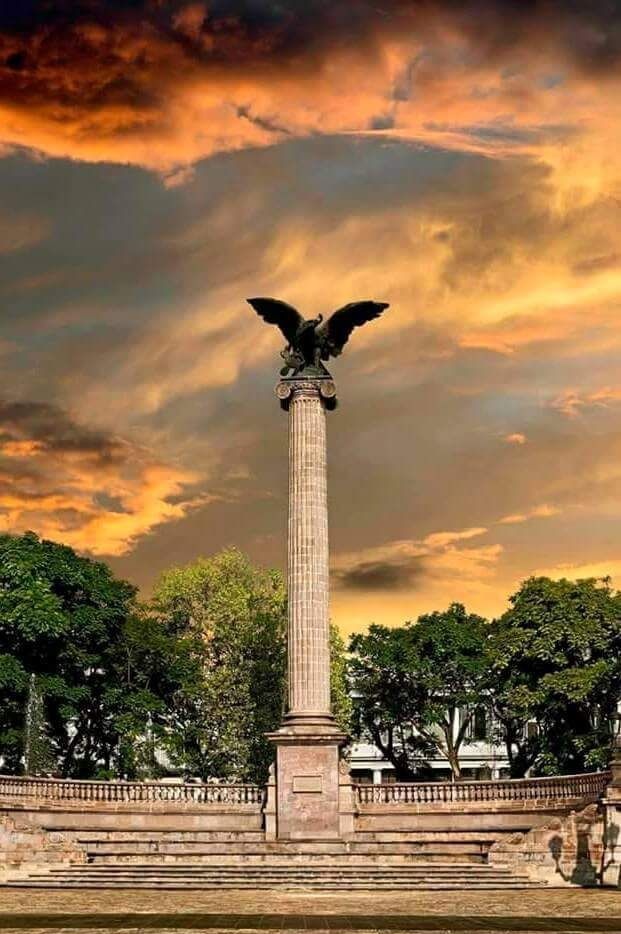
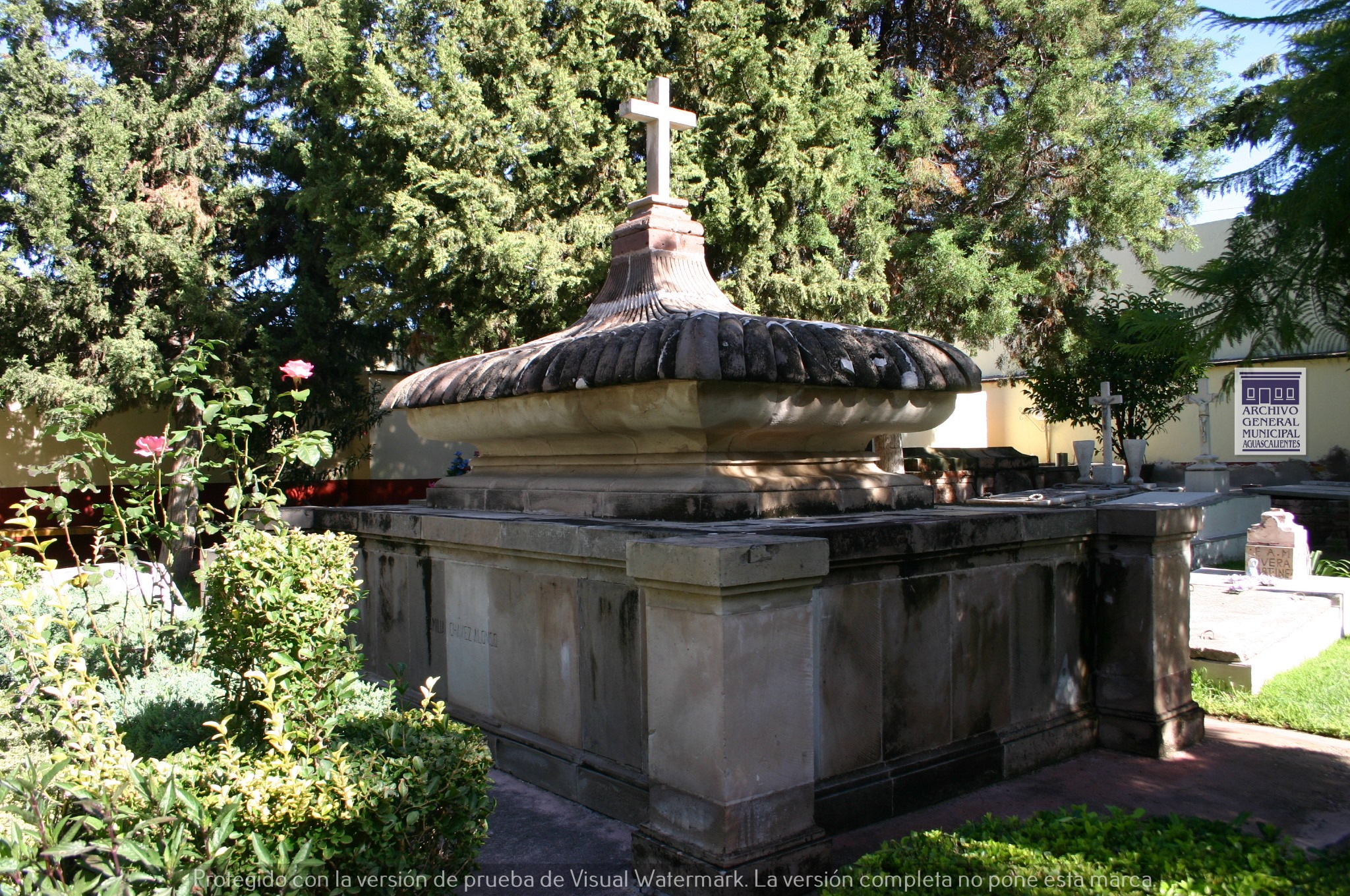
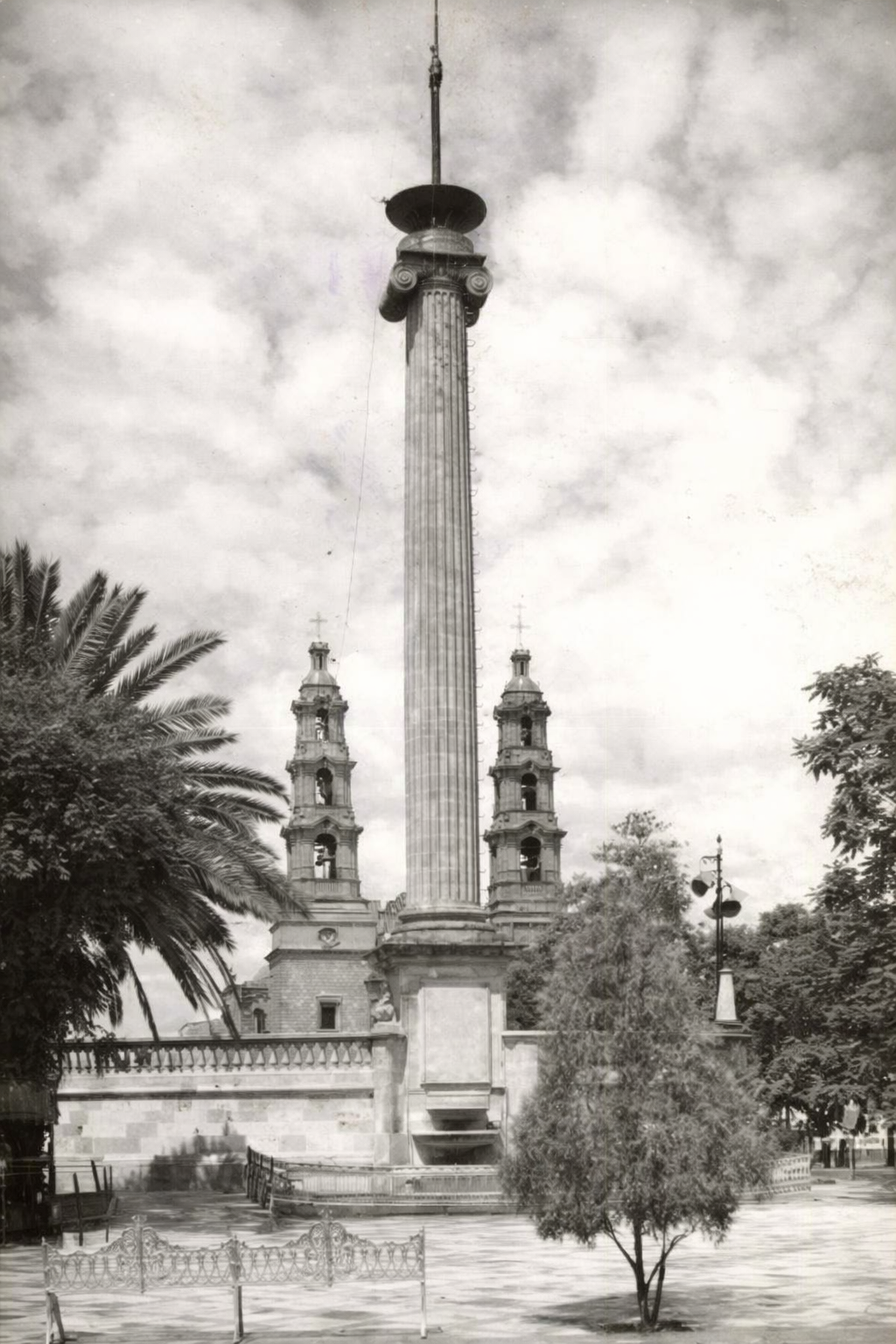
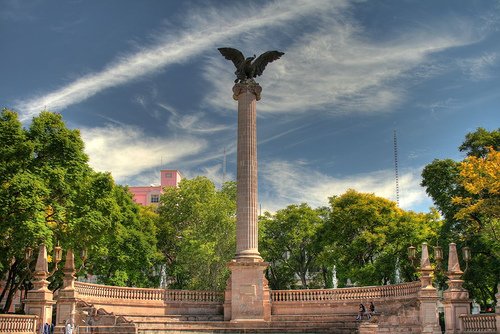
His remains were moved to Aguascalientes in October 1865 and first rested in the Panteón de la Cruz. On April 5, 1940, they were permanently interred in the column of el Panteón de la Cruz. El 5 de abril de 1940 fueron depositados de manera definitiva en la columna de the Plaza de la Patria, where the city honors him as the true creator of the Free and Sovereign State of Aguascalientes.
Legacy
The life of José María Chávez is a testament to work, talent, leadership, and a deep commitment to freedom. Artisan, printer, educator, typographer, defender of the state, and martyr of liberalism, his work marked the cultural, graphic, and political development of Aguascalientes. His family gave rise to a lineage of artists, musicians, printers, and thinkers—such as Jesús Fructuoso Contreras, Carlos Chávez, Ezequiel A. Chávez, Agustín Loera y Chávez, and Agustín Velázquez Chávez—who continued his legacy.
Today, his figure remains a symbol of integrity, effort, and love for the land he defended until his last breath.