La Cruz and Los Ángeles Cemetery
Location:
Schedule:
Phone:
449 918-70-32
Cost:
Pantheon of the Angels
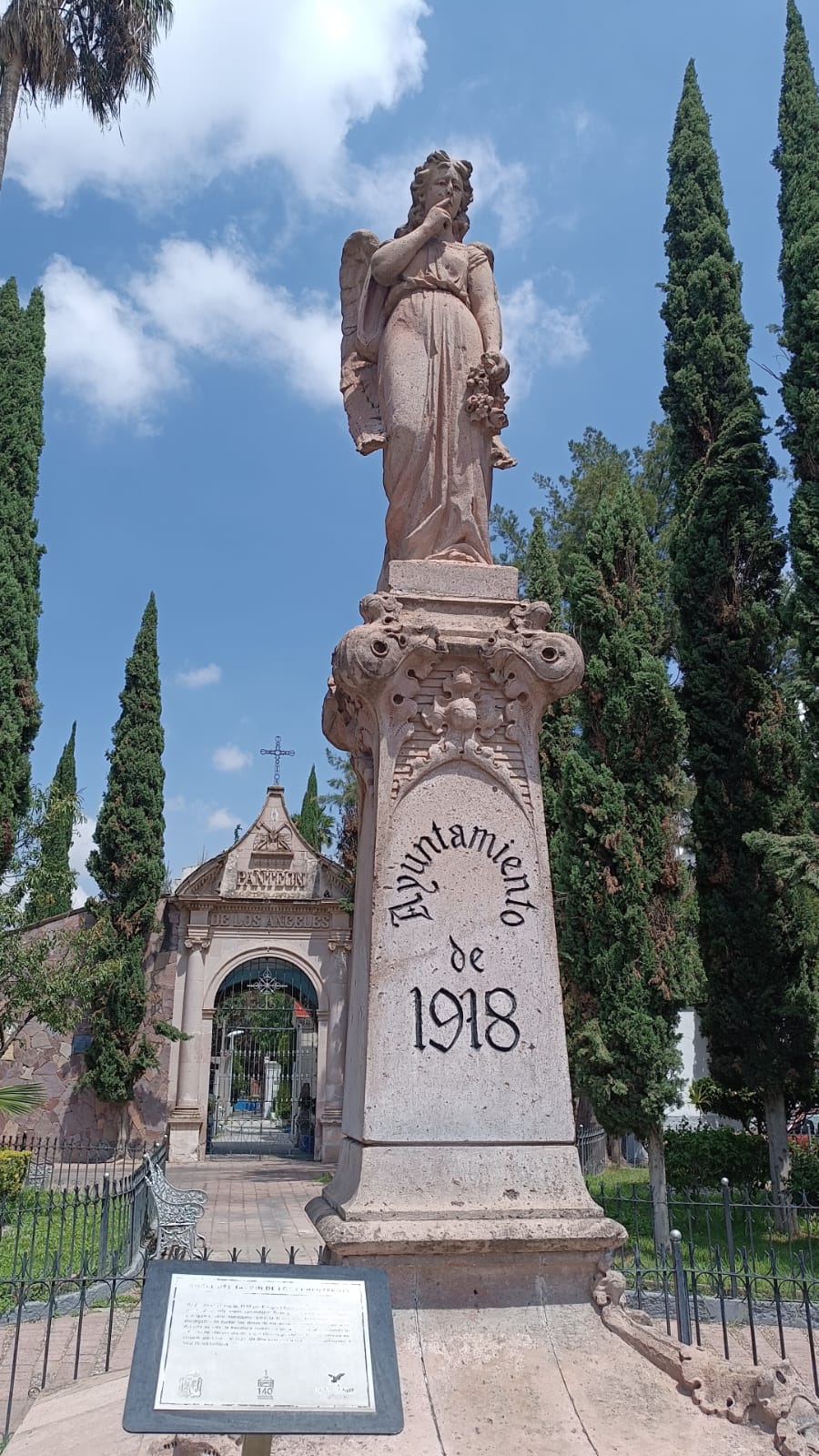
The Pantheon of the Angels was inaugurated on November 30, 1875, by Governor Ignacio T. Chávez. As early as 1854, efforts had begun to build a municipal pantheon that would meet the needs of the state and provide a dignified burial place and final resting place for the remains of its inhabitants.
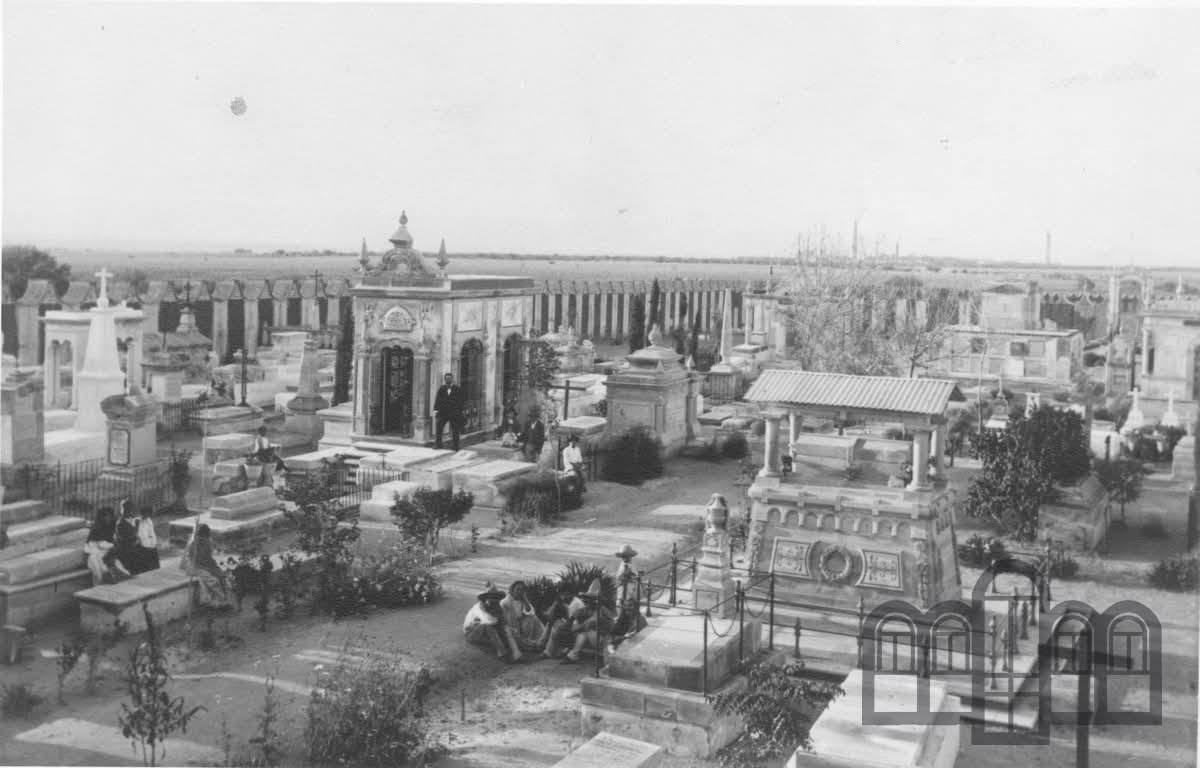
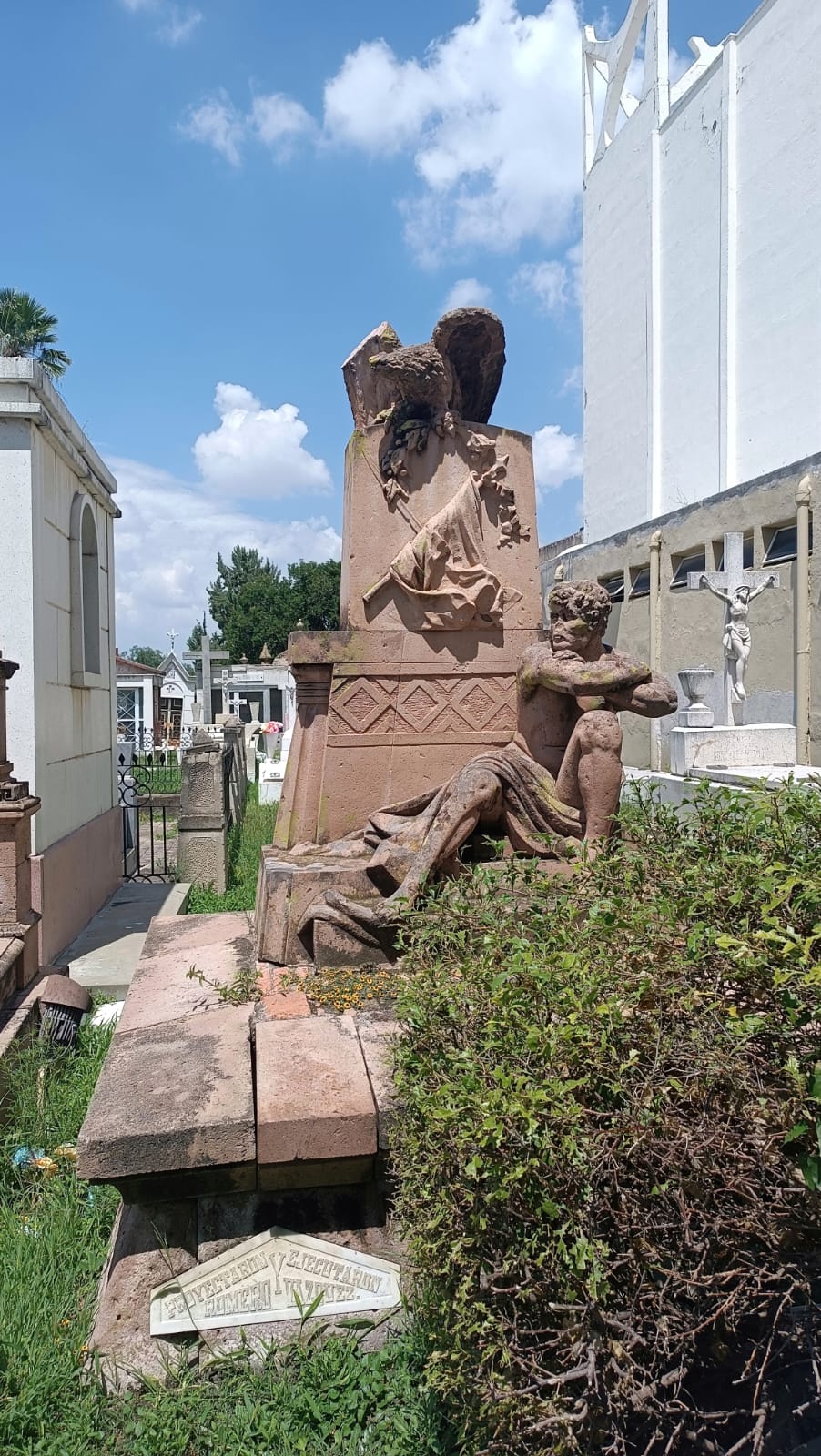
Among the most significant tombs in this pantheon are the obelisk of former U.S. ambassador to Mexico Martín Regul Pilón, who died in 1889; the mausoleum donated by Governor Carlos Sagredo to José Bolado, who was a partner in the construction of the Teatro Morelos and a great promoter of culture in the state; and the tomb of Colonel Juan Silva, who was executed by firing squad in this pantheon on the orders of General Francisco Villa, among other notable figures.
Also buried in this pantheon are the remains of Colonel Jesús Gómez Portugal, whose tomb had been almost completely covered by earth; however, it was not until 1999 that it was uncovered and its occupant identified. Another tomb located within this cemetery is that of J. Trinidad Pedroza, who was the first teacher of J. Guadalupe Posada.
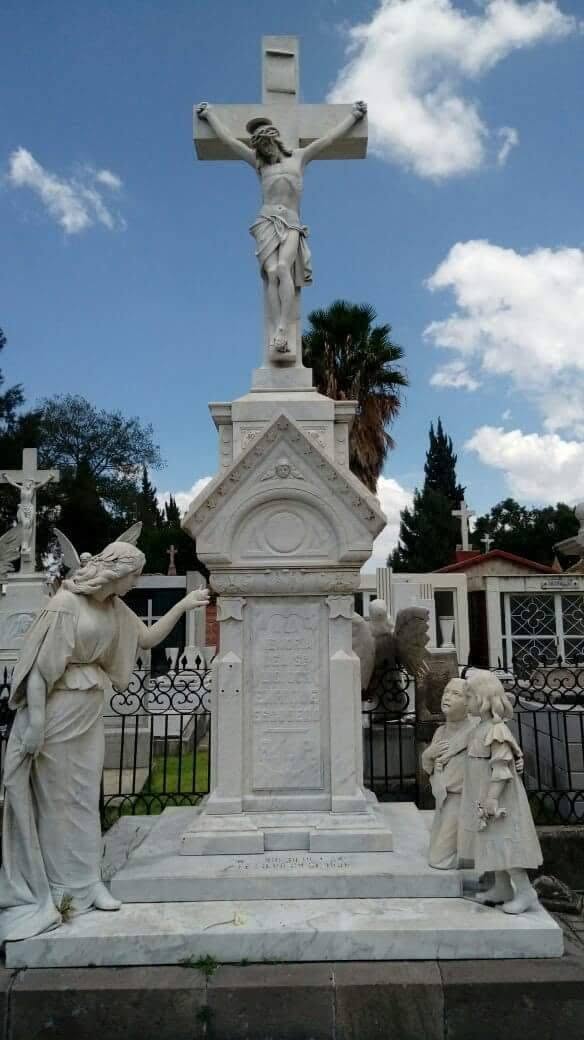
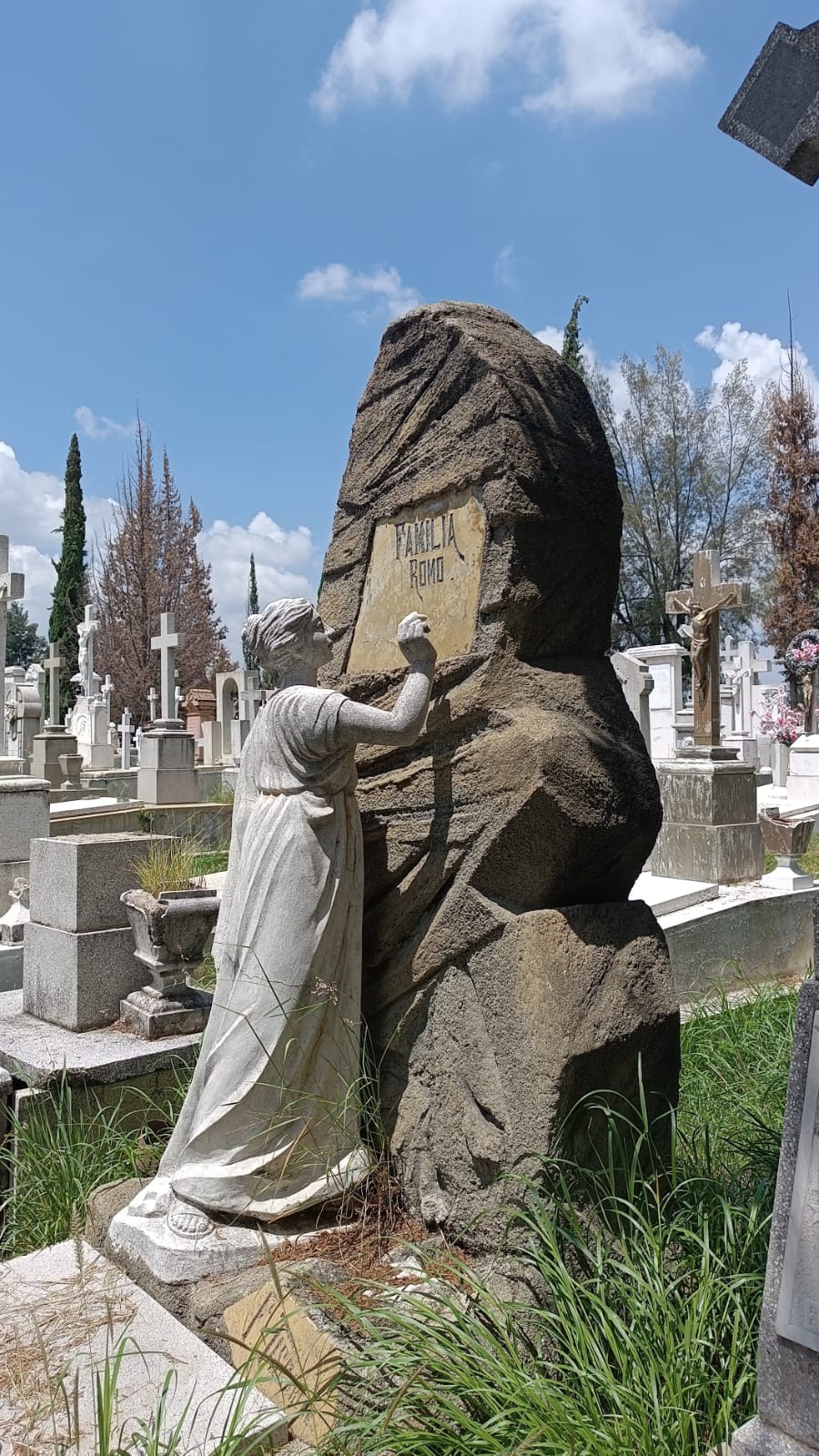
One of the most important sculptural treasures, as noted by Fernando de Jesús Esparza Ortiz in his book Dignificando nuestra última morada (Dignifying Our Final Resting Place), is a Carrara marble sculpture depicting two children standing before a woman who points toward the sky, symbolizing the separation from a loved one (Series 3, Grave 270). This Renaissance-style work was created in San Luis Potosí by the Biagi brothers.
Pantheon of the Cross
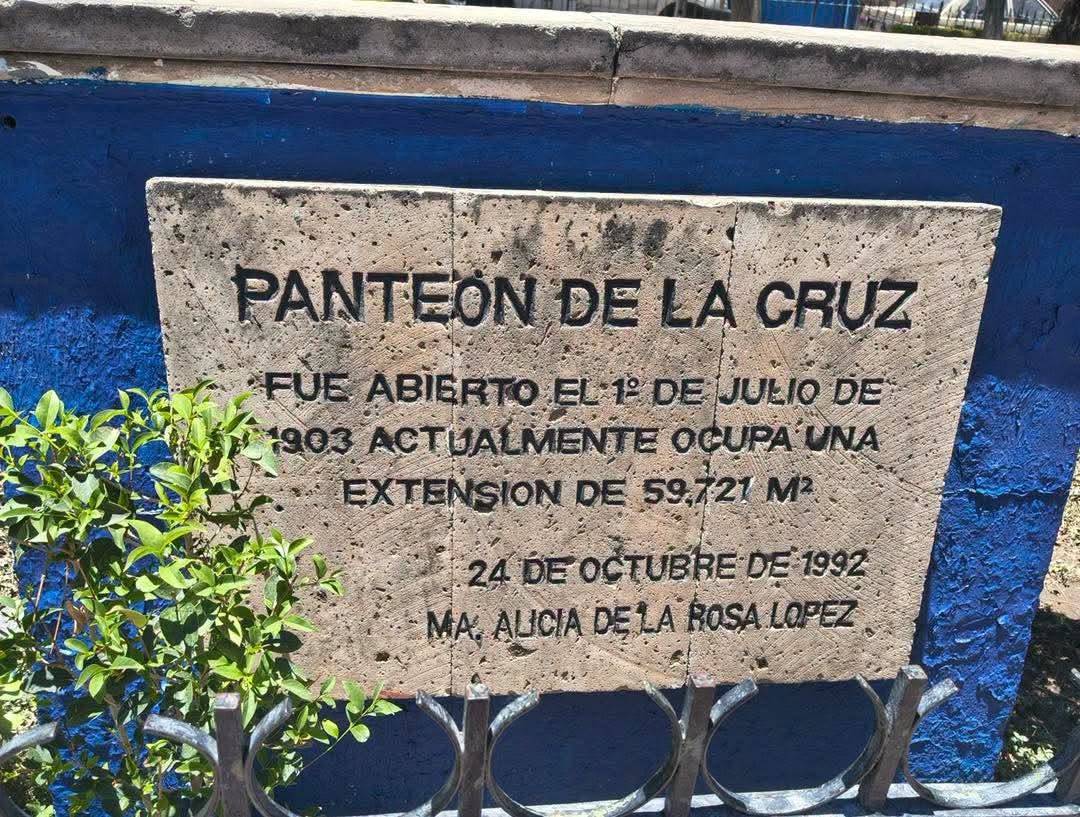
This pantheon began operating in 1903. It was designed by engineer Tomás Medina Ugarte and is one of the largest municipal pantheons in the state. Until 1950, funeral wakes were held in the homes of the deceased, whose bodies were placed in the main room of the house and surrounded by four candles and a small plate with an onion beneath the coffin. This practice was later replaced by funeral parlors.
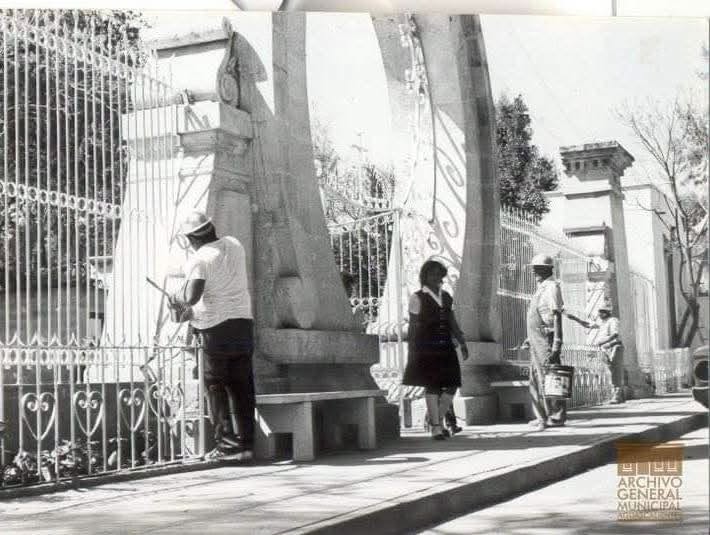
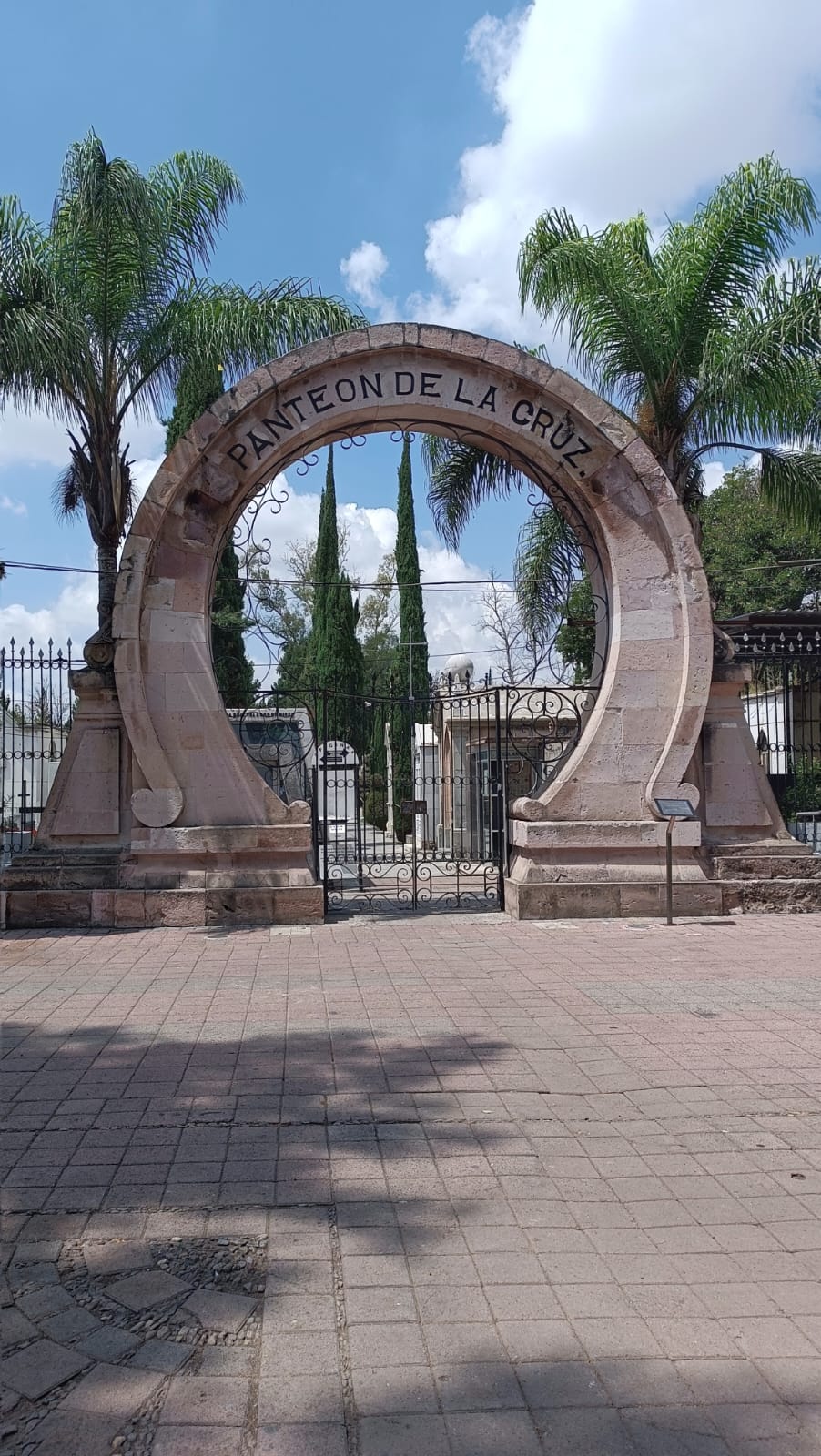
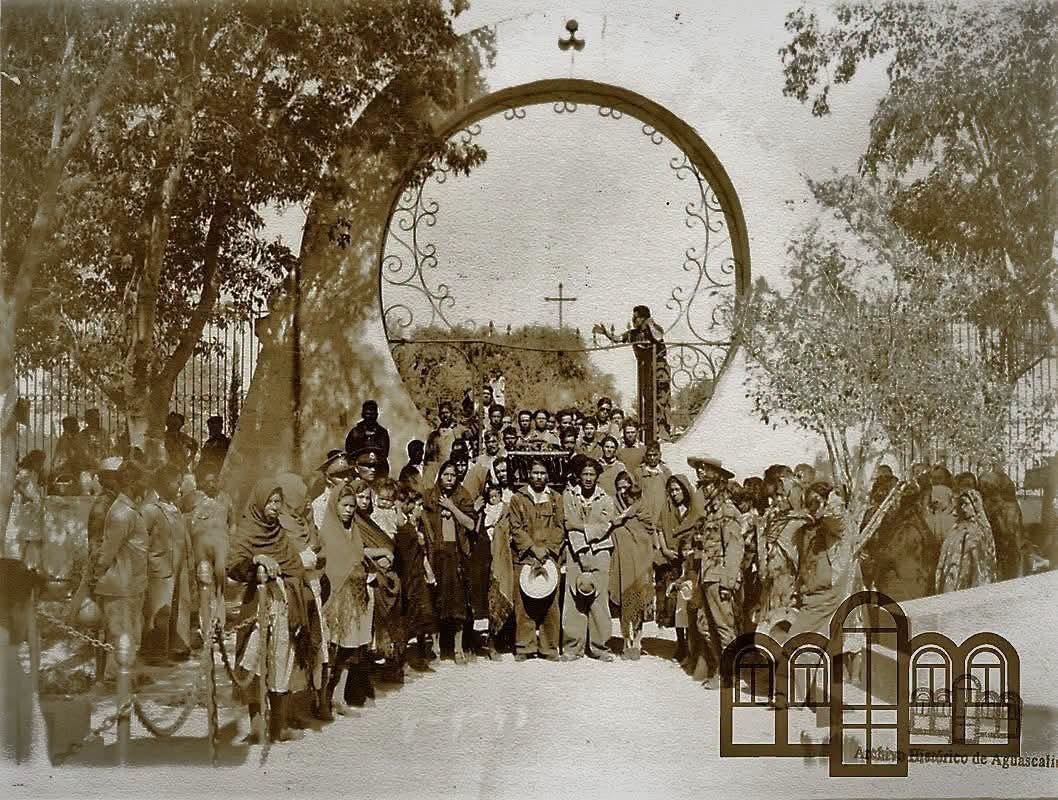
The main entrance, carved from quarry stone, is shaped like the Greek letter "Omega," the last letter of the Greek alphabet. It was designed by the renowned "architect without a degree," Refugio Reyes Rivas, and symbolizes the end of life's journey. It stands opposite the Temple of the Lord of the Rays, whose side entrance features the Greek letter "Alpha." Together, the two portals symbolize the omnipotence and omnipresence of God, who is the "Alpha and the Omega."
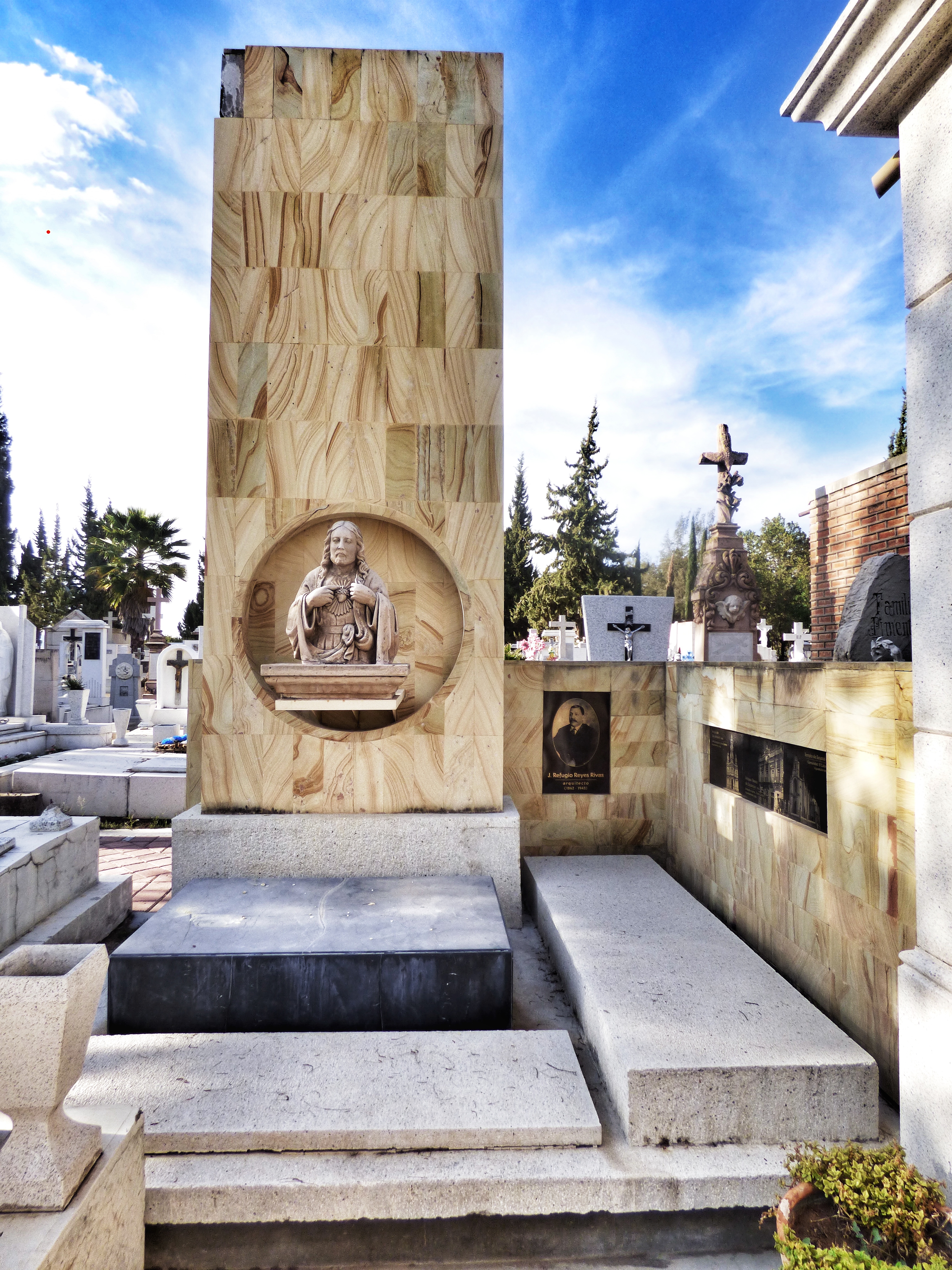
The remains of several notable figures rest in this pantheon, including Refugio Reyes Rivas himself, who designed the Sacred Heart monument where his wife's remains were buried first and, after his death on February 3, 1943, his own remains were laid to rest as well. His tomb is a yellow quarry-stone stele featuring architectural drawings, as well as the posthumous title of architect.
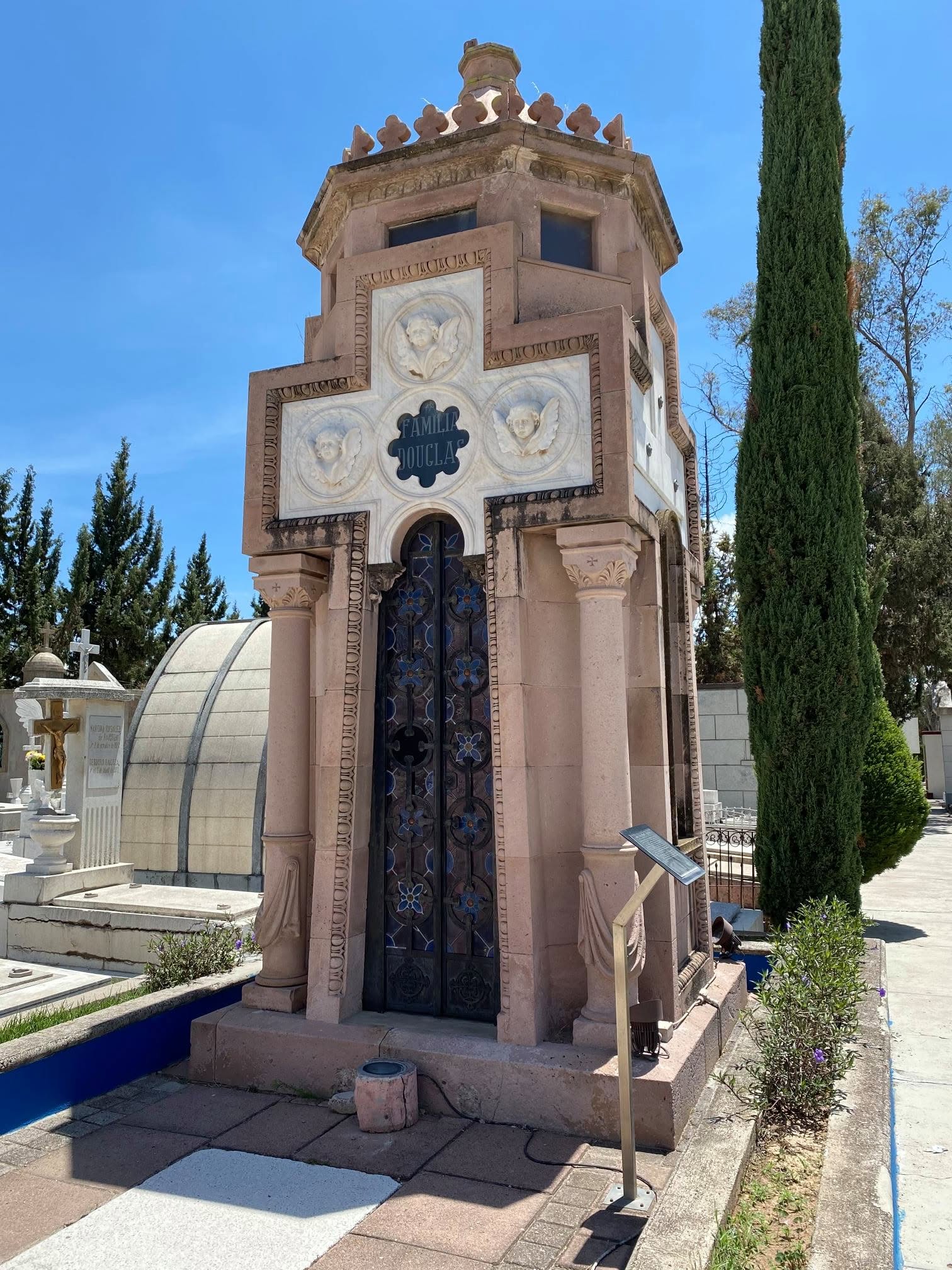
Other notable figures buried in this pantheon include Governor Edmundo Gámez Orozco, members of the Douglas family, and Don Manuel Carpio, who died in a plane crash in the State of Mexico, as well as those interred in the beautiful Mausoleum of the Veterans of the Revolution, built in March 1984. On its front is the inscription: "The homeland we have today cost one million lives and much blood," and its façade features the faces of Villa, Zapata, Carranza, and Madero.
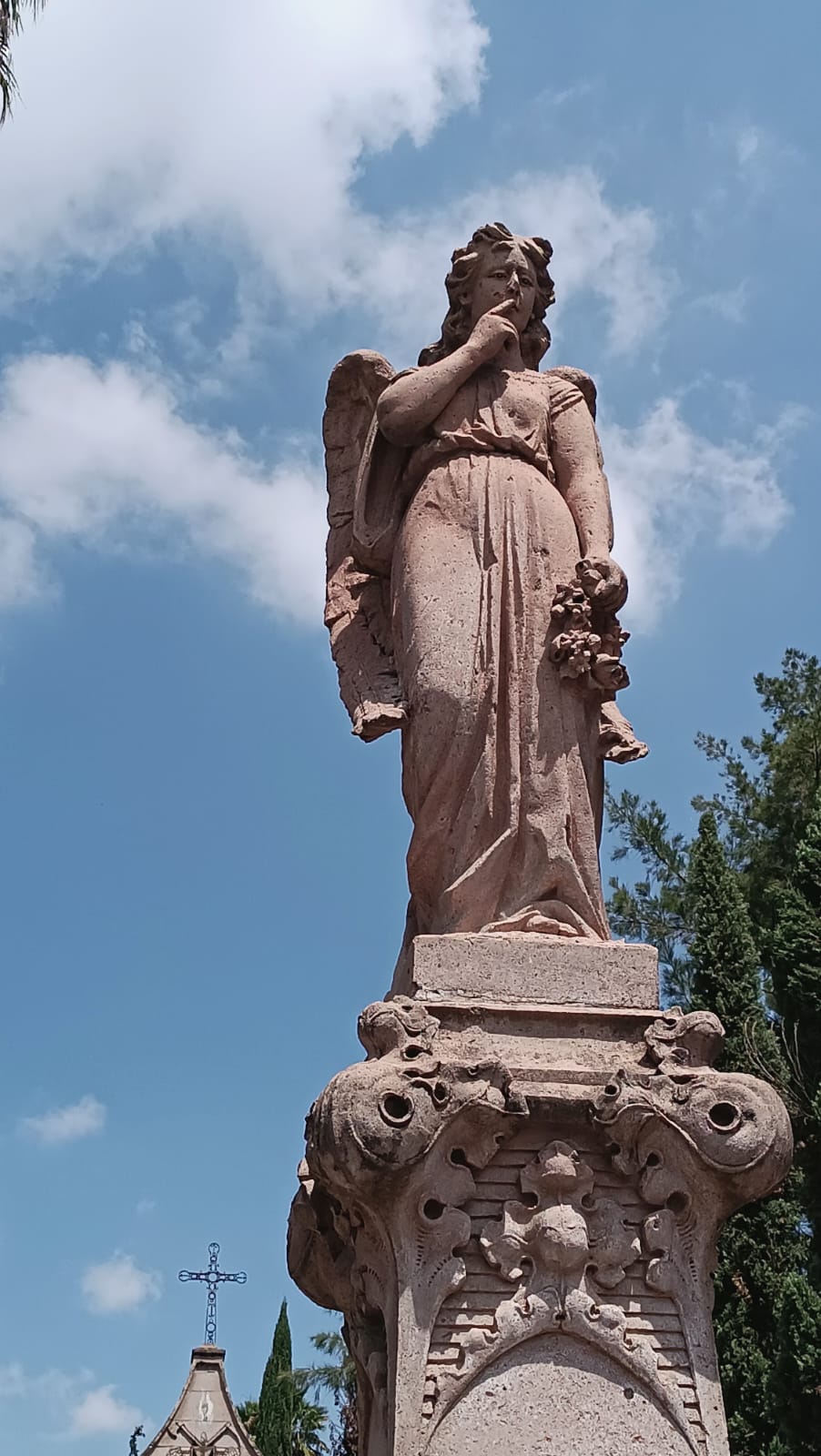
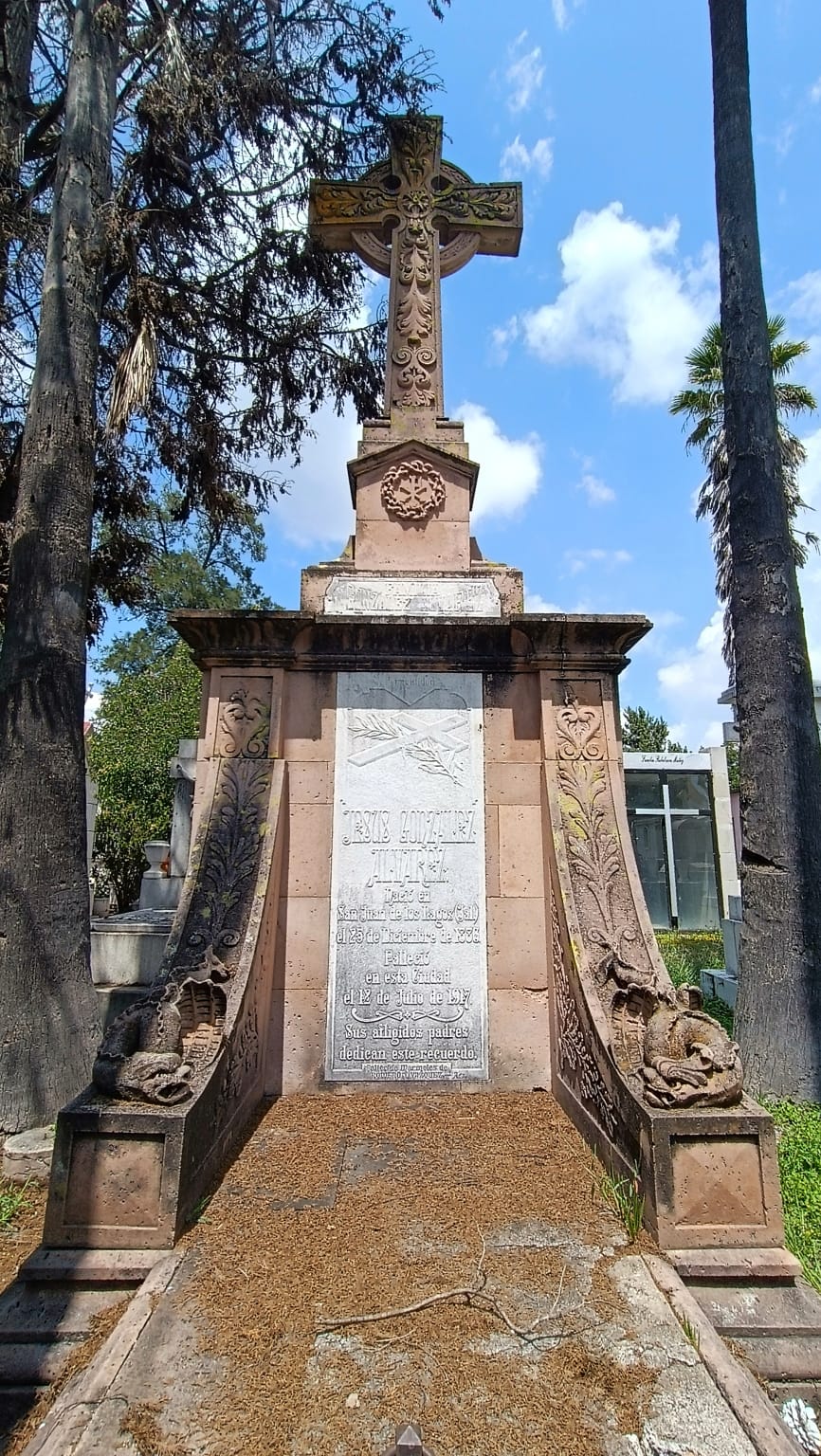
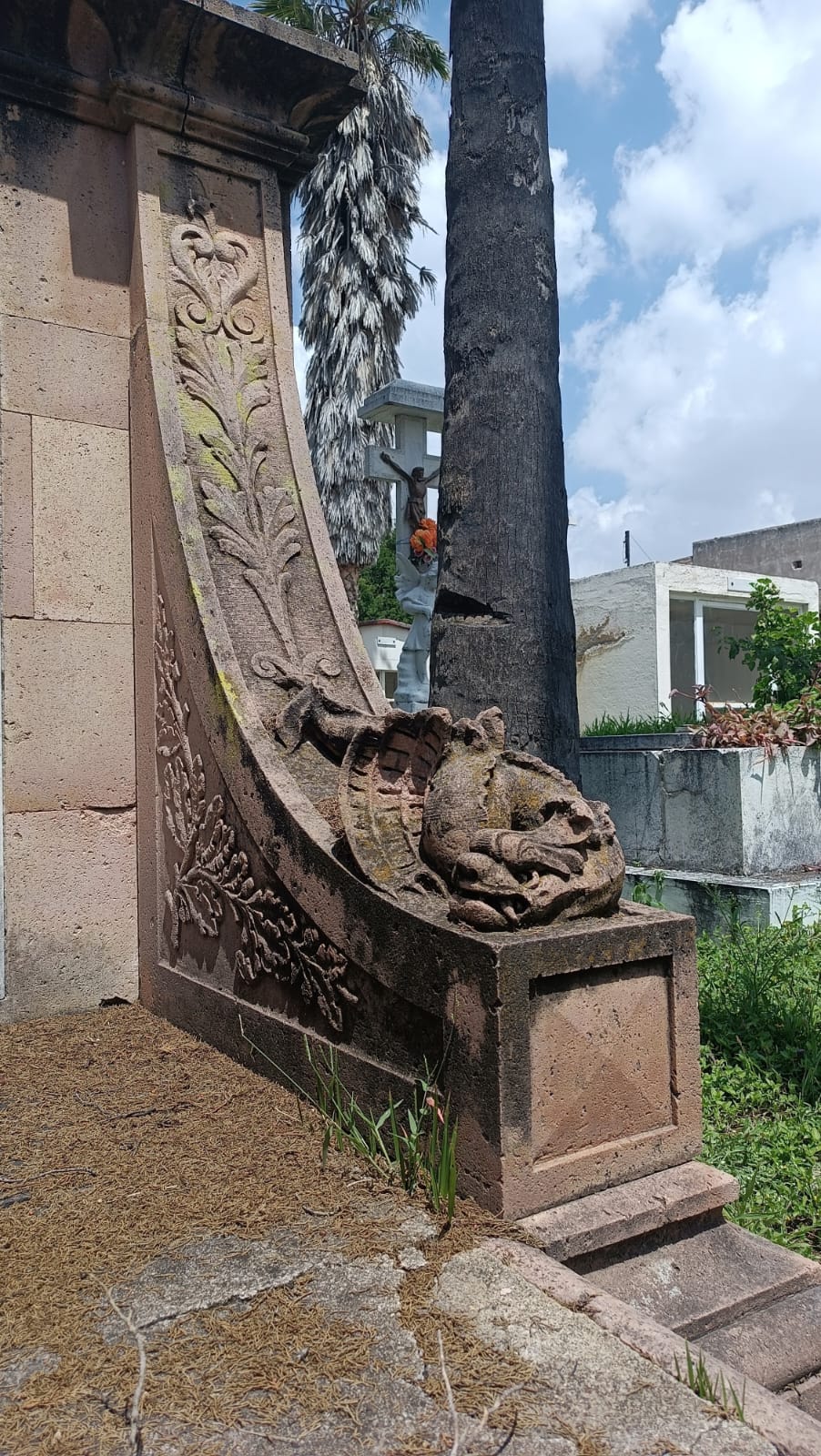
The two pantheons were eventually joined together and today form a single burial complex that houses one of the finest collections of funerary sculpture, and is regarded by many as an open-air museum.
Discover more about the annual Myths and Legends tours here.