Ezequiel A. Chávez
Birth:
Death:
Occupation:
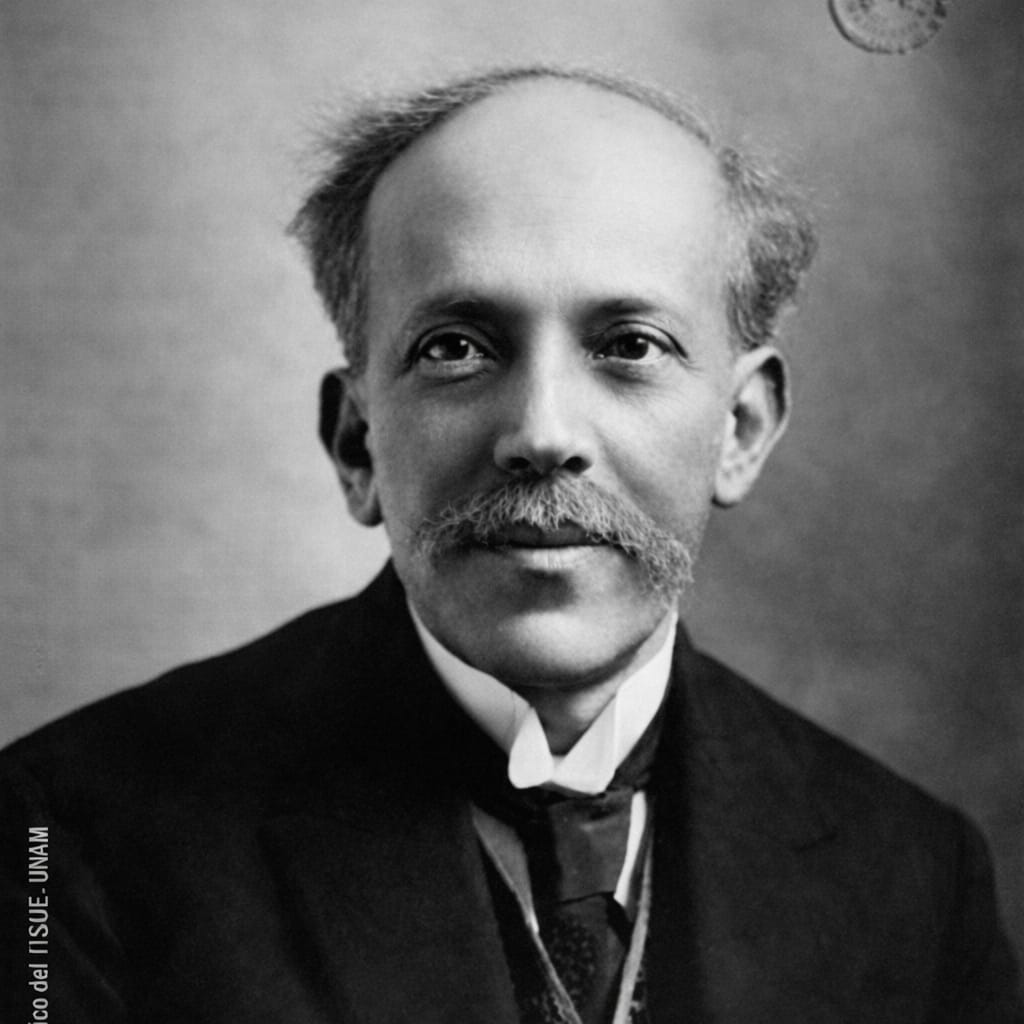
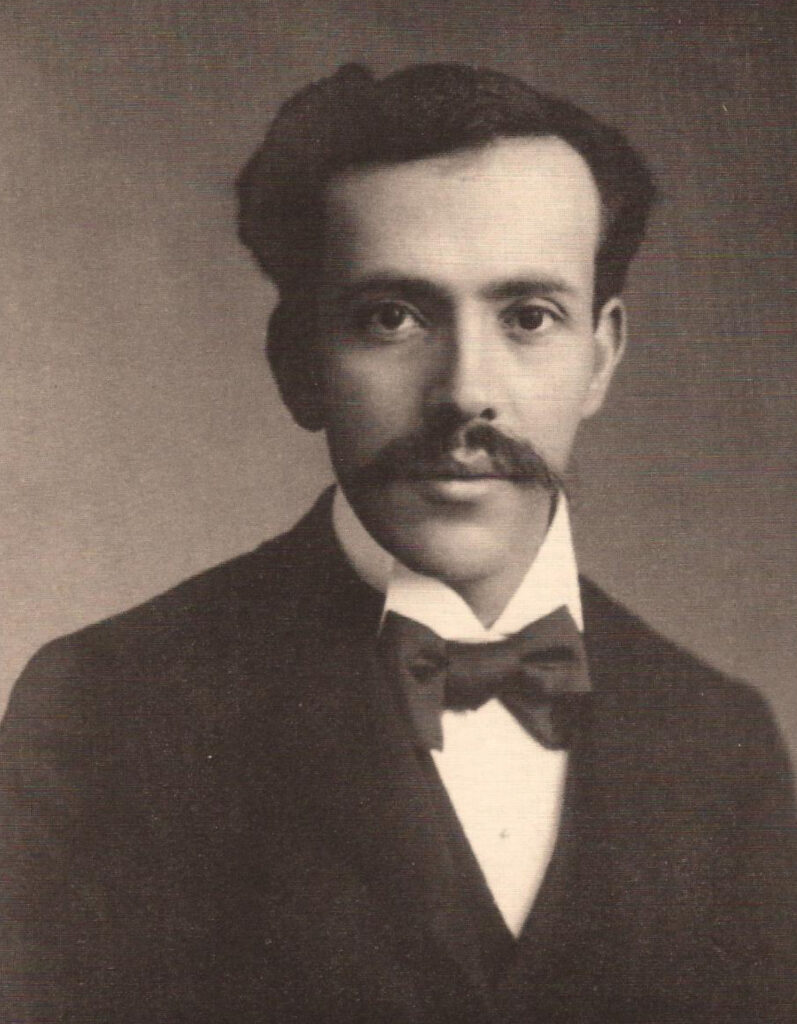
He was one of the most influential figures in the construction of the modern educational system in Mexico. A lawyer, philosopher, teacher, legislator, and tireless reformer, he dedicated more than half a century to studying, teaching, and transforming national education, leaving behind an institutional legacy that endures to this day.
Born into a family dedicated to public service—his father, the physician Ignacio Toribio Chávez, was the director of the Preparatory College of Aguascalientes and governor of the state—Ezequiel grew up surrounded by books, intellectual discussion, and a deep sense of social responsibility. That atmosphere shaped a restless young man eager for knowledge, who by age 19 was already preparing to pursue higher studies in Mexico City.
At 19, he moved to the capital to study at the Anglo-Franco-Mexican Institute, and shortly after, he entered the National Preparatory School (Escuela Nacional Preparatoria), finally continuing at the School of Jurisprudence. There, he was a student of prominent figures of the time, such as José María Vigil and Ignacio Manuel Altamirano. He graduated as a lawyer in 1891 with the thesis Political Institutions, a work that already announced his interest in State structures and the role of education in public life.
His teaching and administrative career began very early. In 1895, he presented an ambitious project to Minister Joaquín Baranda to reorganize primary and secondary education in the country. This work led to a new Curriculum for the National Preparatory School, which introduced innovative subjects such as Logic, based on John Stuart Mill, and strengthened a moral focus inspired by Herbert Spencer. His pedagogical vision moved away from dominant positivism and sought to build an integral, critical, and humanistic education.
From then on, Chávez became a key piece in the Ministry of Justice and Public Instruction and later, in the Undersecretariat of Instruction under the leadership of Justo Sierra. At Sierra's request, he toured American universities to design the structure of the future National University. A fundamental part of the constitutive law approved in 1910 was drafted by him, making him one of the intellectual architects of the current National Autonomous University of Mexico (UNAM).
His university career was vast: director of the National Preparatory School, director of the National School of Higher Studies (today the Faculty of Philosophy and Letters), and Rector of the National University on two occasions. His first rectorate, in 1913–1914, was marked by the complex political situation under the government of Victoriano Huerta; the second, in 1923–1924, coincided with a renewed effort to promote university autonomy, a cause to which he dedicated years of study, debate, and writing.
During the Mexican Revolution, he participated as a deputy in the Congress of the Union, where he promoted innovative policies: free breakfasts for students with limited resources, pensions for education workers, and support for scientific research. His defense of academic freedom and his critical stance regarding constitutional modifications to education led him to temporary self-exile in the United States, where he taught Mexican history and literature at the University of Cincinnati.
A prolific intellectual, Ezequiel A. Chávez published essays on philosophy, psychology, education, and history; he deeply analyzed the work of Sor Juana Inés de la Cruz; and he reflected tirelessly on the moral formation of the individual. His thought, profoundly influenced by Descartes, Stuart Mill and Spencer, was characterized by a spiritual vision of knowledge, optimism regarding human capacities, and a firm defense of free will. He believed in intuition as a legitimate source for understanding the world and developed an original classification of twelve types of intuitions that connect the human mind with the transcendent.
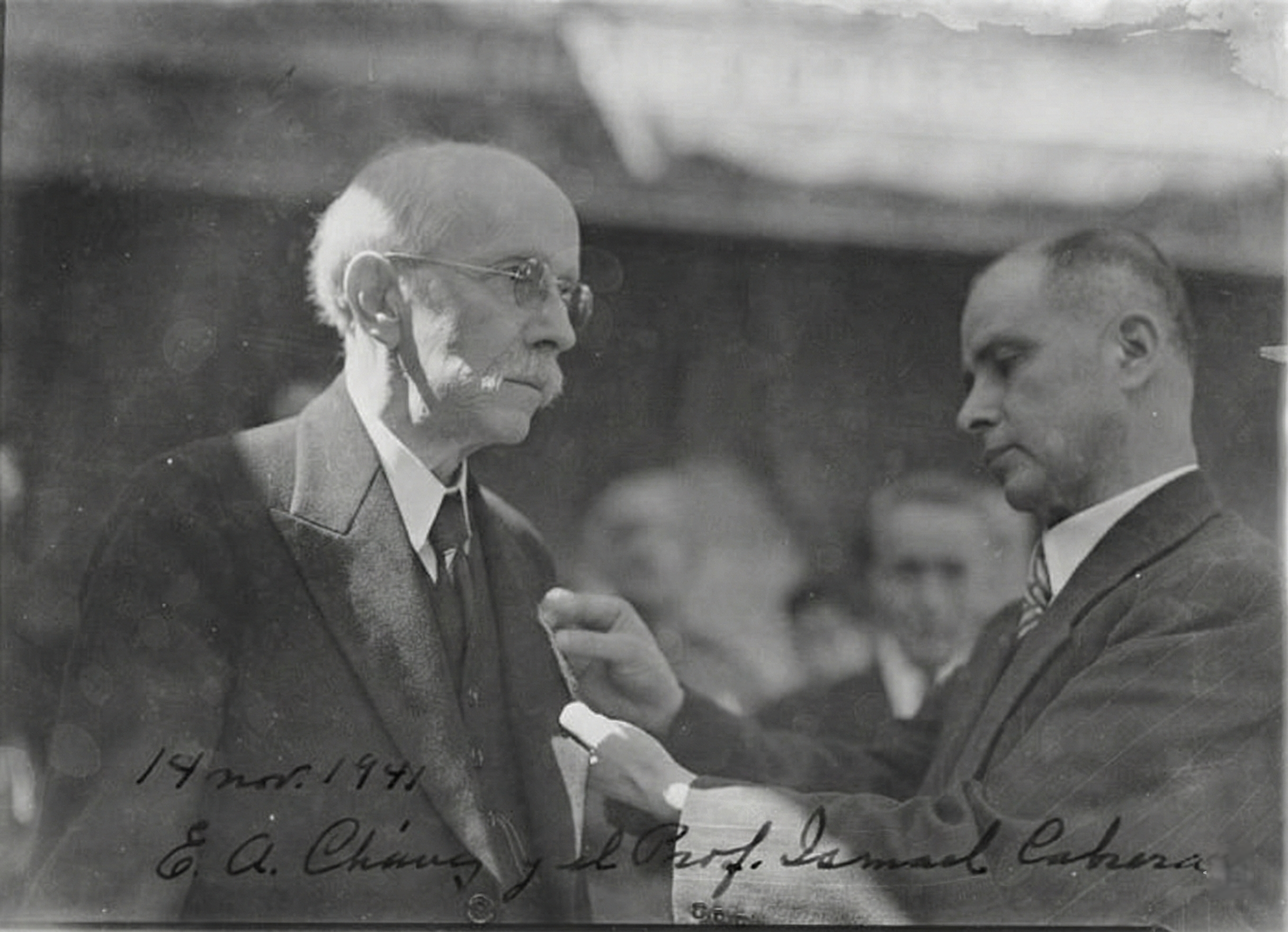
His intellectual prestige led him to hold seats in the Mexican Academy of Language, the Mexican Academy of History and other institutions of great cultural relevance. He was a founder of El Colegio Nacional in 1943 and received distinctions from foreign governments and institutions, such as France, Belgium, and Austria. In 1941, UNAM named him "Teacher of the Youth of America" (Maestro de la Juventud de América), a recognition driven by generations of students who saw in him the ideal educator: firm, sensitive, visionary, and deeply committed.
In addition to his academic works, Chávez cultivated interests as diverse as children's music and archaeology. He founded the International School of Archaeology and Ethnography, composed songs for children, and participated actively in national and international scientific societies.
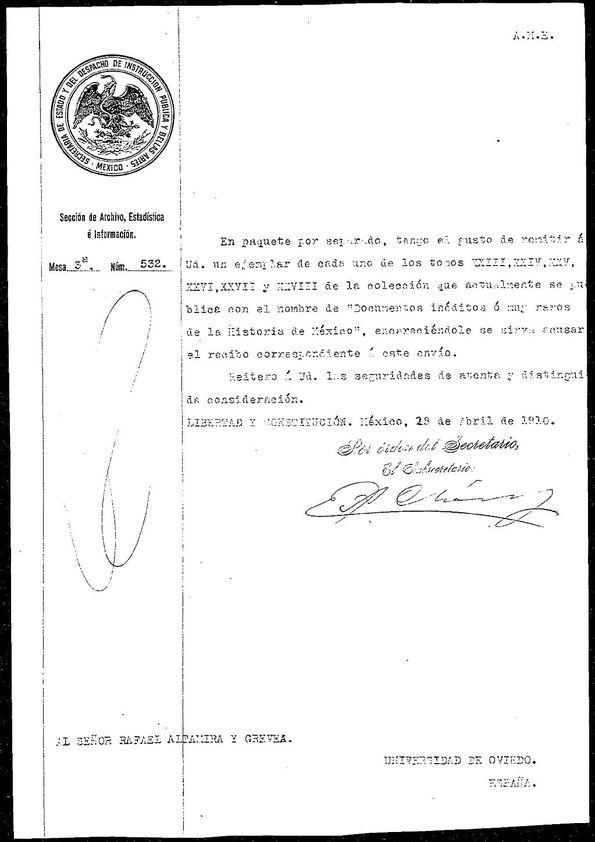
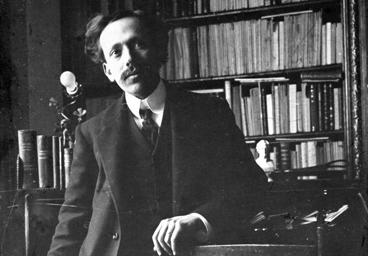
His personal archive—more than 3,000 photographs and 159 boxes of documents—was donated in 1967 to UNAM, where it continues to be an invaluable source for researchers of the history of education in Mexico.
Ezequiel A. Chávez died on December 2, 1946, leaving behind a monumental body of work. His thought, his reforms, and his institutions continue to mark the intellectual life of the country. His legacy is that of a teacher who dedicated his entire spirit to education and the cultural destiny of Mexico.