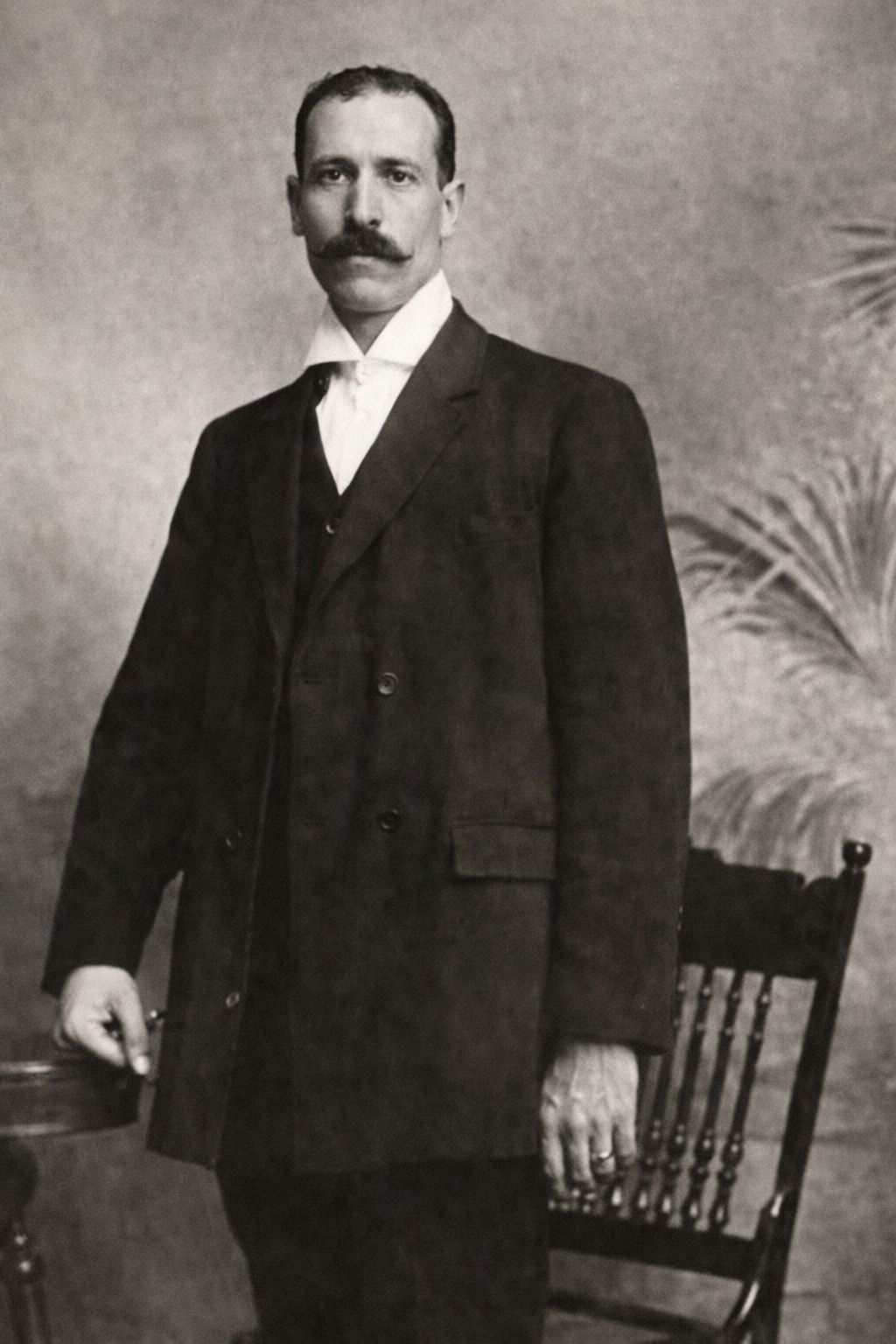
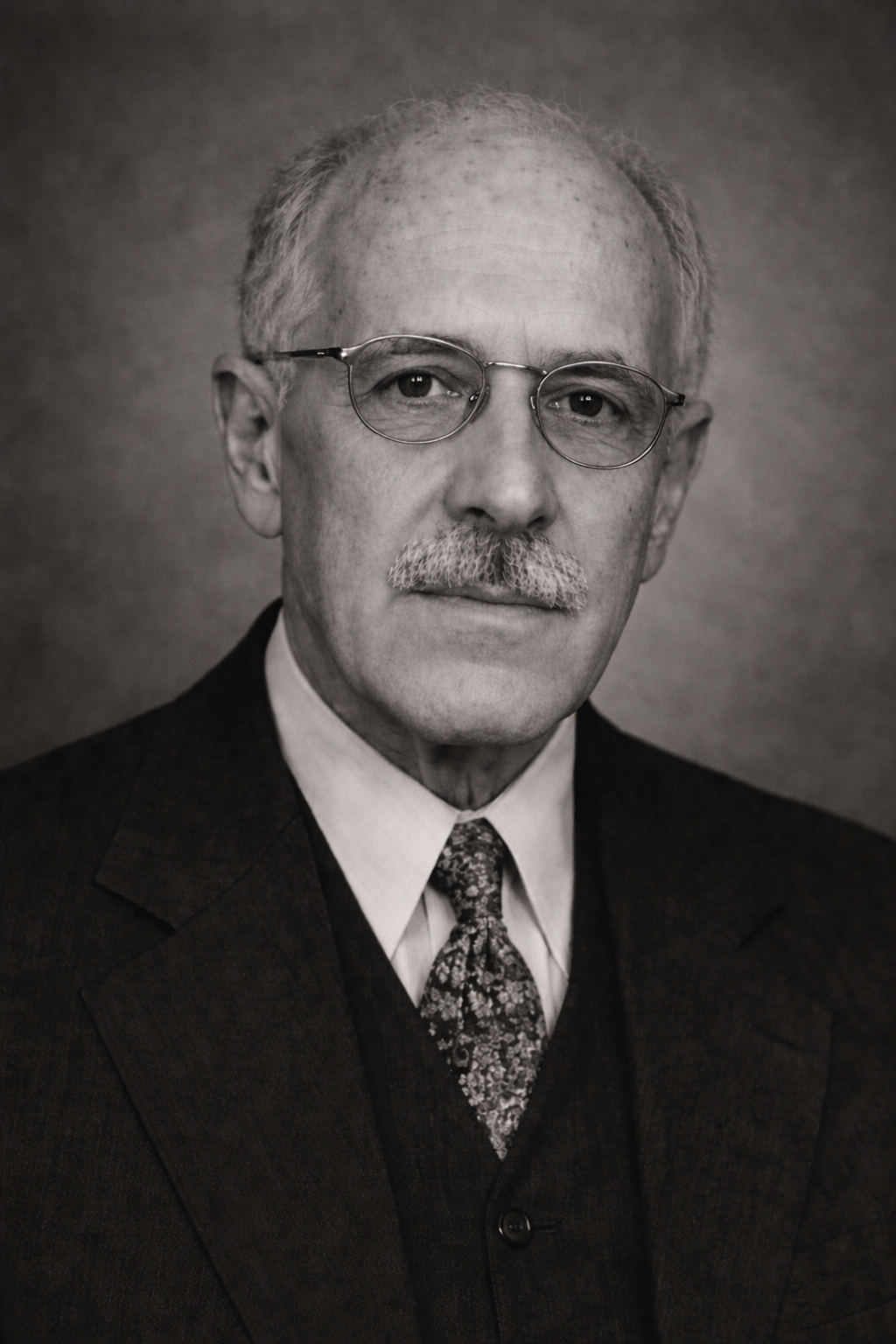
Eduardo J. Correa
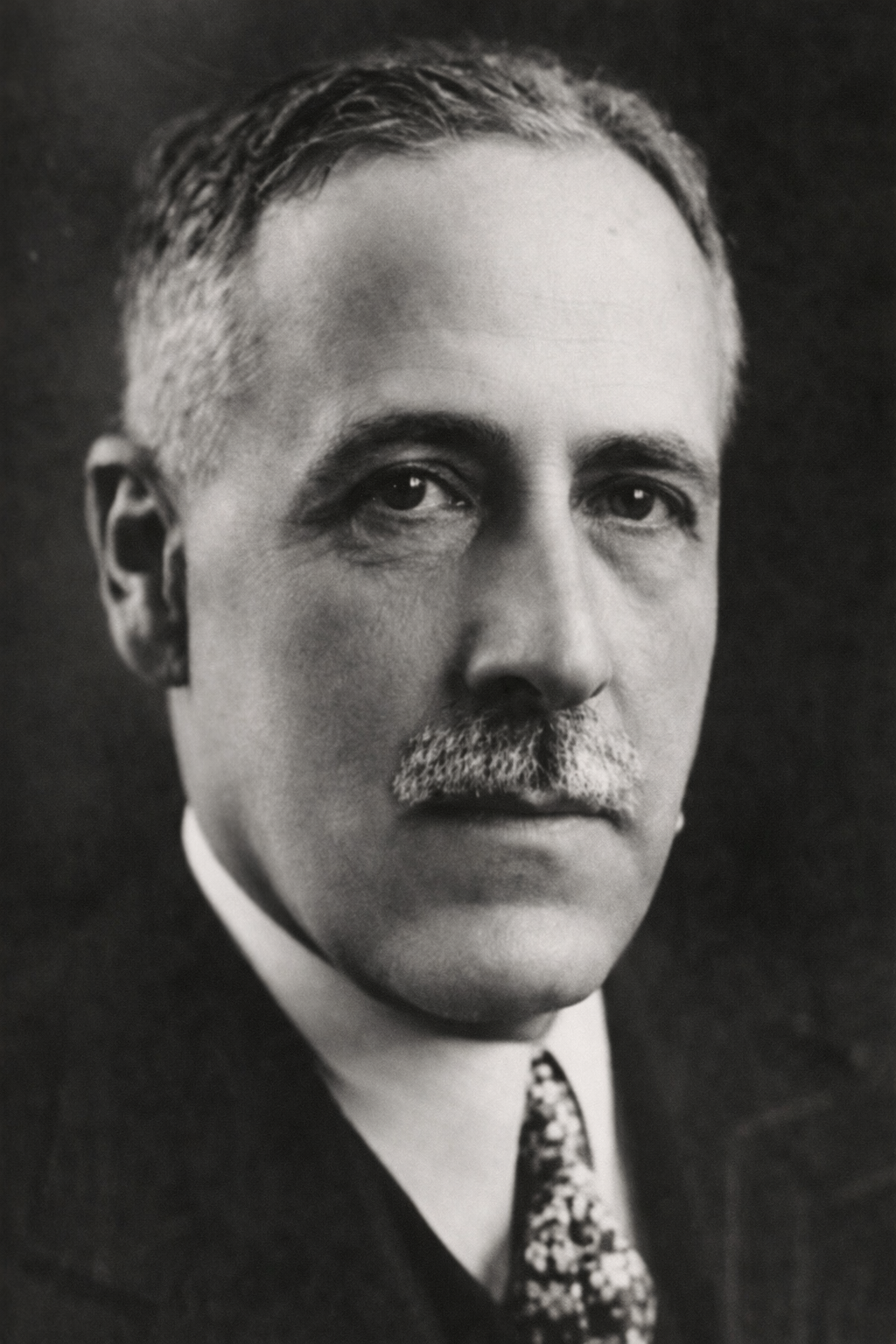
Eduardo José Correa Olavarrieta
Birth:
Death:
Occupation:
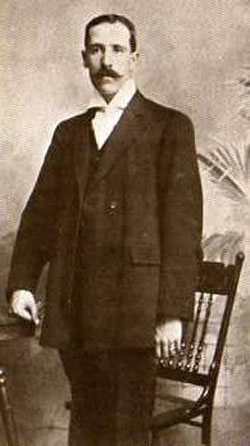
Eduardo José Correa Olavarrieta was born on November 19, 1874, in Aguascalientes, into a family deeply connected to the world of letters, printing, and Catholic activism. His father, Salvador E. Correa, a notary and printing press owner, promoted newspapers such as El Soldado de la Fe (The Soldier of the Faith) and La Voz de la Justicia (The Voice of Justice), intended to defend religious causes during a historical period marked by tensions between the State and the Church. This intellectual and militant atmosphere shaped the sensitivity of young Eduardo from an early age; he grew up listening to discussions on politics, morality, and literature, while the smell of fresh ink was a natural part of his home.
His formal education began at the Seminario Conciliar de Santa María de Guadalupe in Aguascalientes, an institution founded under the influence of the same Catholic movement to which his father belonged. Years later, he moved to Guadalajara to study Law, a career he completed with such outstanding results that he obtained his degree in 1894 without needing to take a professional exam. Upon returning to Aguascalientes, he quickly occupied important positions: first as Secretary of the Court and, later, as an agent of the Federal Public Ministry—a position that would be the last he would accept in public service before dedicating himself entirely to his true vocation: letters, journalism, and the cultural struggle.
The Beginnings of the Journalist and the Relentless Founder
At sixteen years old, he began directing publications; that youthful momentum would mark him forever. Over time, Correa would become one of the most prolific founders of newspapers and magazines in Aguascalientes and in the first half of the 20th century in Mexico. Among his first initiatives, El Iris and La Juventud stood out, followed by the historic newspaper El Horizonte, created alongside José G. Villegas and the then-young Gerardo Murillo—who would later be known as "Dr. Atl." He soon added another emblematic publication: the weekly La Antorcha.
The role that Eduardo J. Correa played as a patron and literary mentor is fundamental to understanding his legacy. In a country where cultural centralization made it difficult for provincial voices to be heard, Correa opened the doors of his media outlets to young writers who would eventually become key figures in Mexican literature. Among them were José F. Elizondo, Enrique Fernández Ledesma, and, most notably, Ramón López Velarde. In fact, it was in El Observador, another outlet founded by Correa, where the first signed poems of the Zacatecan poet appeared under the pseudonym "Aquiles", marking the beginning of a literary friendship that would last for decades.
Correa's passion for cultural dissemination did not stop there. He founded El Heraldo, El Observador (in a second stage), El Correo del Centro, El Católico, La Civilización, La Voz de Aguascalientes, and El Debate. Some of these newspapers were closed by governments that saw a threat in their editorial lines; others were even burned. But Correa—a man of firm convictions, a militant Catholic, and a constant critic of government excesses—never abandoned his efforts.
Aguascalientes, Guadalajara, and Mexico City: Three Cities, One Mission
In 1909, he moved to Guadalajara, where he launched one of his most influential projects: the newspaper El Regional, aimed at strengthening the cultural and moral presence of the Church in an increasingly anticlerical political environment. He also founded the magazine Pluma y Lápiz (Pen and Pencil), dedicated to "good reading", through which he sought to counteract what he considered a moral decadence resulting from the country's new ideological currents.
The recognition he earned in Guadalajara caught the attention of Archbishop José Mora y del Río, who in 1912 invited him to direct La Nación, the newspaper of the National Catholic Party. Correa accepted and moved to Mexico City, where he became a central figure of conservative thought, especially in the defense of the Catholic religion during the turbulent period of the Mexican Revolution.
His journalistic activity was complemented by contributions to high-circulation dailies such as Excélsior, El Diario de Yucatán, and El Porvenir, consolidating him as one of the most influential voices of Mexican intellectual Catholicism.
Writer, Poet, and Chronicler of His Time
Although his journalistic work was monumental, Eduardo J. Correa also left behind a considerable literary body of work. His book En la paz del otoño (In the Peace of Autumn, 1909), with a prologue by López Velarde, contains poems described by the Zacatecan poet as "crystal octosyllables", diaphanous and melancholy. Correa also published novels, essays, and costumbrista texts that portray provincial life, the tension between tradition and modernity, and his deep religious faith.
Among his most representative works are:
•Las almas solas (The Lonely Souls, 1930).
•El dolor de ser máquina (The Pain of Being a Machine, 1932).
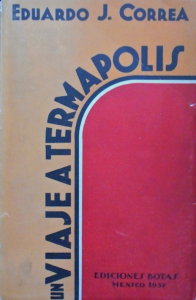
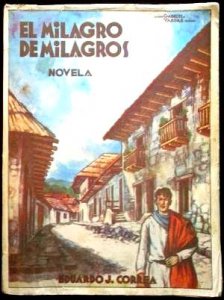
•Un viaje a Termápolis (A Trip to Termapolis, 1937), surely his best-known novel.
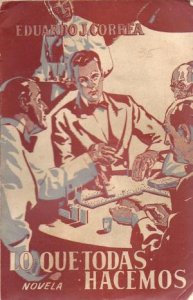
•Lo que todos hacemos (What We All Do, 1941).
•Viñetas de Termápolis (Vignettes of Termapolis, 1945).
•Dolor, sabio maestro (Pain, Wise Teacher, 1948).
Particularly, Un viaje a Termápolis constitutes a lucid satire of Aguascalientes, renamed "Termapolis." The book exposes the social and spiritual conflicts of a city caught between tradition and modern advancement, a recurring theme in his work and in his vision of the convulsed Mexico of the early 20th century.
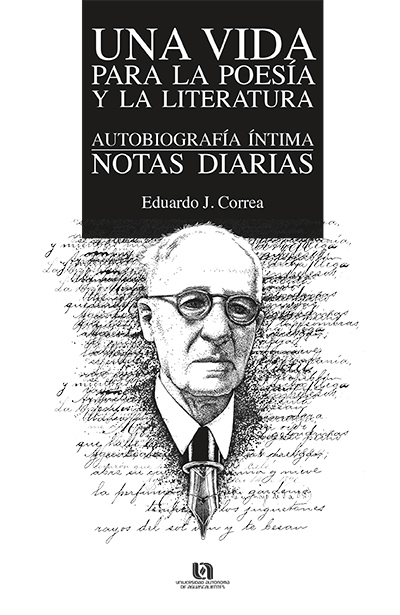
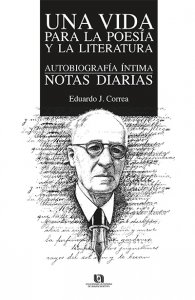
Furthermore, he left two personal documents of enormous historical and literary value: his Diary of 1917-1918, written during the promulgation of the 1917 Constitution, and his Intimate Autobiography, written at the age of ninety and published later by the Autonomous University of Aguascalientes.
Political Activity and Cultural Defense
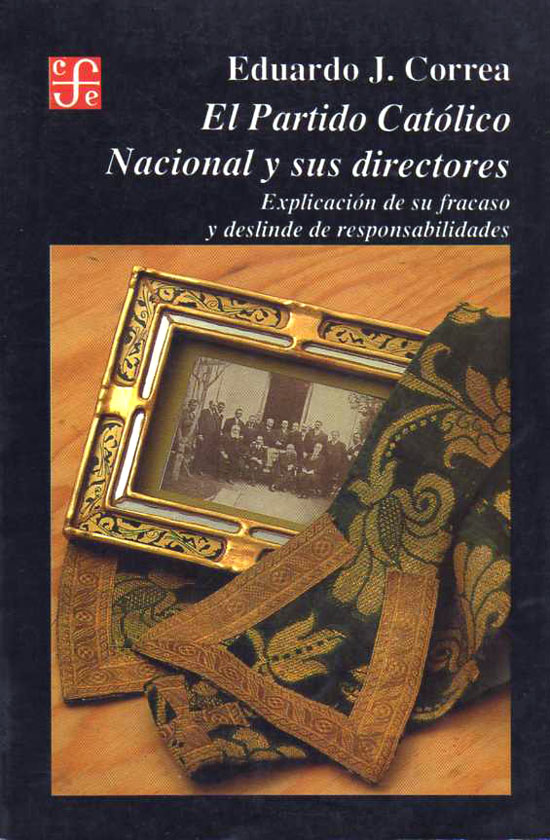
Correa was an active member of the National Catholic Party, convinced that politics should be at the service of morality and the Christian faith. The collapse of the party following Victoriano Huerta's coup d'état led him to partially withdraw from public life, although he continued writing, collecting documents, and defending the vision of a "true history of Mexico" that—according to him—should be written one day.
He also promoted the creation of a Escuela Libre de Derecho (Free School of Law) to counteract the influence of Darwinian positivism in state education. Although this initiative was short-lived, it reflected his commitment to the ethical and humanistic training of new generations.
Final Years and Legacy
After decades of work, in 1916 Correa partnered with lawyer Havre A. Bashan, with whom he practiced the profession until 1935. That year, he decided to retire completely from legal business and left the firm in the hands of his children, dedicating himself from then on exclusively to writing, reading, and organizing the vast materials he had accumulated throughout his life.
His figure remains one of the most relevant in the Catholic and literary culture of Aguascalientes. He was an editor, journalist, poet, novelist, chronicler of an era, and a tireless defender of tradition in times of change. Many of the most important literary voices in Mexico found in him a guide and a generous promoter.
Eduardo J. Correa died in Mexico City on June 3, 1964, at 90 years of age, thus closing a life entirely dedicated to the written word, faith, and cultural service.