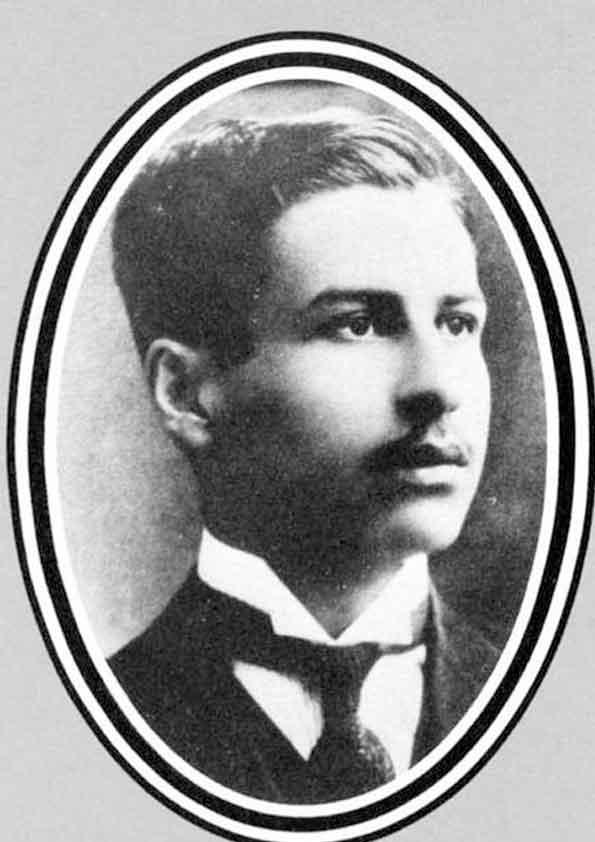
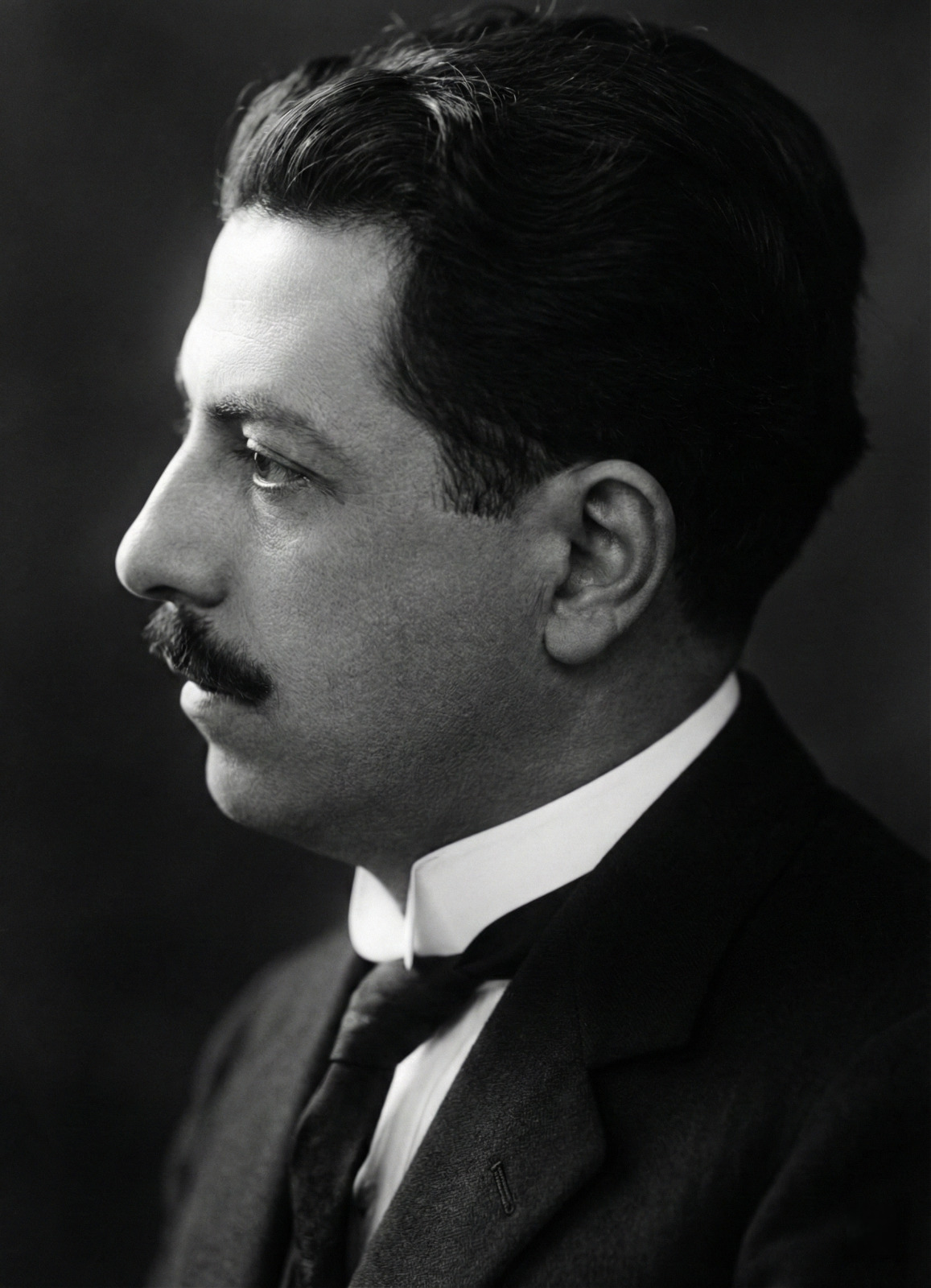
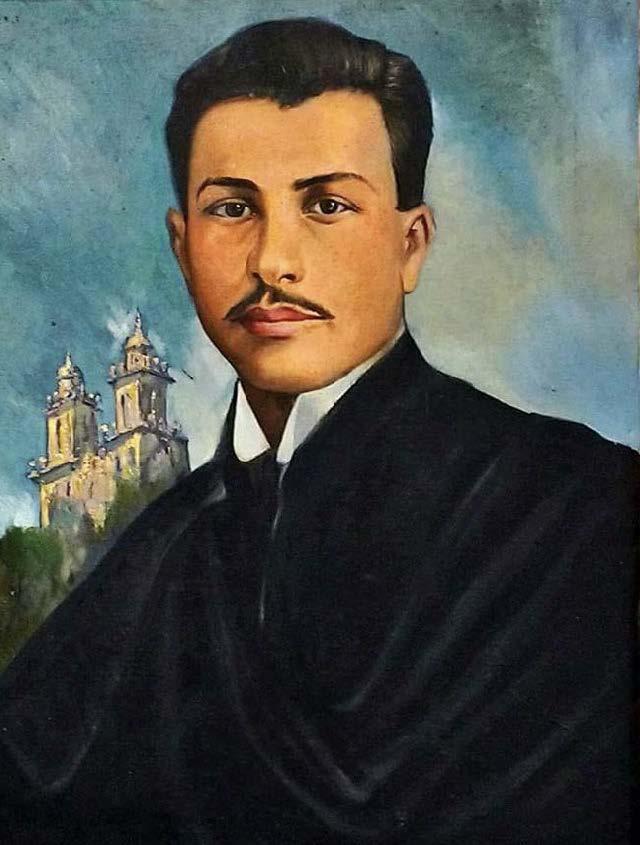
Ramón López Velarde
Birth:
Death:
Occupation:
The Poet Who Reinvented Mexico
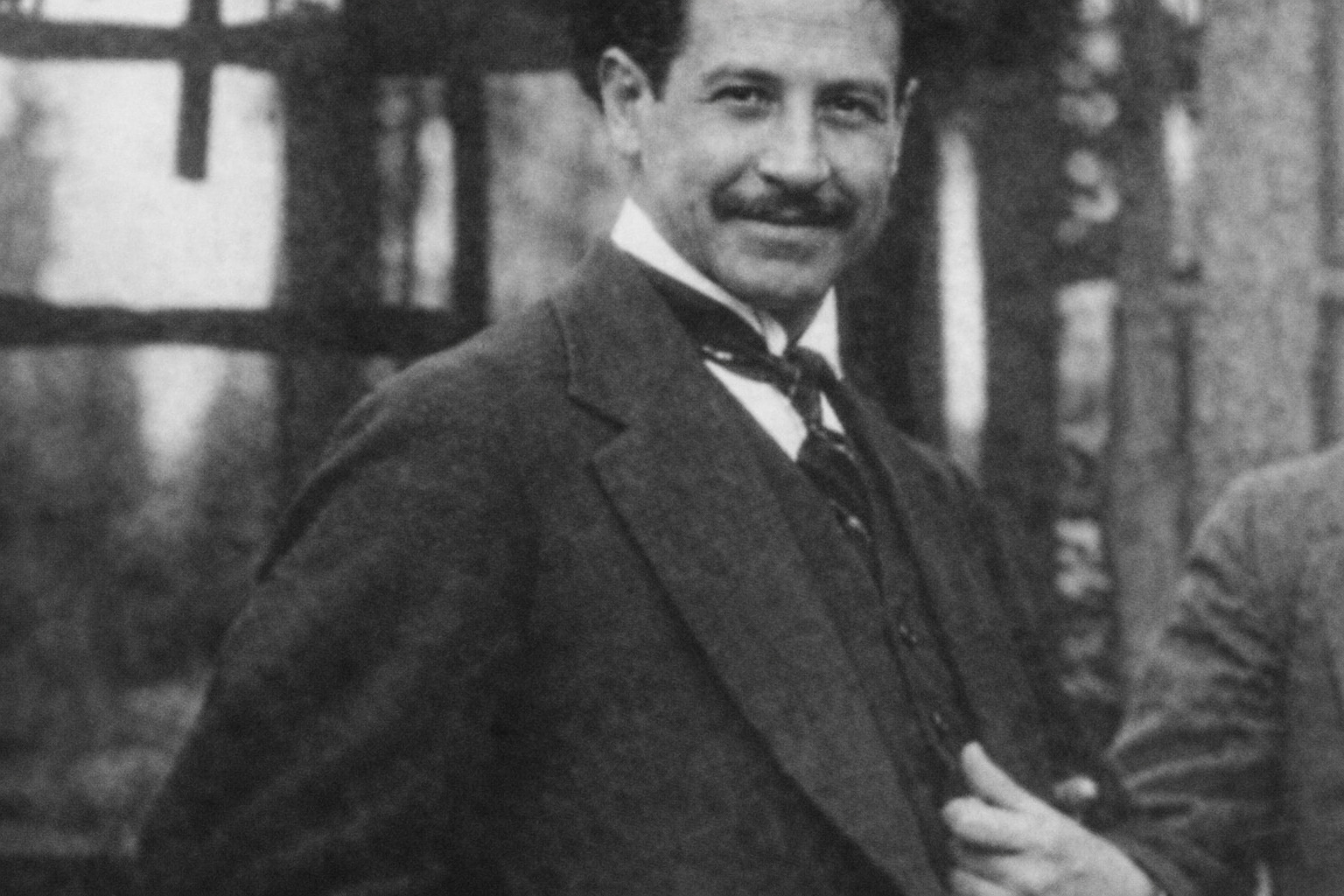
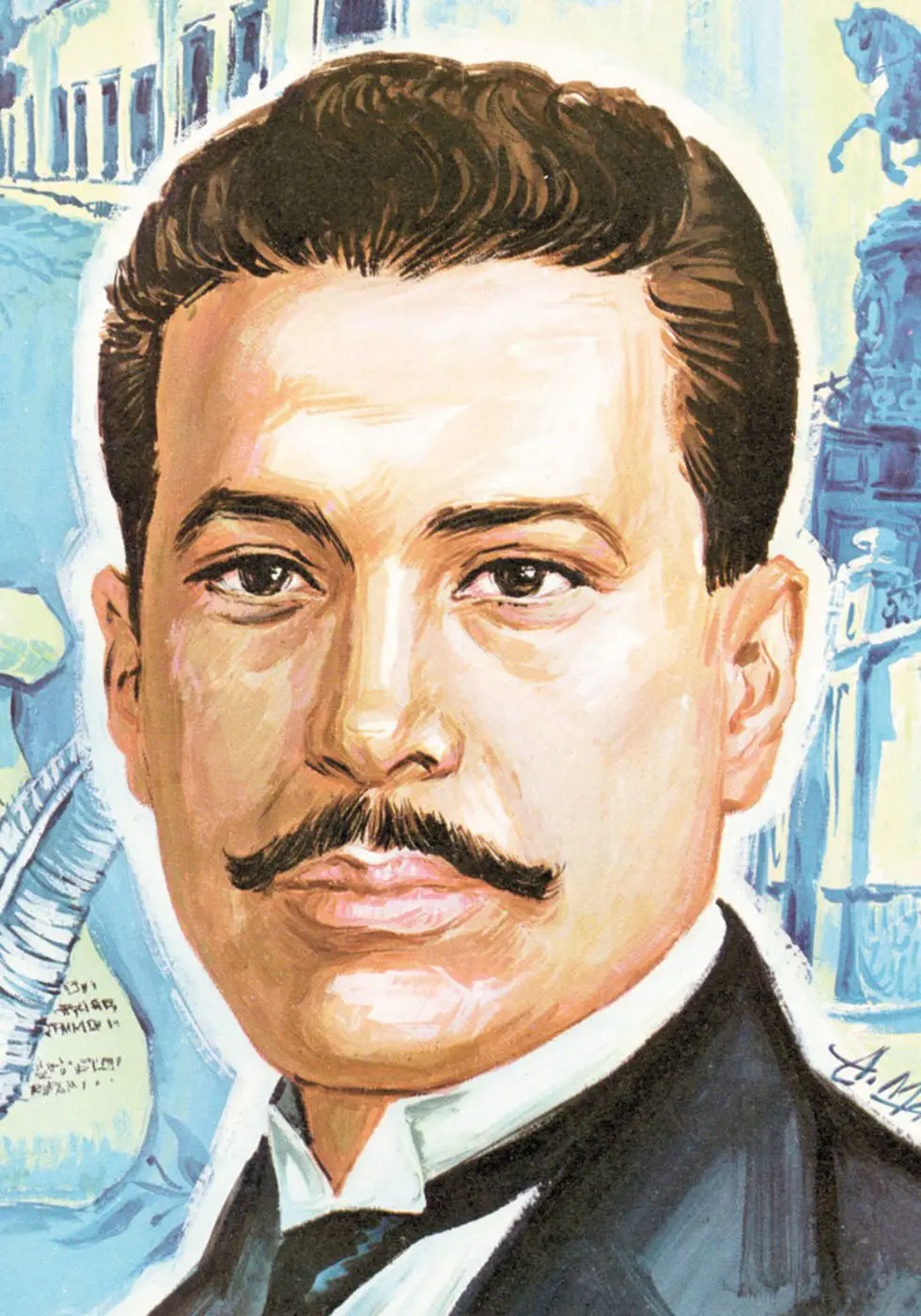
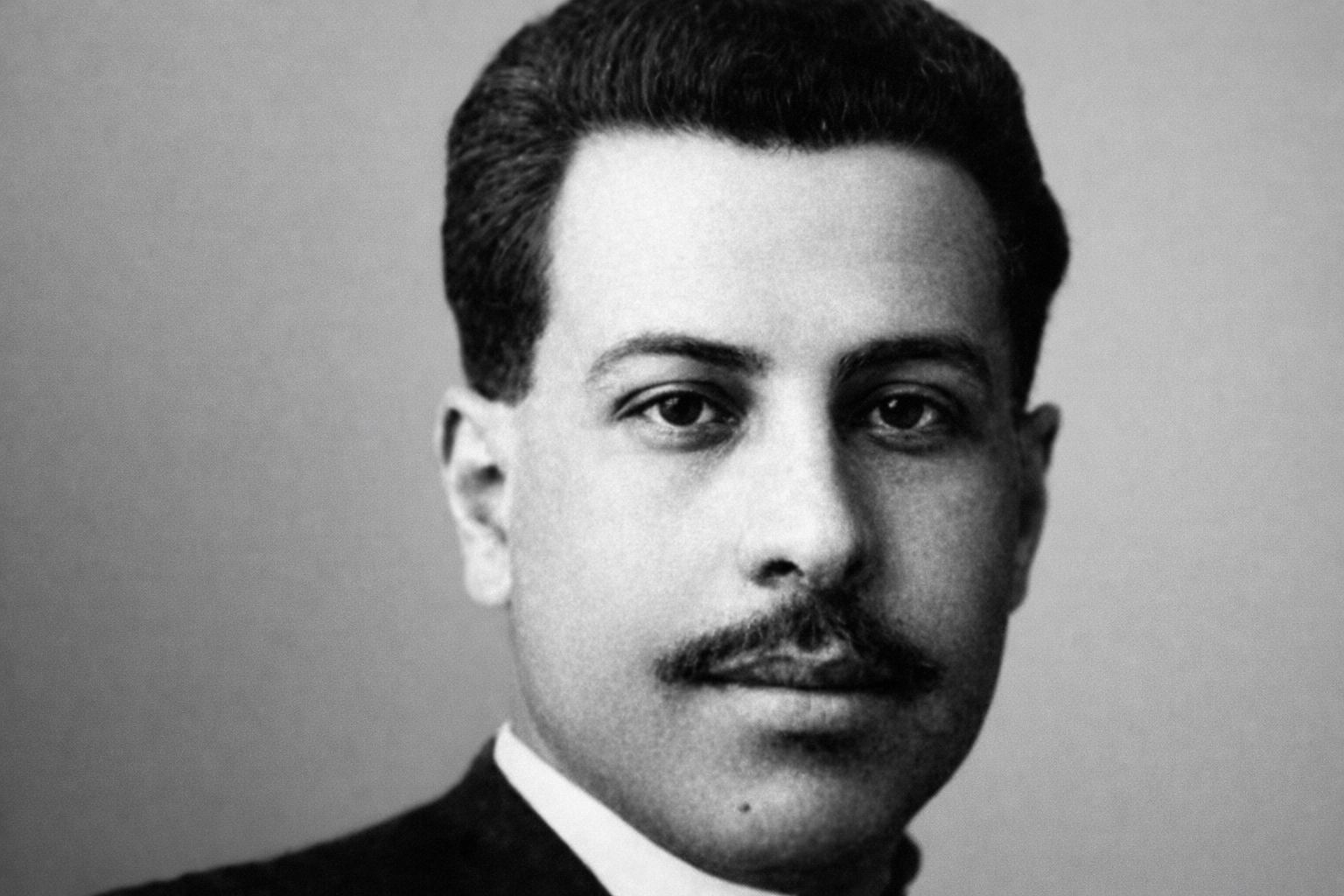
Ramón Modesto López Velarde Berumen was born in Jerez de García Salinas, Zacatecas, on June 15, 1888. He is one of the most singular and beloved voices in Mexican literature. A lawyer, journalist, public official, and, above all, a poet, he came to be known as "The National Poet" thanks to the depth, originality, and Mexicanness of his work, crowned by the famous poem La suave patria (The Gentle Homeland).
His style—baroque, intimate, ironic, sensual, and devotedly provincial—transformed Mexican poetry and served as the bridge between Modernism and the avant-garde movements of the 20th century. Despite his short life, he left an influence that remains alive in Hispanic American literature.
Childhood and Formation: The Boy from Jerez Who Dreamed of the World
He was the first of nine children born to José Guadalupe López Velarde and Trinidad Berumen, a deeply Catholic family. He grew up in a provincial environment filled with rituals, flavors, and religious symbols that would later populate his verses.
He studied at the Seminary of Zacatecas and later at the Seminary of Santa María de Guadalupe in Aguascalientes, where he lived through some of his most formative years. In 1905, he decided not to pursue the priesthood and chose to study law instead, leaning increasingly toward literature.
During this stage, he met Josefa de los Ríos, the famous "Fuensanta", his great impossible love and the symbolic heart of many of his poems. Her figure—mystical, idealized, and eternally absent—became one of the most powerful muses in Mexican poetry.
From a young age, he collaborated with multiple magazines in Aguascalientes, Zacatecas, and Guadalajara, and began signing texts under the pseudonym Ricardo Wencer Olivares.
Literary Awakening and Encounter with Modernism
Reading Amado Nervo and Andrés González Blanco revolutionized his understanding of poetry. He moved from a conservative style to a personal, intimate, and spiritual Modernism.
By 1910, he was already working on a first manuscript that would be the basis for La sangre devota (Devout Blood), while sympathizing with the revolutionary cause of Francisco I. Madero, whom he met personally.
He obtained his law degree in 1911 and briefly served as a judge in Venado, San Luis Potosí, but his administrative vocation could not extinguish his literary passion.
Rumors of Revolution and the Leap to Mexico City
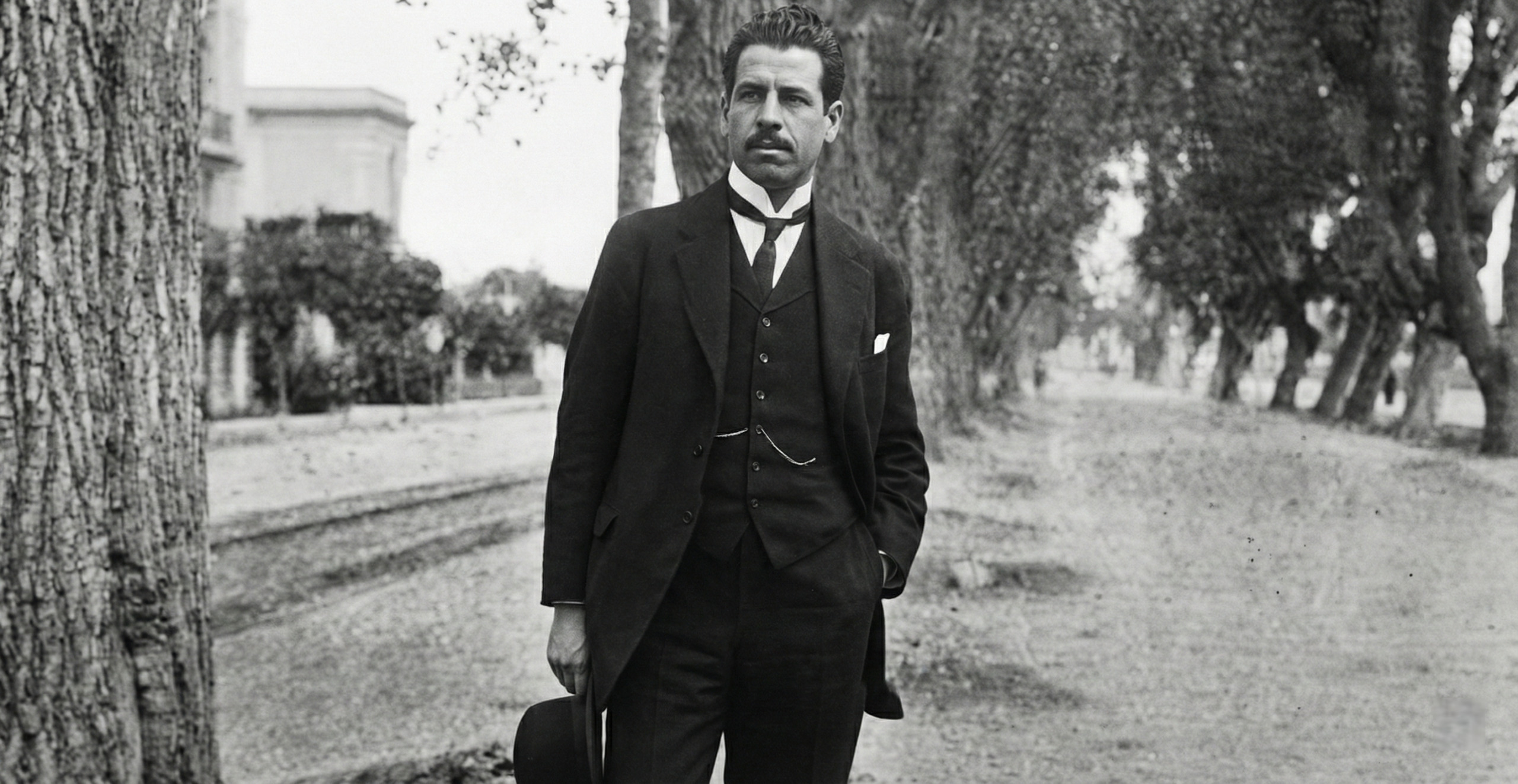
In 1912, he arrived in the nation’s capital, where he held various bureaucratic positions and where his definitive maturation as a writer began. He worked for the newspaper La Nación, wrote political articles—some with a very critical tone—and moved in intellectual circles where he stood out for his charismatic, reserved, and magnetic personality.
During these years, he devotedly read Leopoldo Lugones and José Juan Tablada, who influenced his poetry with verbal audacity, humor, neologisms, unexpected imagery, and a language that mixes devotion with irony.
The Essential Poet: La sangre devota and Zozobra
•La sangre devota
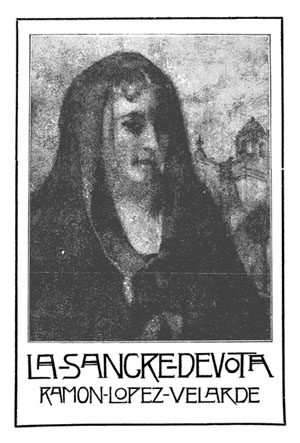
(1916) His first book consolidated his literary fame. It is a work charged with liturgy, childhood memories, family devotion, restrained eroticism, and nostalgia for the homeland. Here, the luminous figure of Fuensanta appears, already transformed into a personal myth.
•Zozobra (1919)
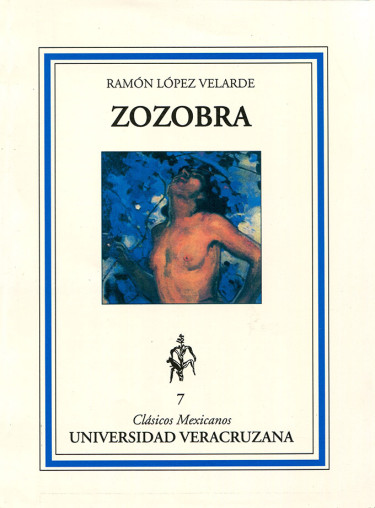
Considered by many to be his most accomplished book, it was described by critic Ernesto Lumbreras as "a tsunami that changed Mexican poetry".
In Zozobra, bold language, irony, pain, desire, spirituality, and inner contradiction combine. It is a mature, powerful, and deeply modern work.
It was heavily criticized by Enrique González Martínez, but at the same time celebrated by young writers who would later form the group Los Contemporáneos.
Final Years: The Homeland and Unease
1917 marked a deep wound: the death of Fuensanta. Although he never returned to Jerez, the province continued to be his imaginary refuge.
In 1920, with the arrival of José Vasconcelos at the Ministry of Education, López Velarde became closer to the country's cultural project. He published articles in México Moderno and El Maestro, where his text "Novedad de la Patria" appeared—the seed of the most important poem of his career.
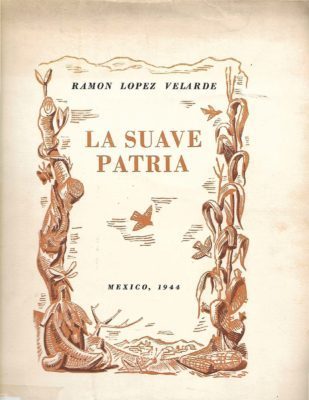
•La suave patria (1921)
Published posthumously, it is a loving song to Mexico: its landscapes, its faith, its irony, its poverty, and its everyday beauty. It is a modern, symbolic, and deeply emotional work, celebrated as a poetic synthesis of national identity.
Death and Posterity
Ramón López Velarde died unexpectedly on June 19, 1921, at the age of 33, a victim of bronchopneumonia aggravated by syphilis. His death shocked the cultural world.
In 1963, his remains were moved to the Rotunda of Illustrious Persons.
His house in the Roma neighborhood, where he lived his final years, is today the Poet López Velarde House Museum.
Legacy and Permanence
López Velarde’s work is the constant object of studies, congresses, and new readings. He was vindicated by José Vasconcelos, exalted by Xavier Villaurrutia, analyzed by Octavio Paz, cited by Bioy Casares, and celebrated by multiple generations of poets.
His poetry stands out for:
•Its mystical sensuality,
•Its subtle humor,
•The combination of the religious and the erotic,
•The presence of the province as a myth,
•Its surprising, precise, and bold language.
It marked the transition from Modernism to the avant-garde and left an indelible mark on Mexican literature.
Main Works
Poetry
•La sangre devota (1916)
•Zozobra (1919)
•La suave patria (1921)
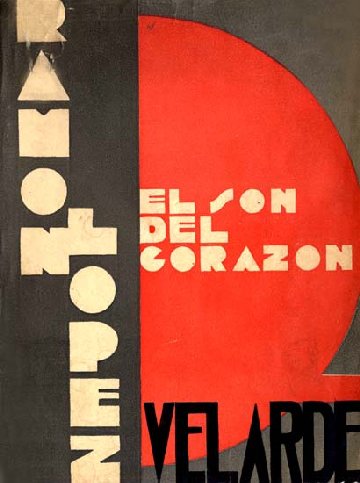
•El son del corazón (1932)
•Silabario del corazón (1933)
•La niña del retrato (1935)
Prose
•El minutero (1923)
•El don de febrero y otras prosas (1952)
•Correspondencia con Eduardo J. Correa y otros escritos juveniles (1991)
Conclusion
Ramón López Velarde lived barely three decades, but his voice continues to resonate with the force of a poet who captured, like few others, the intimate soul of Mexico. His work—nostalgic, devout, ironic, and voluptuous—remains a bridge between tradition and modernity, between the dreamed-of province and the turbulent city, between faith and desire.
He was, and remains, the poet who reinvented the homeland.