The Ferronales Neighborhood
Location:
Schedule:
09:00 - 20:00 Hrs and Saturday 10:00 - 15:00 Hrs.
Cost:
The Ferronales Neighborhood was established at the beginning of the 20th century (around 1897–1900) as a residential area for American engineers and technical staff hired to work in the workshops of the Mexican Central Railway. Along with the arrival of the first train in 1884 and the construction of a new station in 1910–1911, this neighborhood became an integral part of the city’s industrial growth.
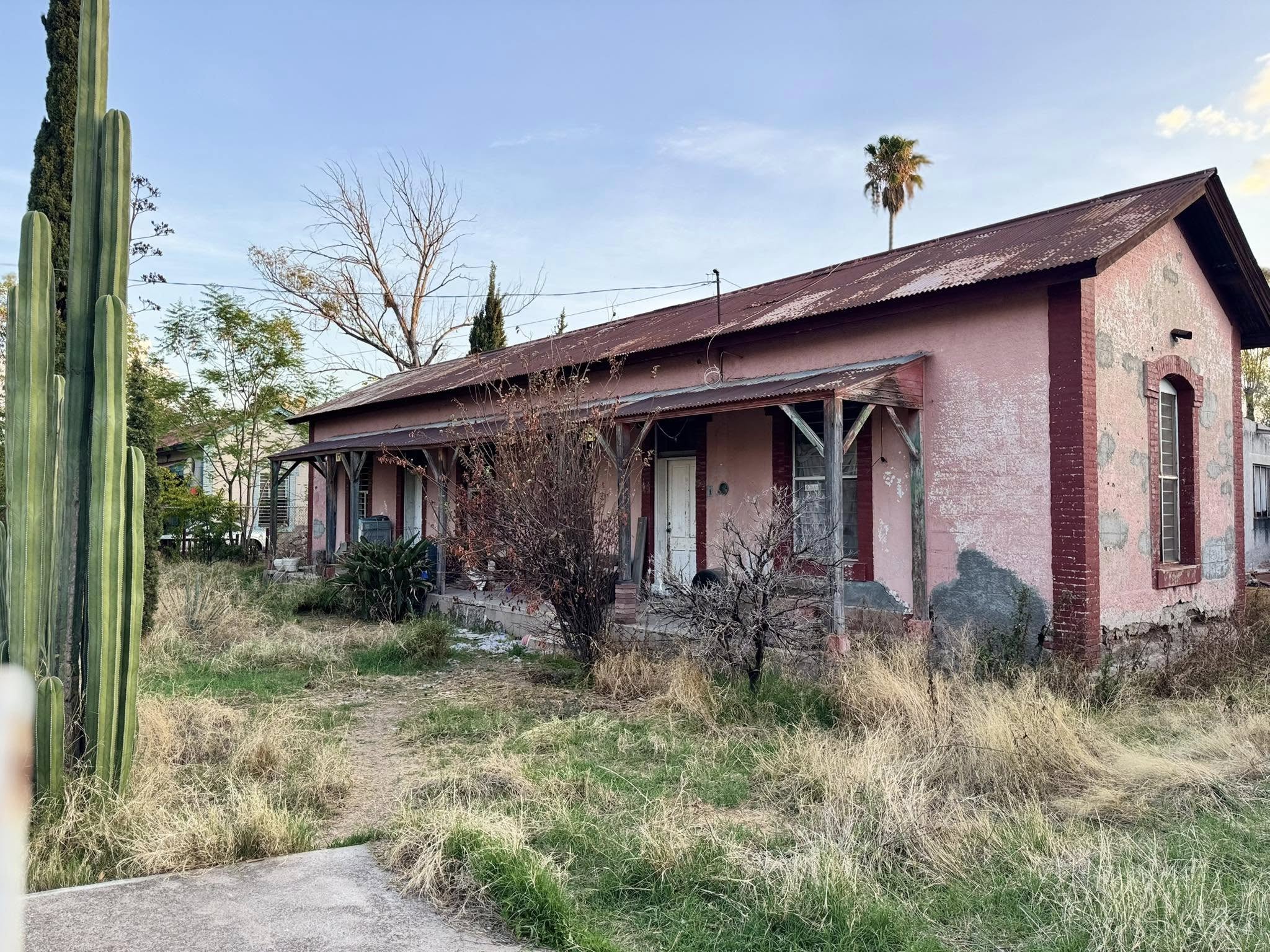
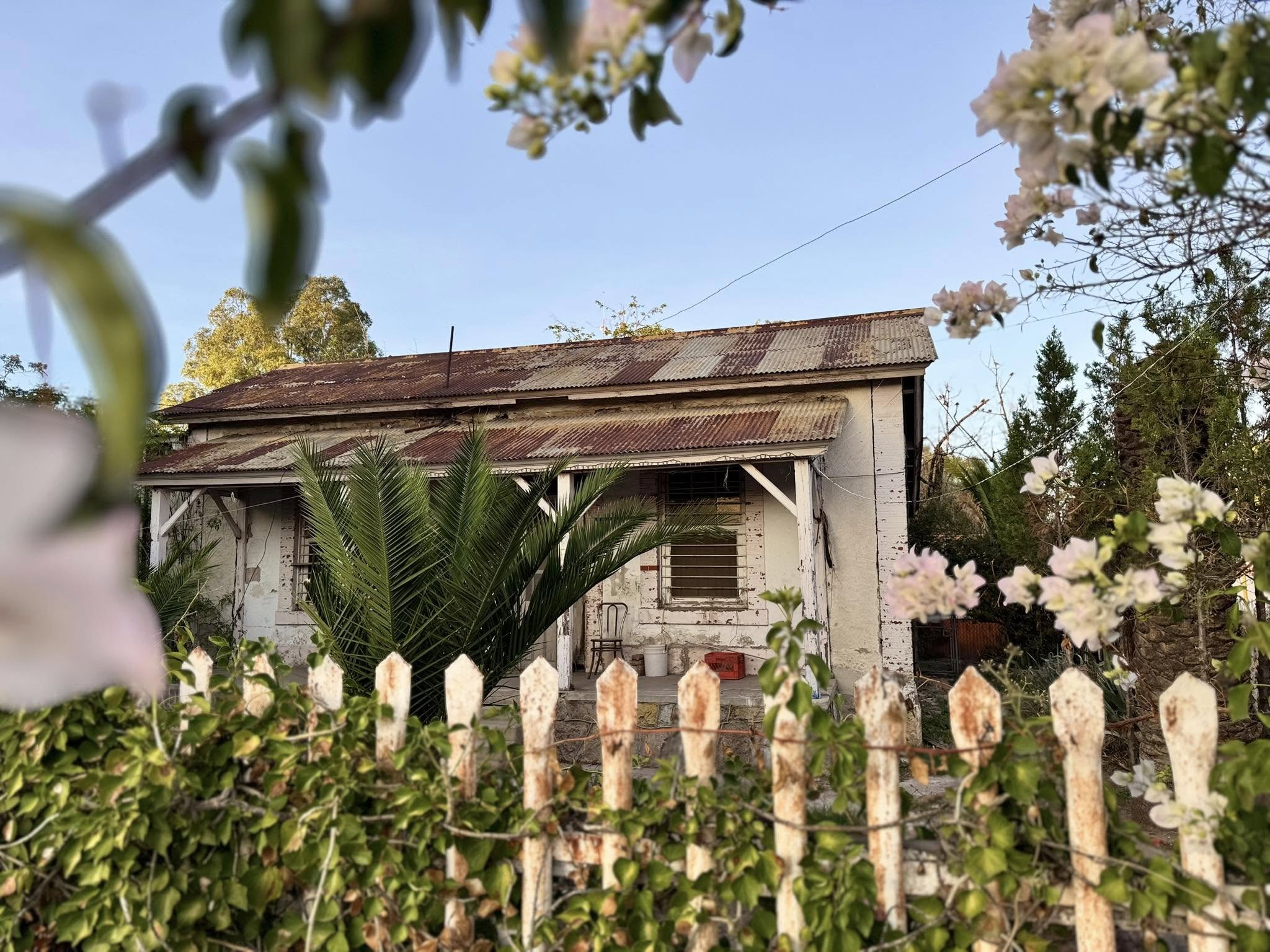
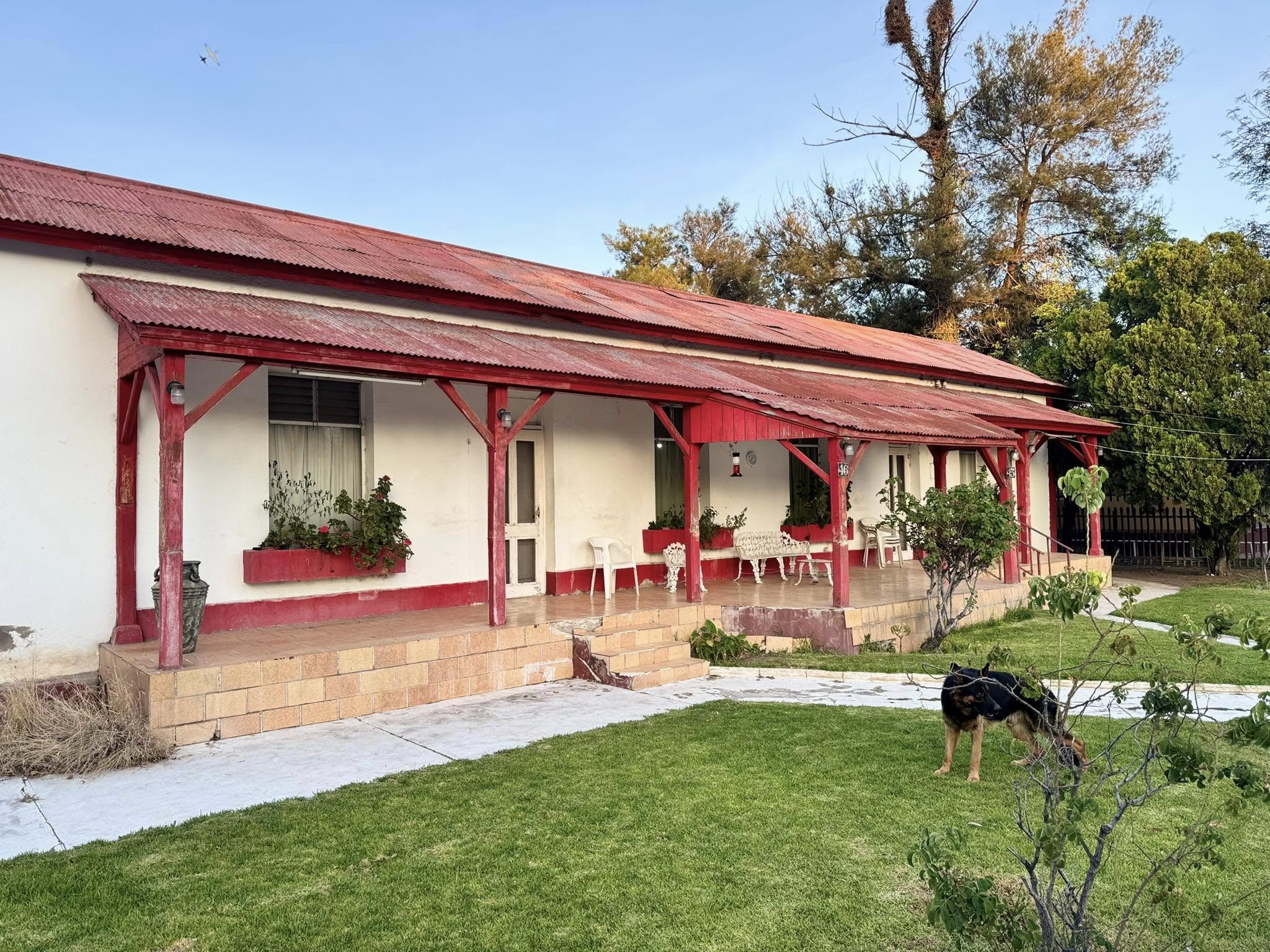
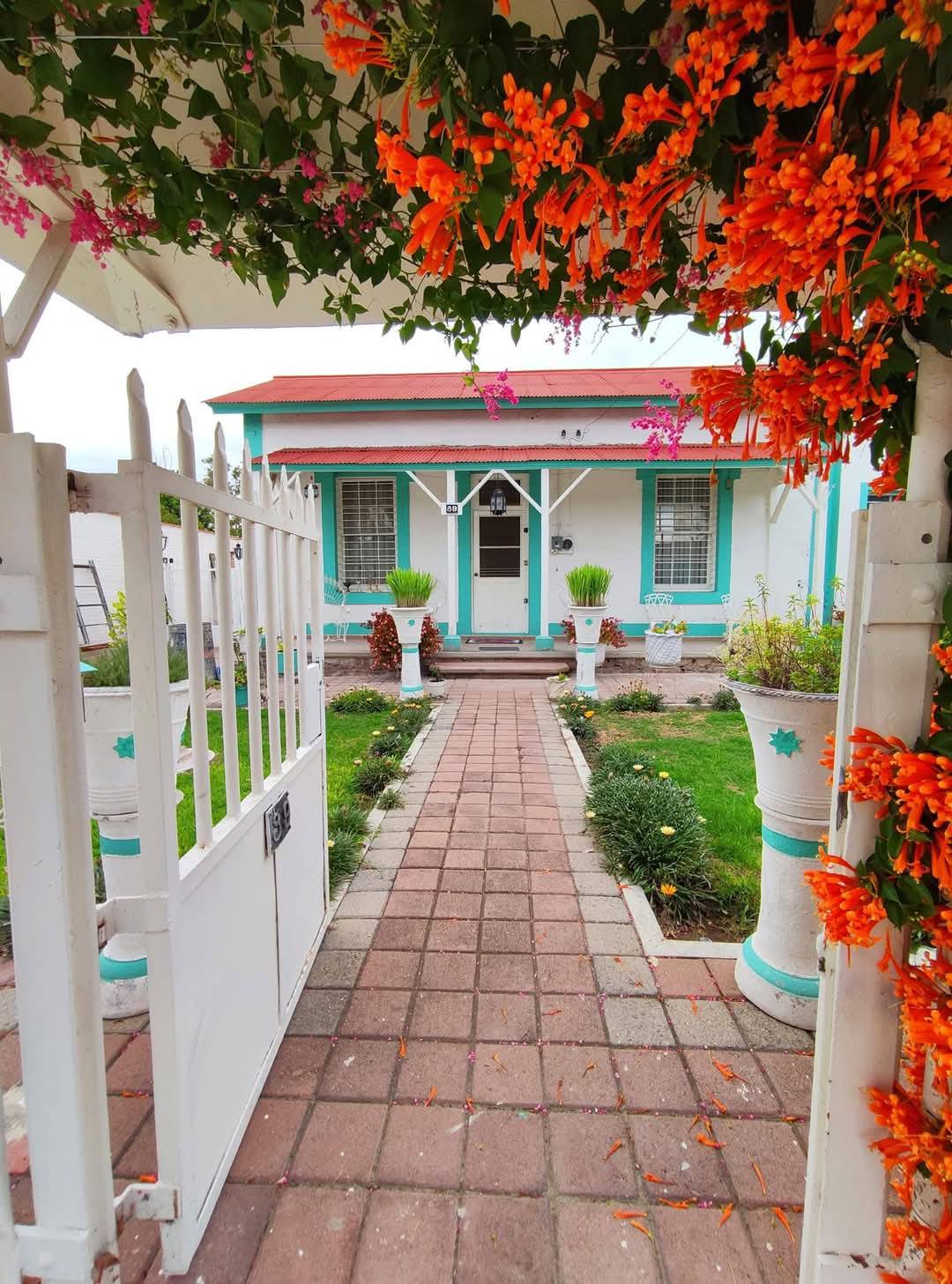
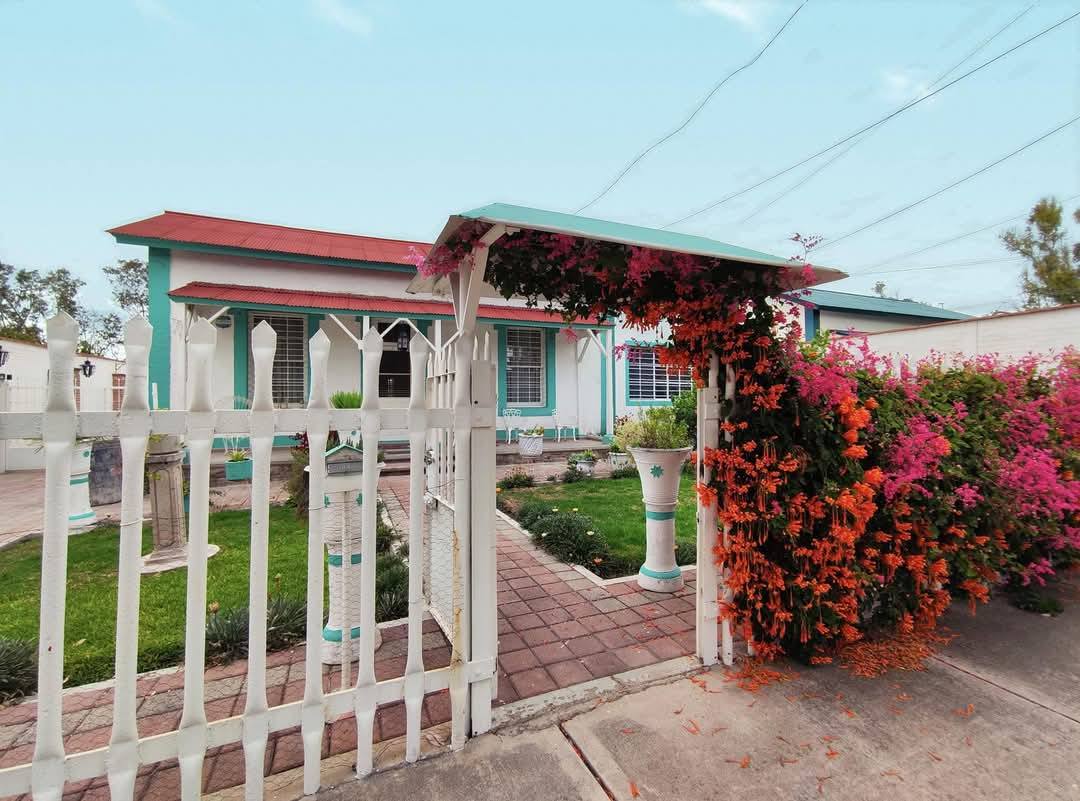
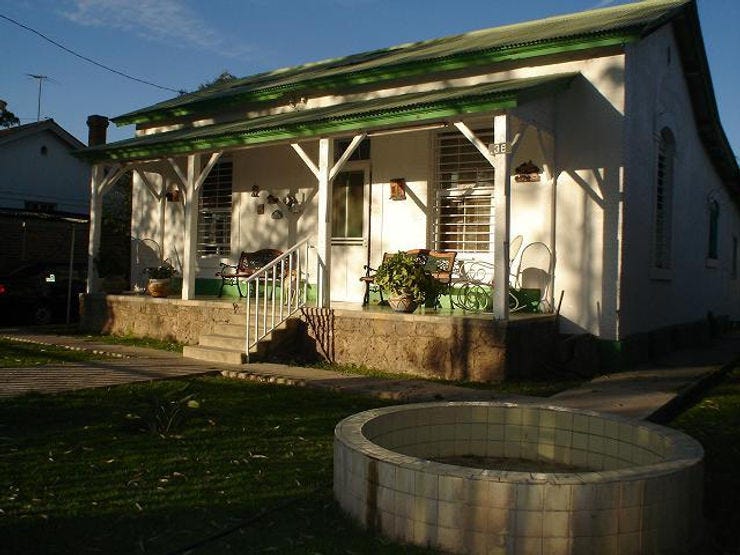
It is made up of approximately 40 to 60 single-story houses built with wooden structures, gabled roofs, chimneys, basements, attics, porches, and large gardens. Its streets are paved and lined with large trees that give the area the atmosphere of a peaceful American suburb. The homogeneous typology — houses similar in style and size — reflects a planned design intended for high-ranking railway staff.
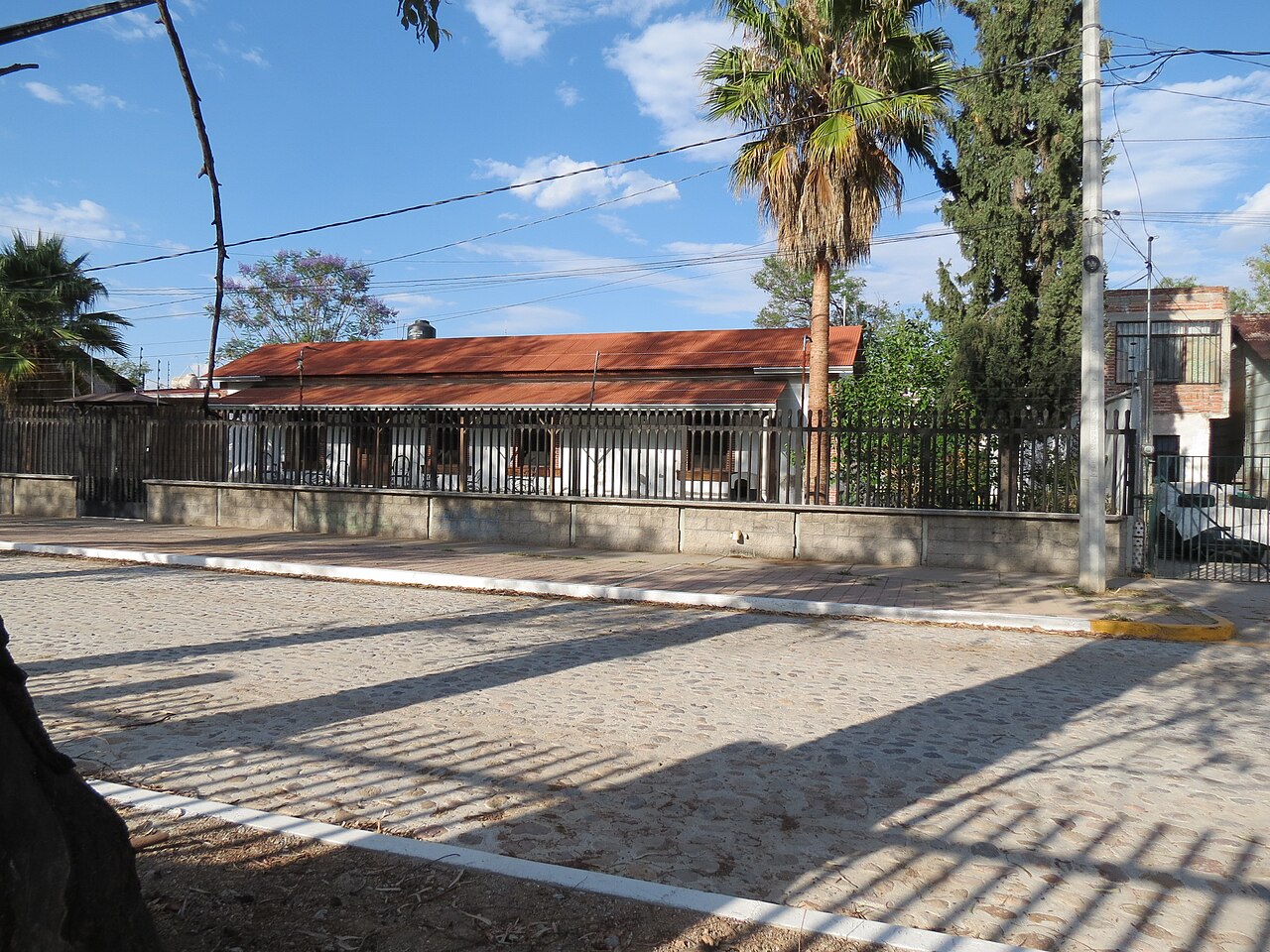
After the oil and railway expropriations in 1937, many American engineers returned to their country, and the houses began to be occupied by Mexican engineers. However, since the 1950s, the neighborhood gradually lost its specialized population. From that time on, partial abandonment began, bringing deterioration to façades and streets, although its residents have managed to preserve its architectural essence.
Although there is no official protection designation by the National Institute of Anthropology and History (INAH) — only monitoring efforts — the neighborhood has been the subject of citizen initiatives and institutional proposals seeking protection through the INAH or the National Institute of Fine Arts and Literature (INBAL). In recent years, faced with the threat of urban development projects such as hotels, shopping centers, and new avenues, residents have reported damage to the original structure, including the removal of paving stones and possible damage to foundations that lack a concrete base.
Today, Ferronales is one of the most distinctive urban legacies of Aguascalientes: an example of American-style railway architecture unique in the country. It remains a historic residential “island” in the midst of the development of the “Tres Centurias” corridor and the Barrio de la Estación. It is also a space of strong community identity, inhabited mostly by descendants of the original families, who strive to keep alive the architectural and cultural character of the neighborhood.