José María Bocanegra
Birth:
Death:
Occupation:
José María de los Dolores Francisco Germán del Espíritu Santo Bocanegra y Villalpando
The man who came to lead the three branches of the Union
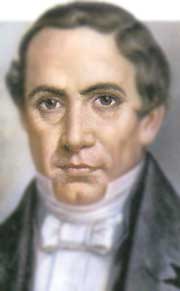
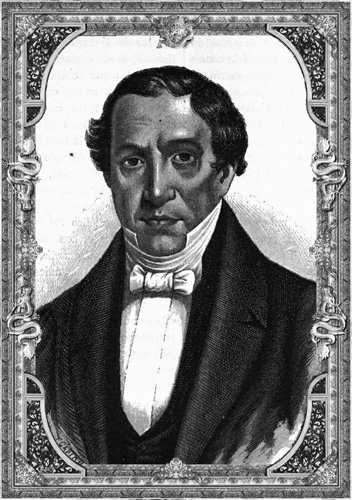
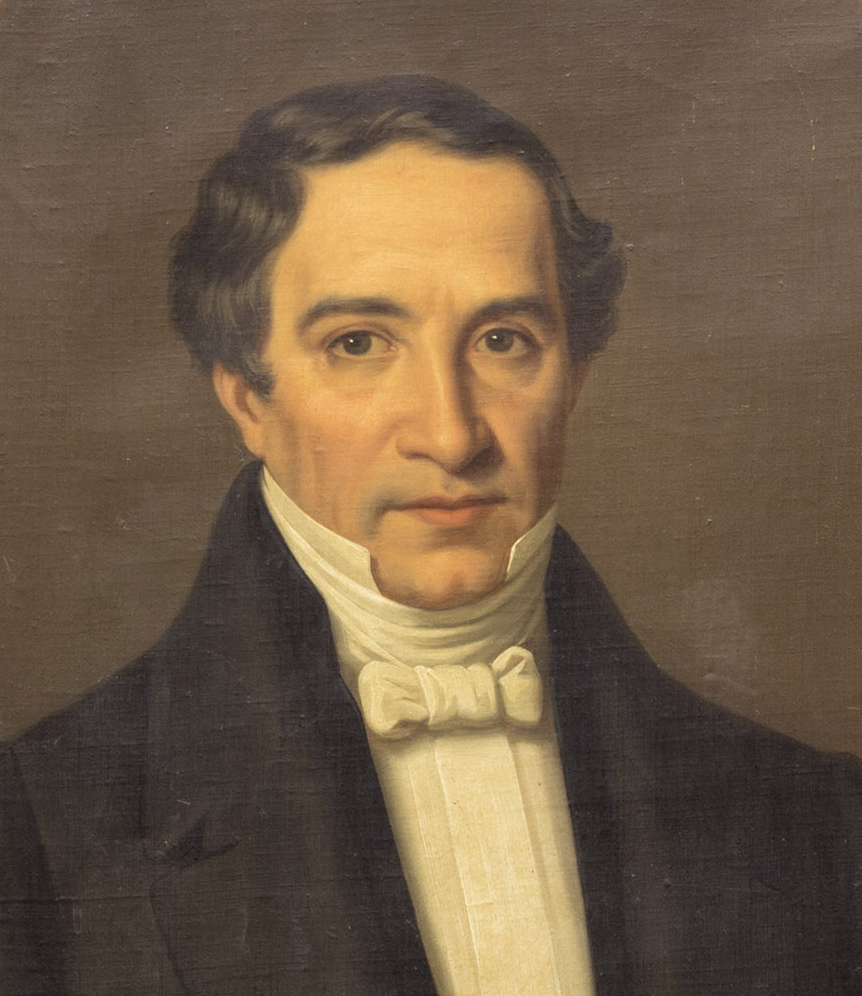
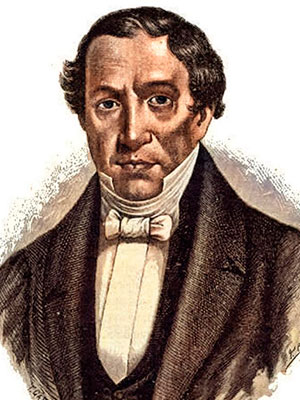
José María de los Dolores Francisco Germán del Espíritu Santo Bocanegra y Villalpando —known simply as José María Bocanegra— was born on May 25, 1787, at the La Labor de la Troje hacienda, in what is now the municipality of Calvillo, Aguascalientes. His origin in a prosperous hacienda marked the beginning of the life of a singular figure: a lawyer, politician, economist, writer, and historian who, over time, would become the only Mexican to have headed the three branches of the Union: Executive, Legislative, and Judicial.
Early Years and Education
The eldest son of Félix Bocanegra and Manuela Villalpando, he grew up alongside his siblings Ramón, María Guadalupe, and Francisca. His childhood was spent between Aguascalientes and Guadalajara. From a young age, he showed a vocation for letters and study, which led him to enroll first at the University of Guadalajara (1807) and, subsequently, to move to Mexico City.
He entered the College of San Ildefonso, seat of the Royal and Pontifical University of Mexico —predecessor of the UNAM— where he trained as a lawyer and also acquired knowledge in economics and history, areas that would later nourish his intellectual work.
From New Spain to Independence
In the final years of the viceroyalty, Bocanegra worked as an official of the Royal Audience (Real Audiencia) and was an honorary member of the Bar Association.
With empathy toward the independence project, he adhered to the Plan of Iguala and, once independence was achieved, was elected in January 1822 as a deputy to the First Constituent Congress, where he participated in the drafting of the Constitution of 1824. Although he initially supported the rise of Agustín de Iturbide, he did not hesitate to criticize the Emperor's excesses when they appeared.
Construction of the New Mexican State
During the government of Guadalupe Victoria, Bocanegra held various positions: Minister of the Supreme Court, Deputy, and, for the first time, Minister of the Treasury (Ministro de Hacienda), a post he held without having formal studies in the field, but with surprising administrative skill.
He demonstrated a conciliatory talent by resolving tensions between his predecessor, Lorenzo de Zavala, and various creditors, which allowed the country to obtain a credit of more than two million pesos to face debts generated by General Barradas' reconquest expedition. He was also a brilliant defender of federalism, a member of the York Rite Masonic lodge, and close to the liberal-oriented political group from Zacatecas.
Repeatedly, Bocanegra alternated between the positions of Secretary of the Treasury and Secretary of Interior and Foreign Relations during the governments of Victoria, Gómez Farías, Bustamante, Santa Anna, Nicolás Bravo, and Canalizo. In his financial memoirs, he highlighted chronic problems such as:
•Poor customs administration,
•Excessive military spending,
•Failure of the states to meet their contributions,
•And the need to undertake deep fiscal reforms.
Interim President for Seven Days (1829)
His name went down in history for a brief but turbulent episode. On December 17, 1829, amidst Vice President Anastasio Bustamante's uprising against President Vicente Guerrero, Congress authorized Guerrero to leave power to lead the loyal army.
The presidency was then placed in the hands of José María Bocanegra, by designation of the Legislative branch.
His administration was brief: it lasted only seven days.
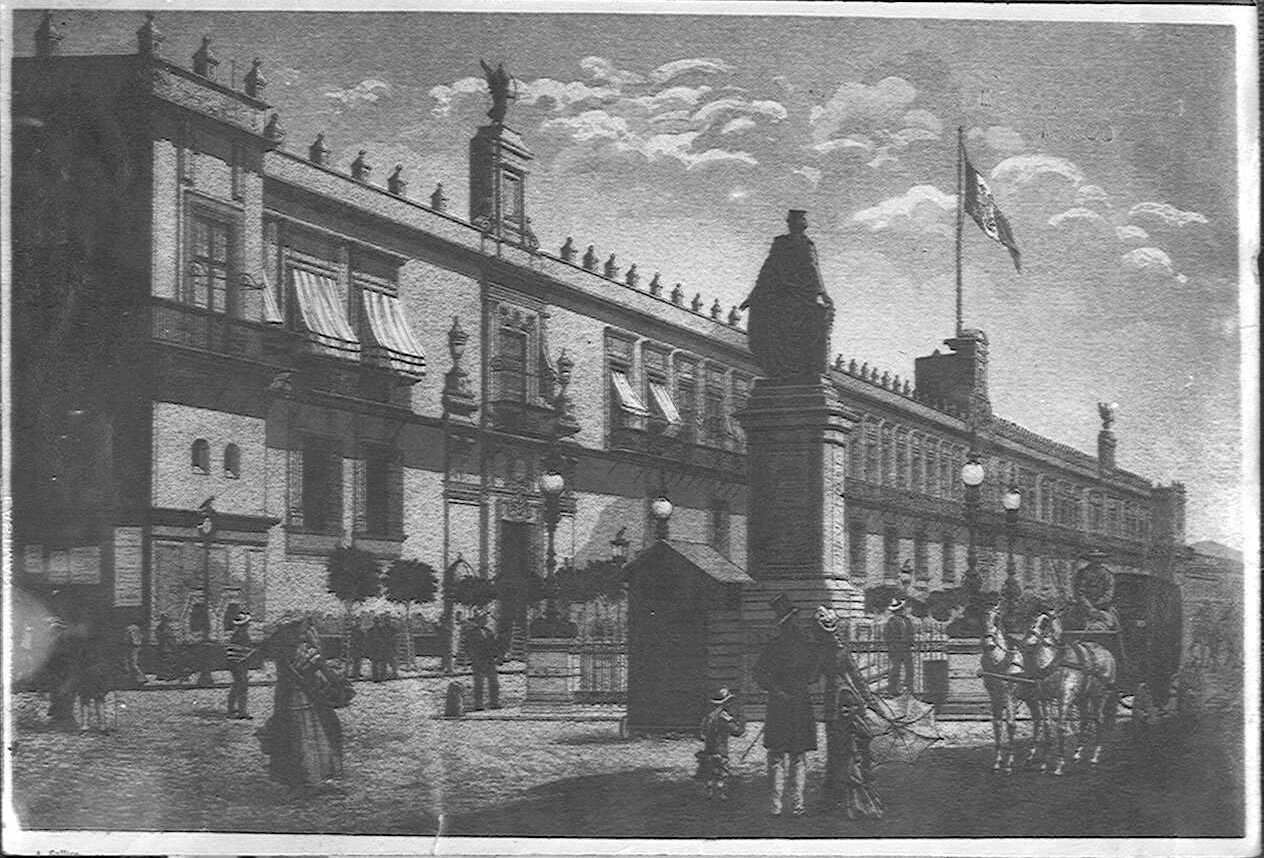
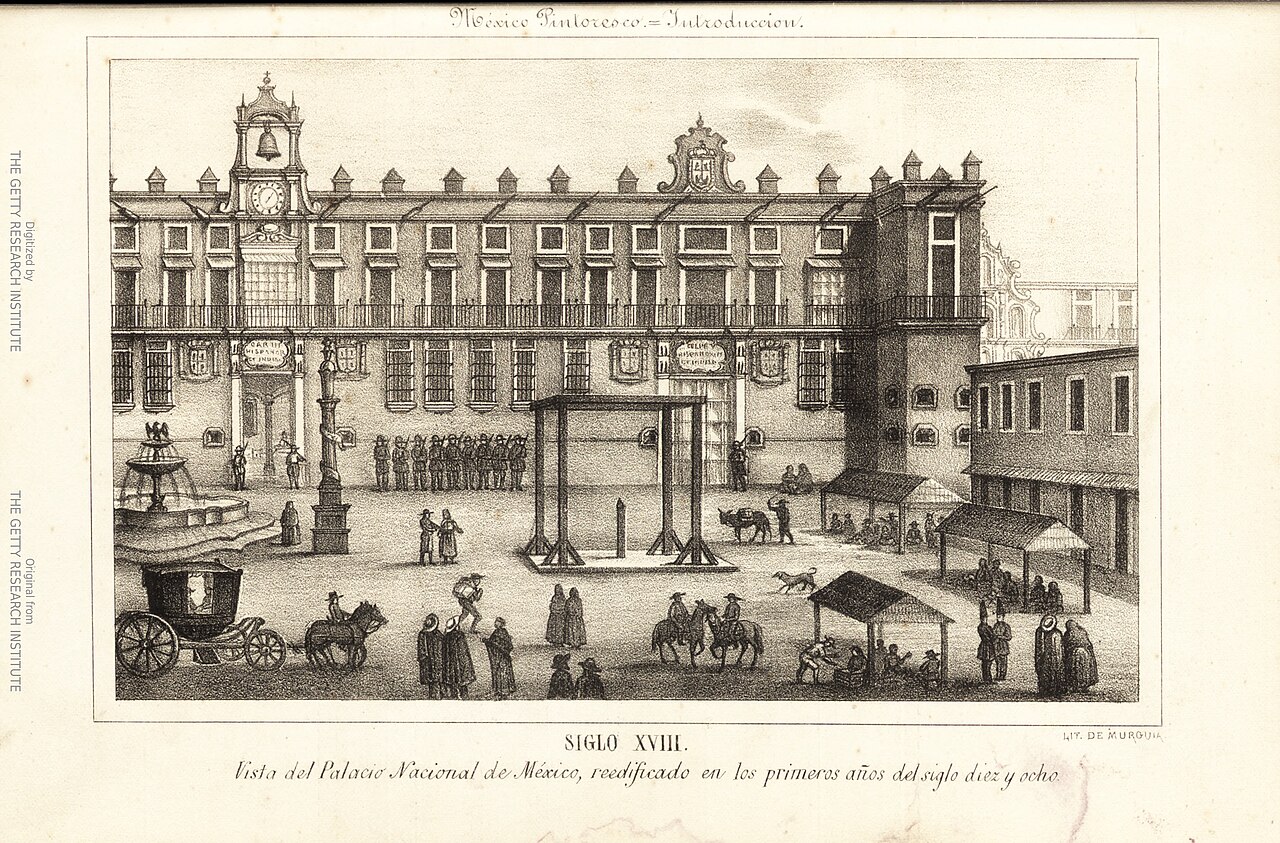
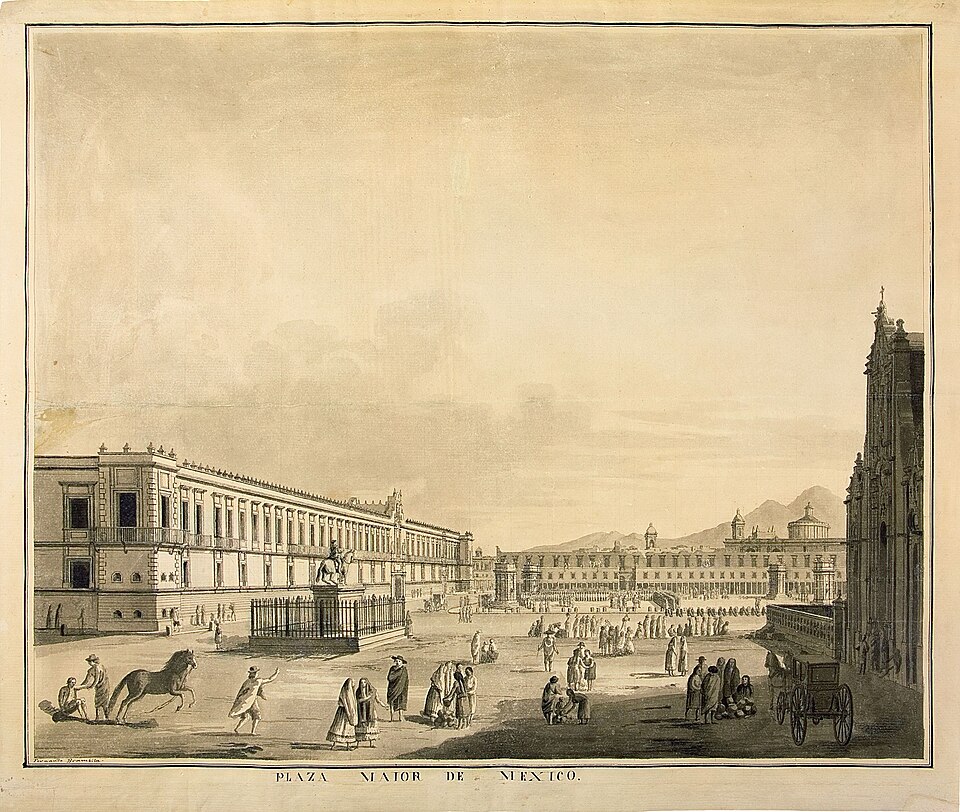
On the night of December 22, the garrison of Mexico City revolted in favor of Bustamante and surrounded Palacio Nacional as Bustamante launched the jalapa plan with which he was unaware of the current government. After an exchange of shots and grenades, Bocanegra acknowledged that the resistance was untenable. He ordered the white flag to be hoisted and opened the doors of the palace.
Immediately, the Government Council met and appointed a triumvirate to head the Executive, formed by:
•Pedro Vélez, president of the Supreme Court;
•Luis Quintanar;
•Lucas Alamán.
Bocanegra submitted his resignation and temporarily retired from politics.
The Intellectual and the Magistrate
Despite his brief presidency, Bocanegra continued to contribute to the country. He was president of the Supreme Court of Justice of the Nation between 1839 and 1841 and again occupied key positions in the Executive and Judicial branches.
Finally, tired of the political instability of 19th-century Mexico, he decided to retire from public life in 1844 to dedicate himself to his true passion: writing.
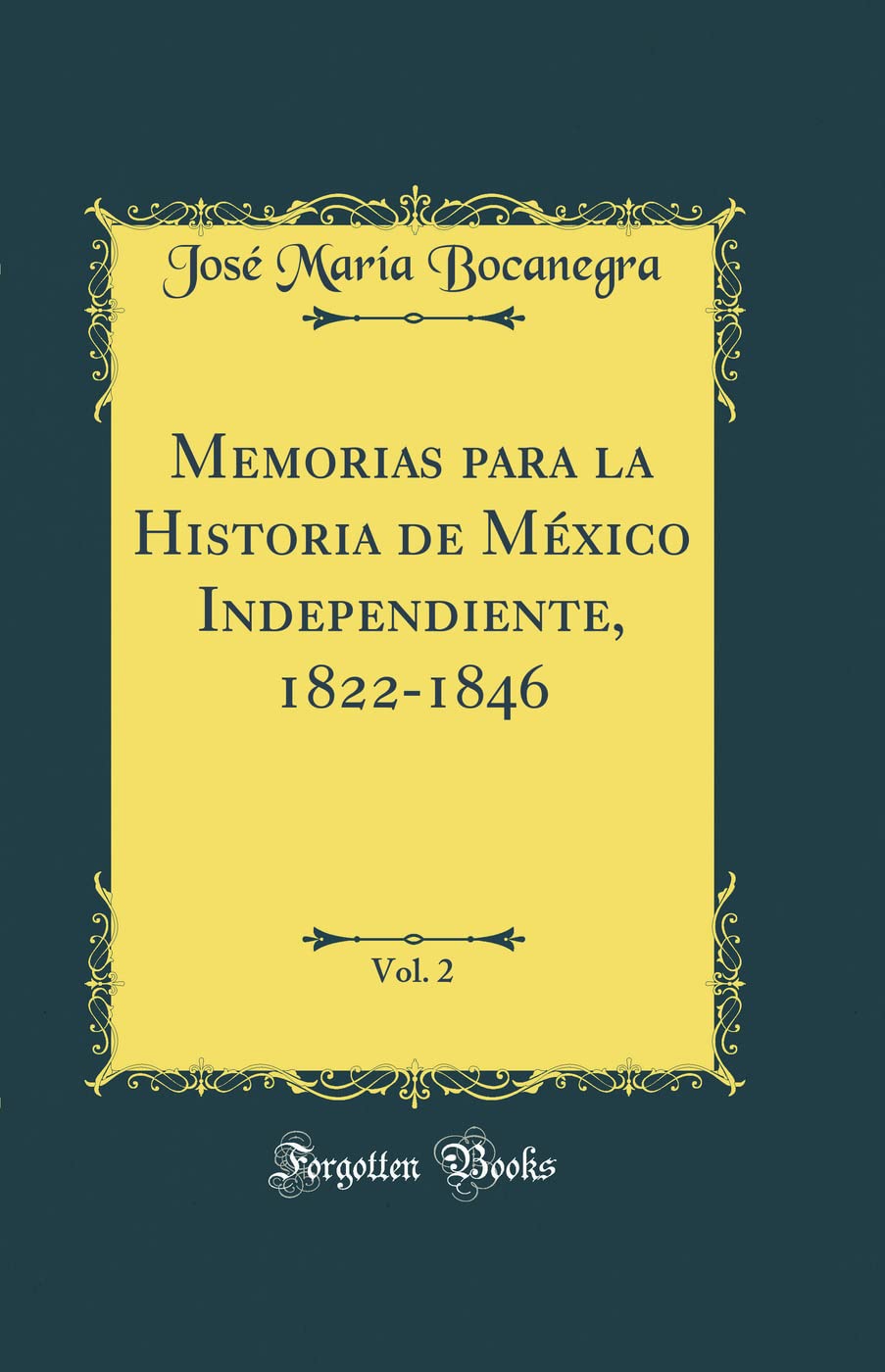
His historical legacy was captured in a monumental and now classic work:
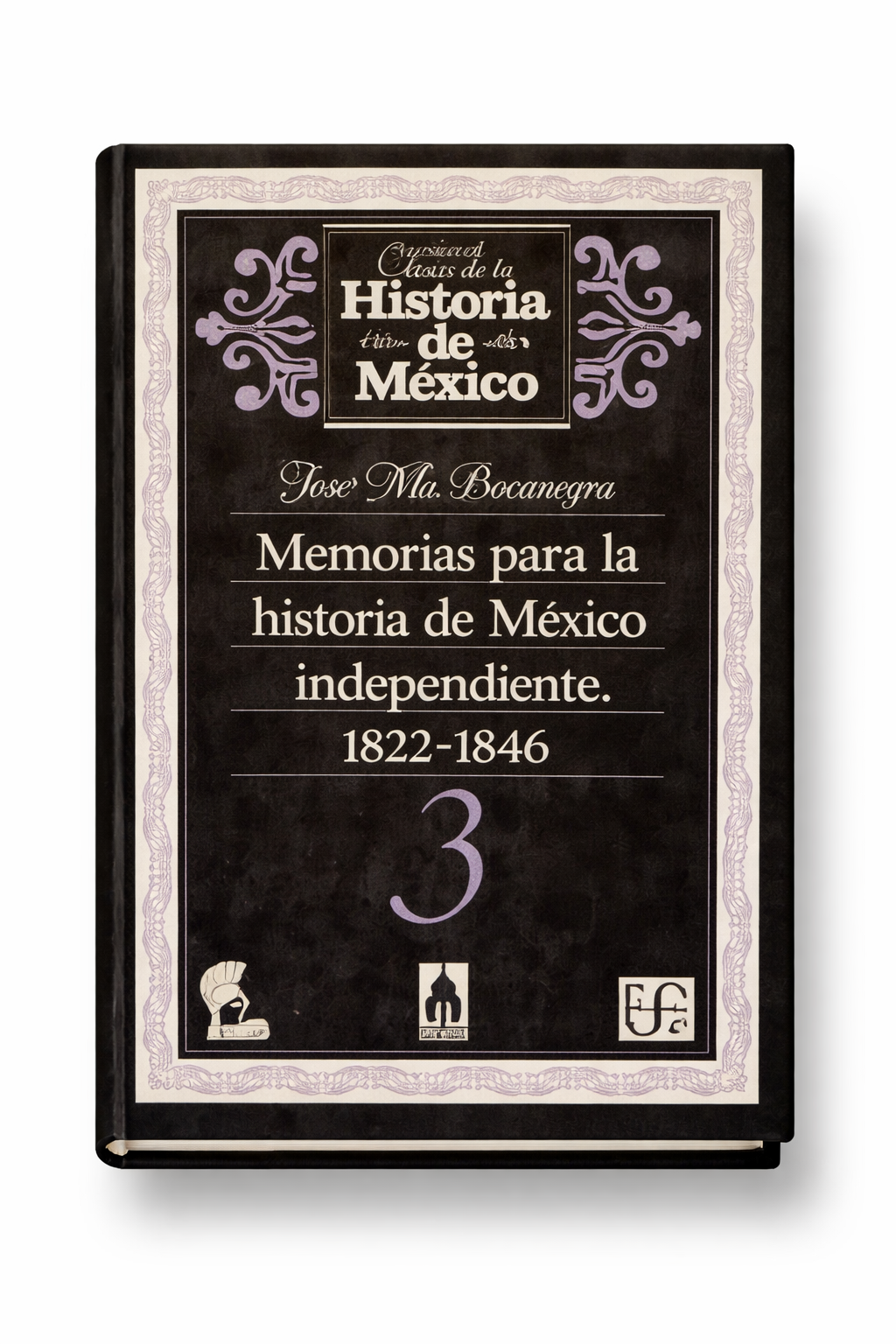
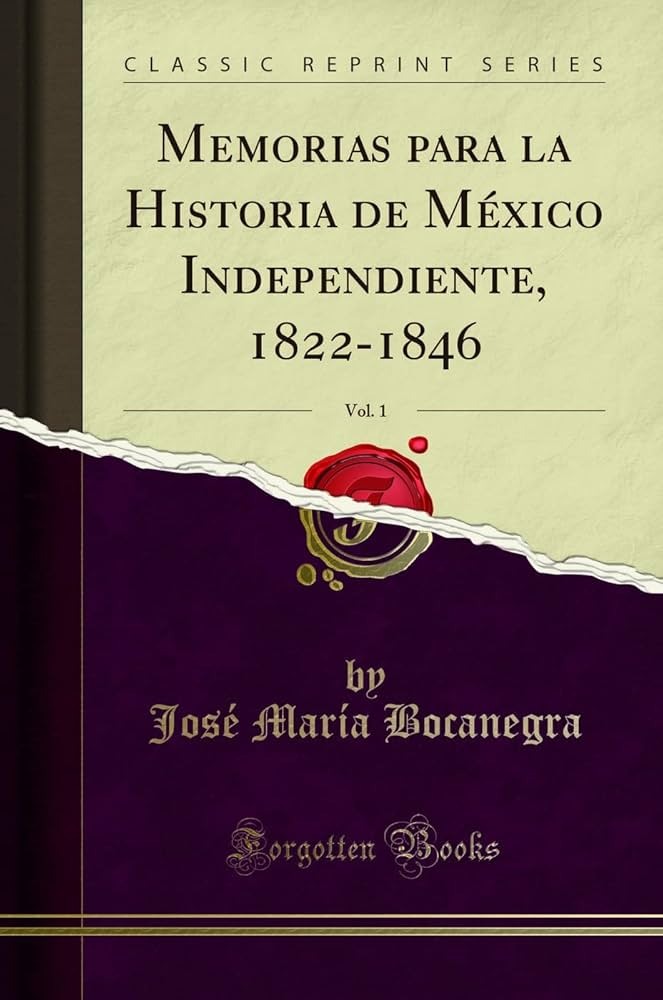
"Memoirs for the History of Independent Mexico, 1822-1846", an essential testimony for understanding the first years of the independent nation.
Death and Legacy
José María Bocanegra passed away on July 23, 1862, at the age of 75, at his home located at the corner of Isabel la Católica and Tacuba in Mexico City. His remains rest in the parish temple of San Ángel.
A curious and rarely mentioned detail: his nephew Francisco González Bocanegra, author of the Mexican National Anthem, died a year before him while hiding in José María's own house.
A Unique Figure in Mexican History
Bocanegra was not a caudillo or an ambitious politician. He was, above all, a prudent jurist, an impeccable official, and an honest intellectual. Despite not seeking power, he ended up holding —in an unusual manner— the leadership of the three branches of the Union.