Manuel María Ponce Cuéllar
Birth:
Death:
Occupation:
Manuel M. Ponce: The Musician Who Turned Mexico into Melody
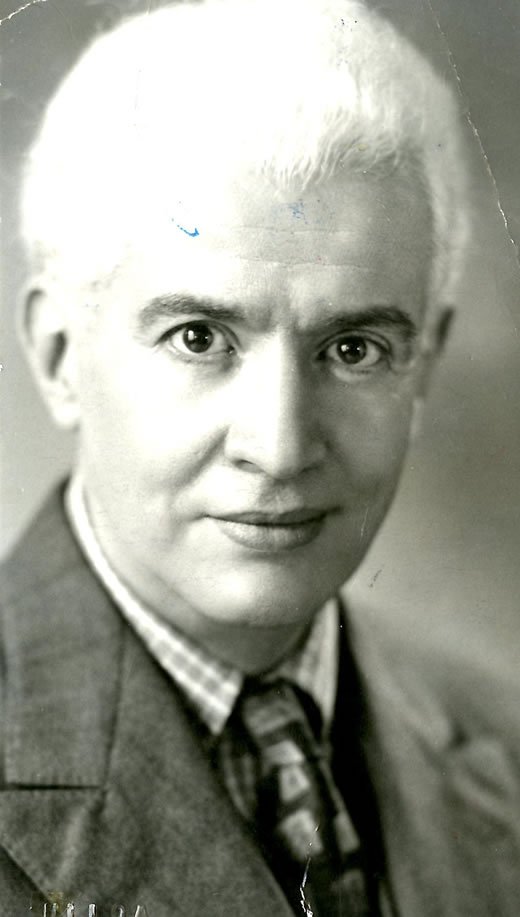
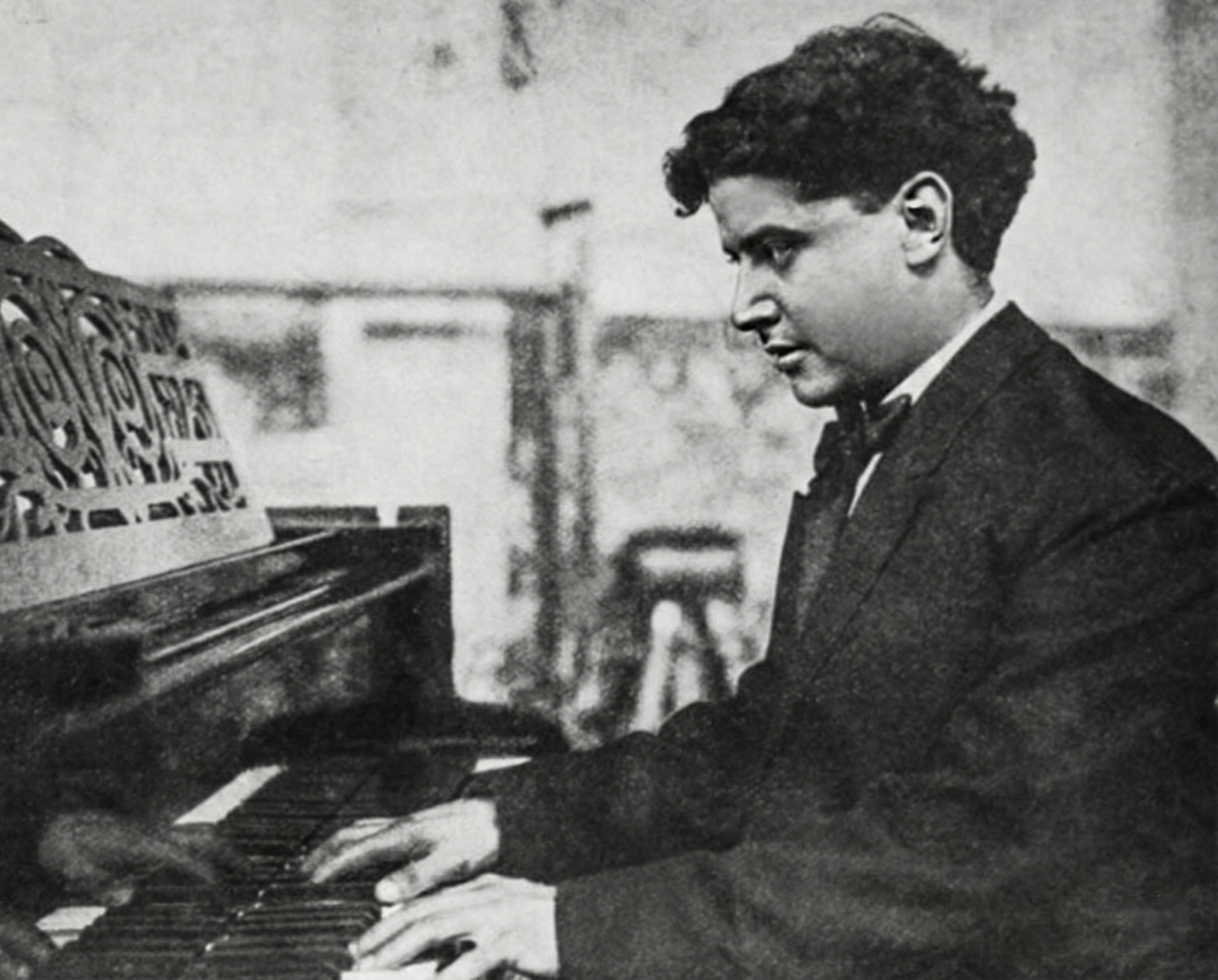
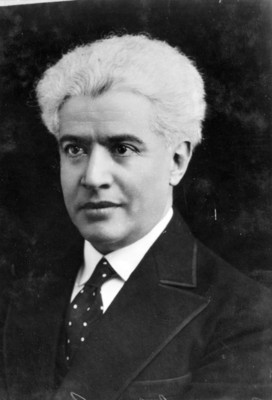
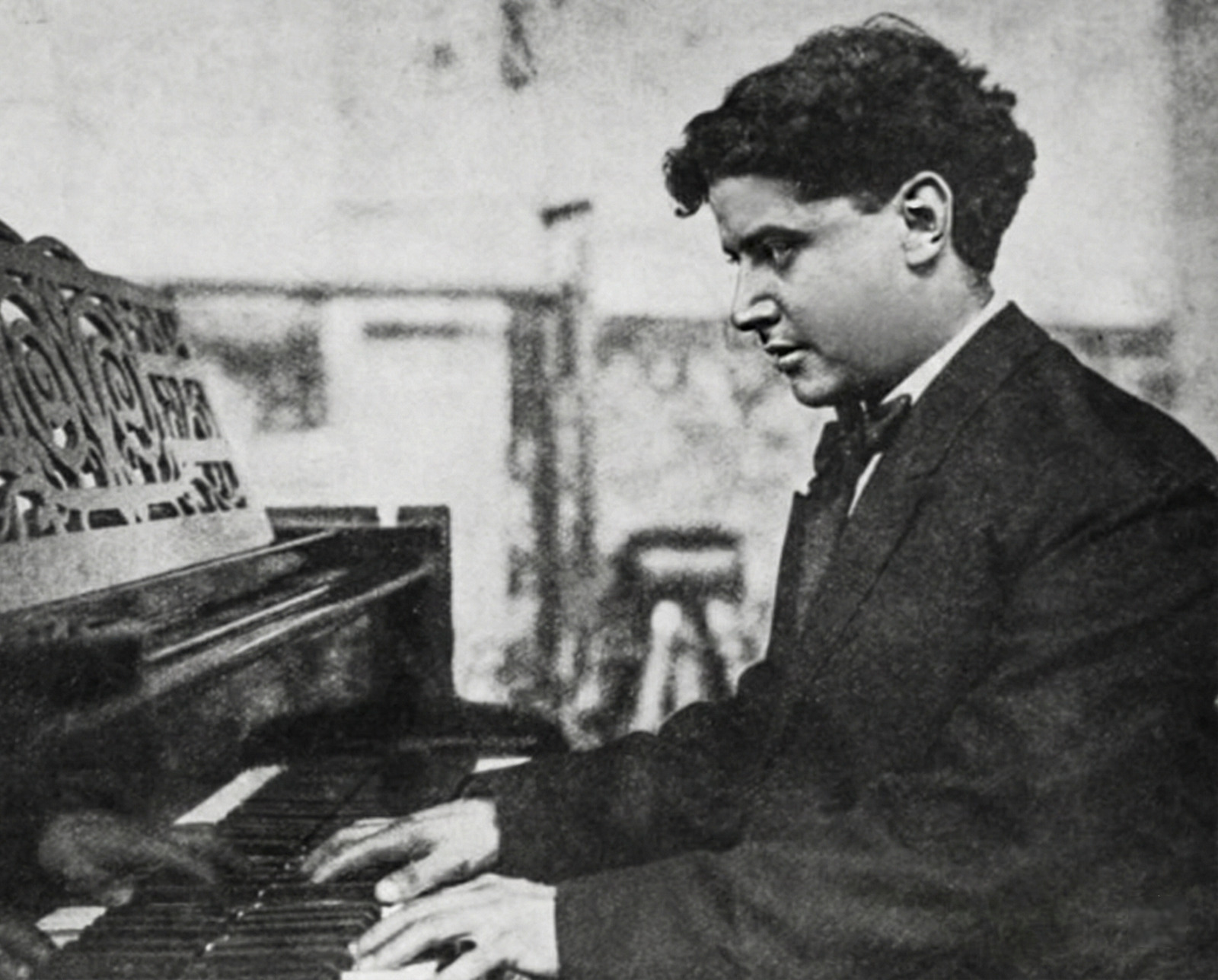
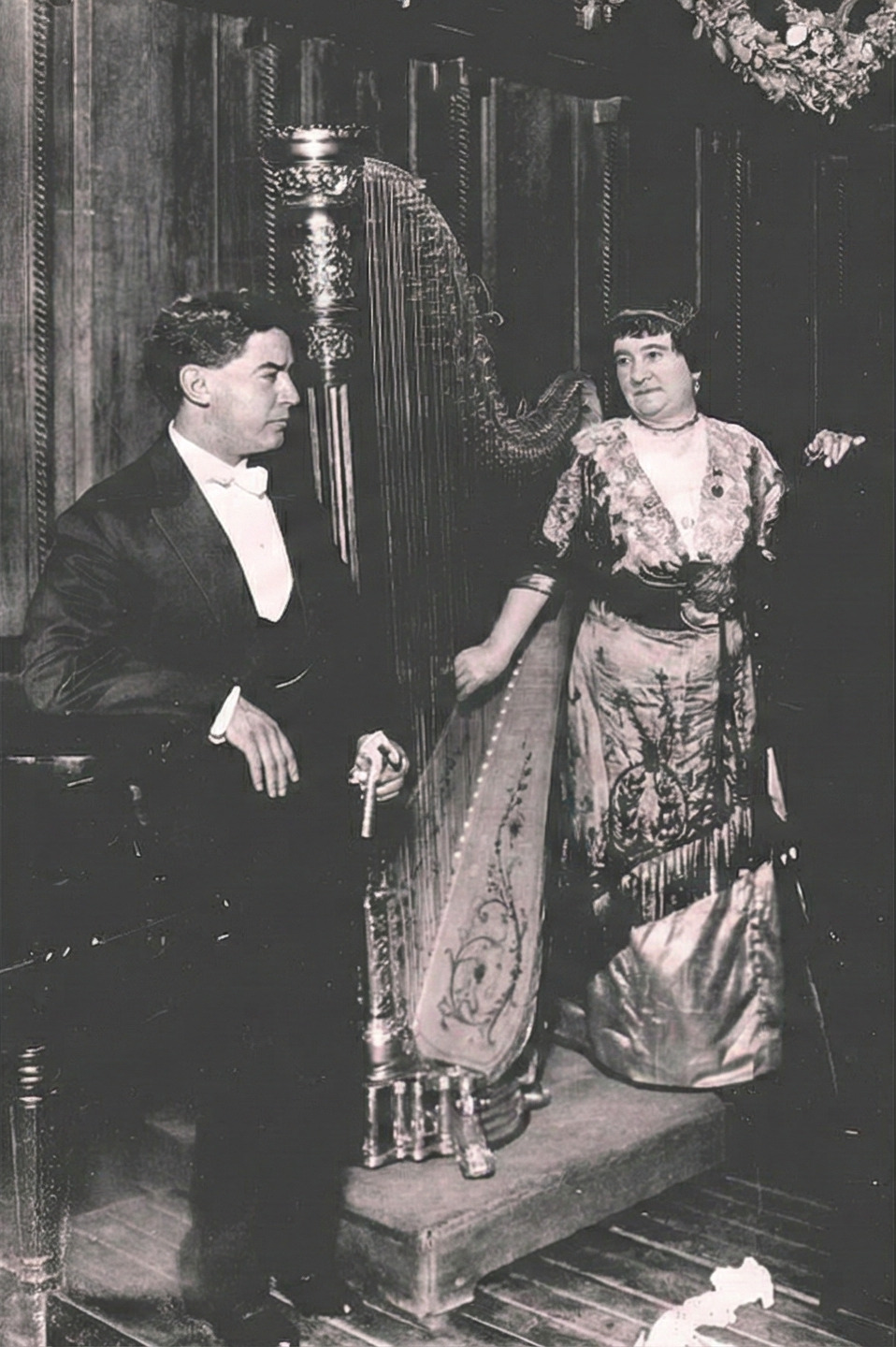
Manuel María Ponce Cuéllar was born in Fresnillo, Zacatecas, on December 8, 1882. He is considered the father of Mexican musical nationalism and one of the most influential Latin American composers of the 20th century. His work—vast, diverse, and deeply emotional—projected Mexican music to the world and opened an artistic path that forever transformed the country's sonic identity.
A Prodigious Childhood in Aguascalientes
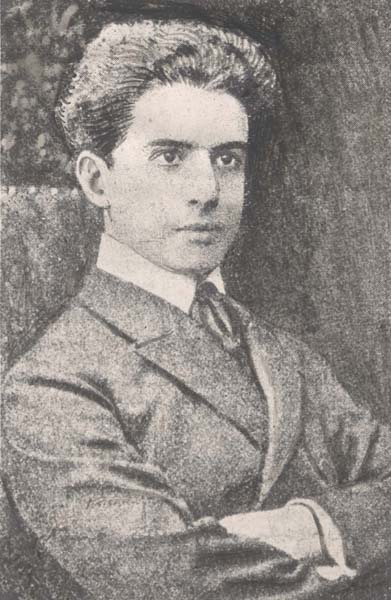
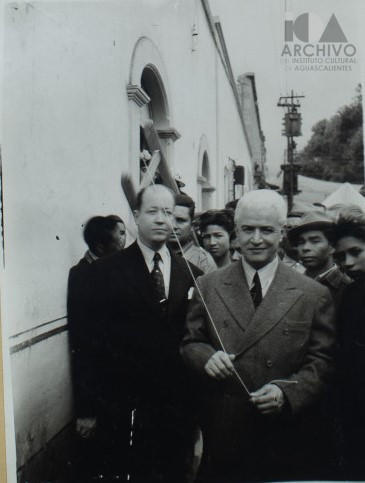
Only a few months after his birth, the Ponce Cuéllar family moved to Aguascalientes, the city where Manuel spent his first fifteen years and where he began to reveal himself as a musical prodigy. It is said that before turning four, he listened to the piano lessons his sister Josefina was receiving, approached the instrument, and played one of the pieces from memory. From that moment on, his parents placed him under the guidance of his sisters—both pianists and teachers—and the master Cipriano Ávila.
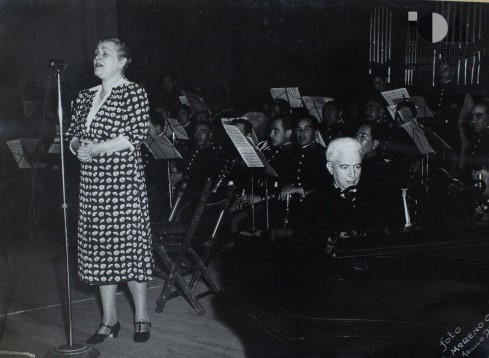
Aguascalientes did not only train him technically; it also shaped his sensitivity. In the villages and fairs, he listened to the blind singer Sebastiana Rodríguez, whose voice—a mixture of joy and nostalgia—would forever mark Ponce's melodic sense. From her, he learned that Mexican folk music had a soul of its own and that, if refined without losing its essence, it could conquer any stage in the world.
Training and First Travels
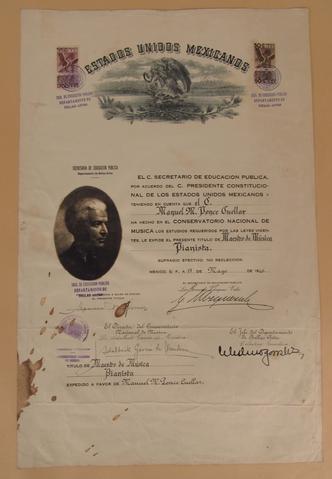
In 1900, he traveled to Mexico City to continue his studies with European masters residing in the country. He entered the National Conservatory of Music in 1901 and remained there until 1903. After a brief stay back in Aguascalientes, he embarked on a path of perfection that took him to Europe:
•Italy (1904): He studied at the Liceo Musicale in Bologna with Enrico Bossi and Luigi Torchi.
•Germany (1906–1908): He specialized with Martin Krause, a direct disciple of Franz Liszt.
•Return to Mexico: Ponce taught classes, composed, and established himself as a pianist.
•In 1909, he wrote Malgré tout, a piano piece for the left hand dedicated to the sculptor Jesús F. Contreras.
The Birth of Musical Nationalism (1912)
The year 1912 marked a turning point in the musical history of the country. Ponce composed his most famous work, Estrellita, which he himself defined as "living nostalgia":
"In it, I gathered the murmur of the cobblestone streets of Aguascalientes, the dreams of my night walks in the moonlight, the memory of Sebastiana Rodríguez."
That same year, at the Arbeau Theater, he offered a Concert of Mexican Popular Music—scandalous to defenders of European styles, but transcendental for the birth of a nationalist aesthetic. With melodies such as A la orilla de un palmar, Marchita el alma, and La pajarera, Ponce earned the title of "Creator of the Modern Mexican Song."
Artistic Maturity and International Recognition
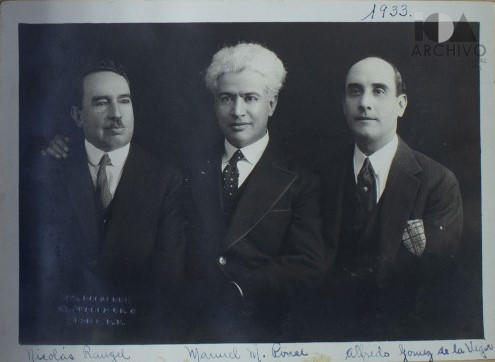
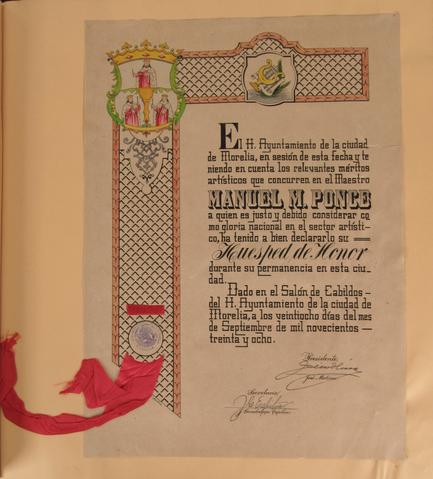
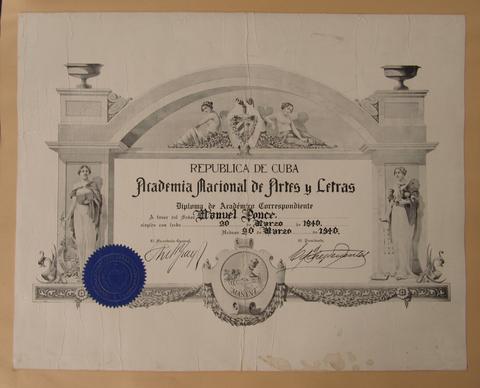
In 1915, he traveled to Havana alongside the poet Luis G. Urbina; there he taught and wrote for the press. Upon his return to Mexico, he was the director of the National Symphony Orchestra of Mexico (1918–1920). Shortly after, he traveled to Paris, commissioned by UNAM and the SEP, to study with Paul Dukas, perfecting his composition skills.
From the 1930s onward, his prestige grew even further. He held positions such as:
•Director of the National Conservatory of Music.
•Inspector of the Music Section of the INBA.
•Advisor to the National Symphony Orchestra of Mexico.
•Founder of the Seminary of Mexican Culture.
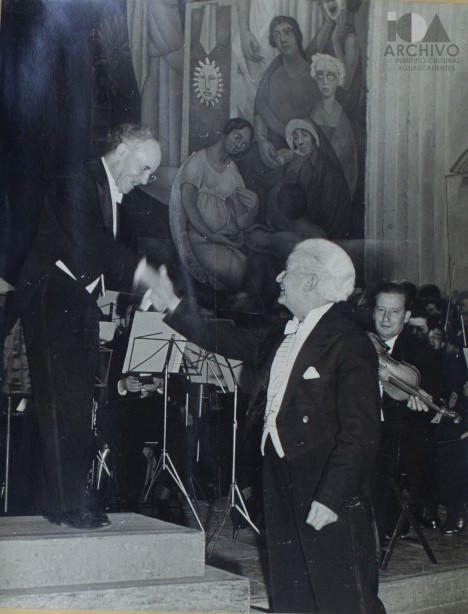
•In 1947, he received the National Prize for Sciences and Arts, becoming the first musician to obtain it.
The Guitarist Who Didn't Play the Guitar
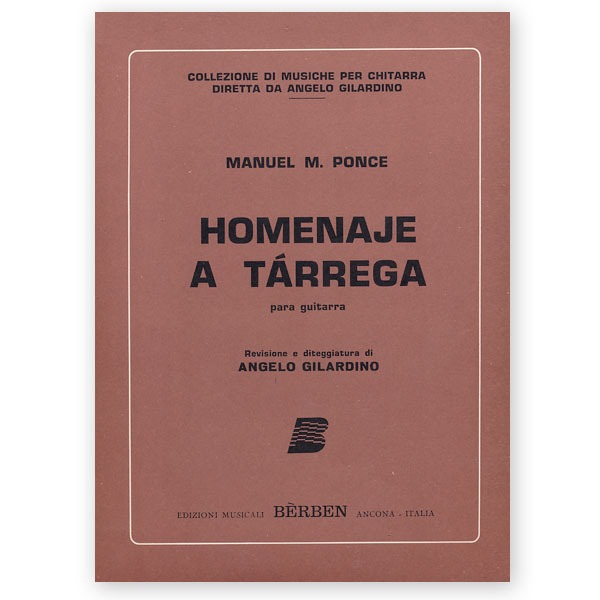
Although Ponce was not a guitarist, he mastered the instrument thanks to his close friendship with Andrés Segovia, for whom he composed works that are now essential to the universal repertoire. Among the most outstanding:
•Concierto del Sur (1941)
•Variations and Fugue on La Folía (1929)
•Sonatina meridional (1939)
•Sonata clásica, Sonata romántica, and Sonata III
•24 Preludes, Suite in A minor, Estudio en trémolo, among many others.
His guitar catalog is so extensive that it currently constitutes a pillar of the global academic repertoire.
Works for Piano and Other Genres
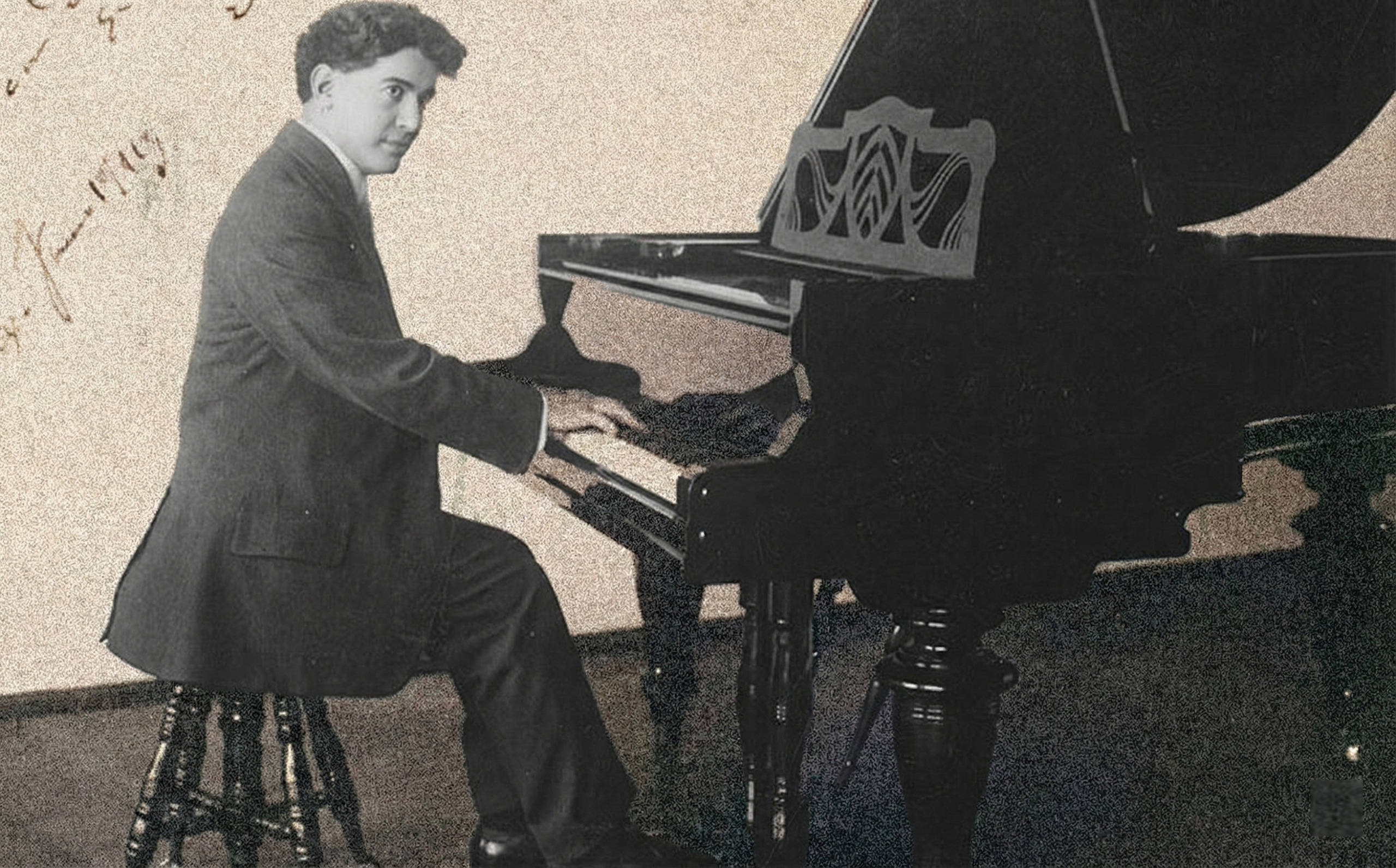
A disciple of Krause and heir to the Liszt tradition, Ponce was also a formidable pianist. Among his notable works are:
•Piano Concerto No. 1 "Romántico".
•Balada mexicana.
•Rapsodia mexicana.
•Mazurkas, Intermezzos, Concert Studies, Gavottes, Suite cubana, and many more.
He also composed orchestral music, chamber music, songs, choral cycles, and operas—some unfinished. His catalog is immense, and even today, part of it remains lost or uncataloged.
Style, Thought, and Aesthetic Legacy
Manuel M. Ponce believed that the composer should elevate Mexican popular music, beautifying it without making it vulgar, and turning it into art. He preferred musical mestizaje (blending) over indigenist radicalism, seeking an aesthetic where national identity coexisted with European refinement.
For many, his nationalism is sentimental and geographic: a profound evocation of the Mexican soul.
The End of His Life
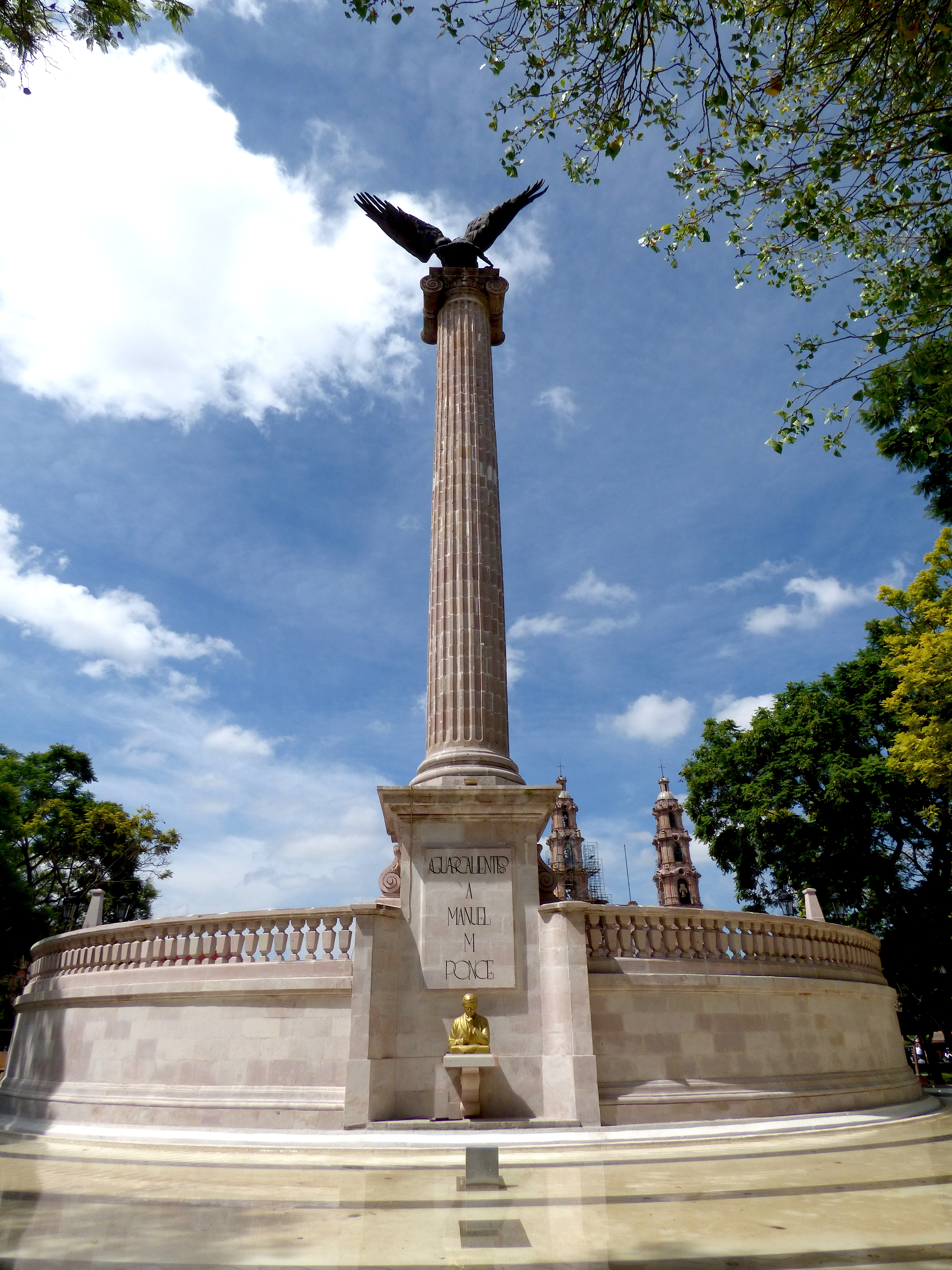
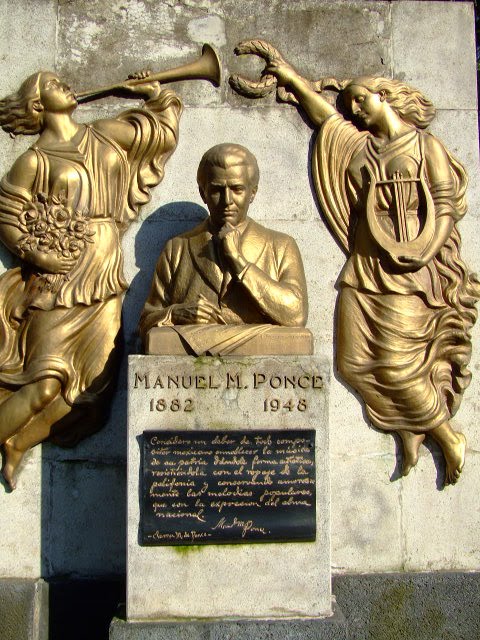
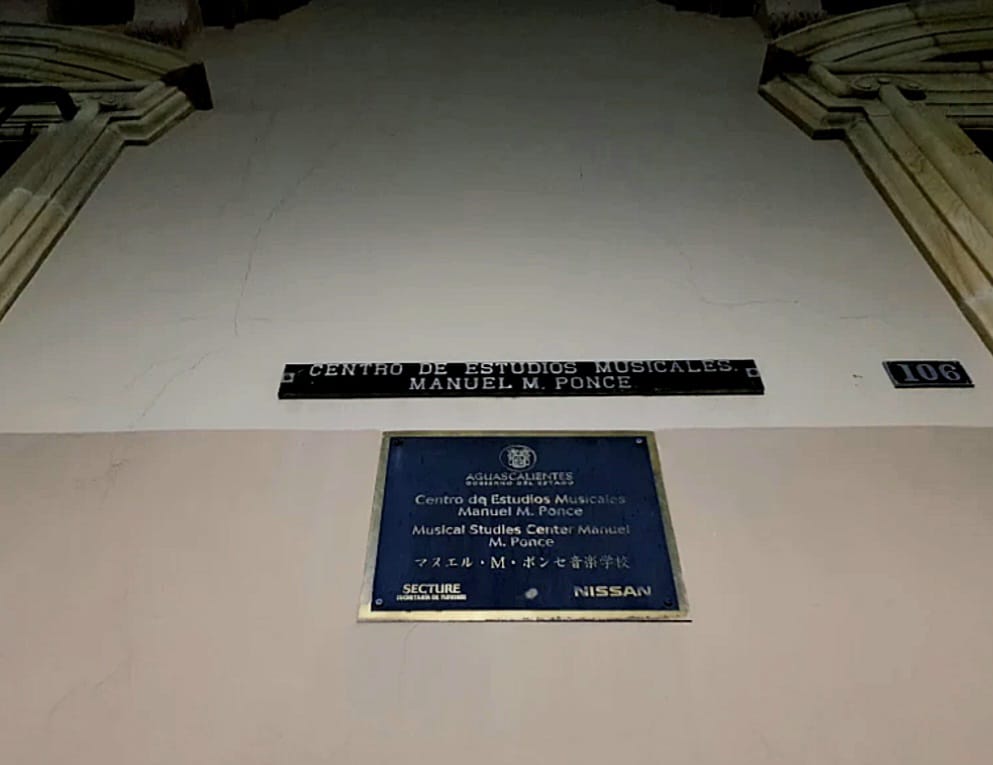
Manuel M. Ponce died in 1948 in Mexico City. In 1952, his remains were moved to the Rotunda of Illustrious Persons. In Aguascalientes, a plaque in the Exedra honors his memory; in squares, auditoriums, and conservatories across the country, his name lives on.
Although fame arrived, fortune did not: works like Estrellita were erroneously attributed to the public domain because they were not registered in time.
A Legacy That Keeps Singing
Ponce opened a path that many others traveled later: Carlos Chávez, Silvestre Revueltas, Blas Galindo, and generations of musicians who found inspiration in his ideas. He was the first Mexican composer whose name resonated in Europe, the United States, and Latin America.
His music—nostalgic, luminous, profoundly Mexican—continues to be performed in every corner of the world.