Gabriel Fernández Ledesma
Birth:
Death:
Occupation:
Awards:
Gabriel Fernández Ledesma was born at the beginning of the 20th century in a family of liberal intellectuals, he was the brother of the poet and writer Enrique Fernández Ledesma. In 1915, barely a teenager without formal studies at art school, he and his friend Francisco Díaz de León founded in Aguascalientes a group called "Círculo de Artistas Independientes", a space where plastic exhibitions were organized, two years later, in the company of his friend Díaz de León, they started working at the Aguascalientes Railway Station, with the sole aim of getting to know the workers up close and then painting them.
In 1917 he received a scholarship from the government of the State of Aguascalientes to attend the National School of Fine Arts in Mexico City. There he studied with Leandro Izaguirre, Carlos Lazo and Saturnino Herrán. In order to pay for his studies and stay in the city, Gabriel worked as an assistant to a calligrapher and then as a delineator of agricultural property plans for the General Archive of the Nation.
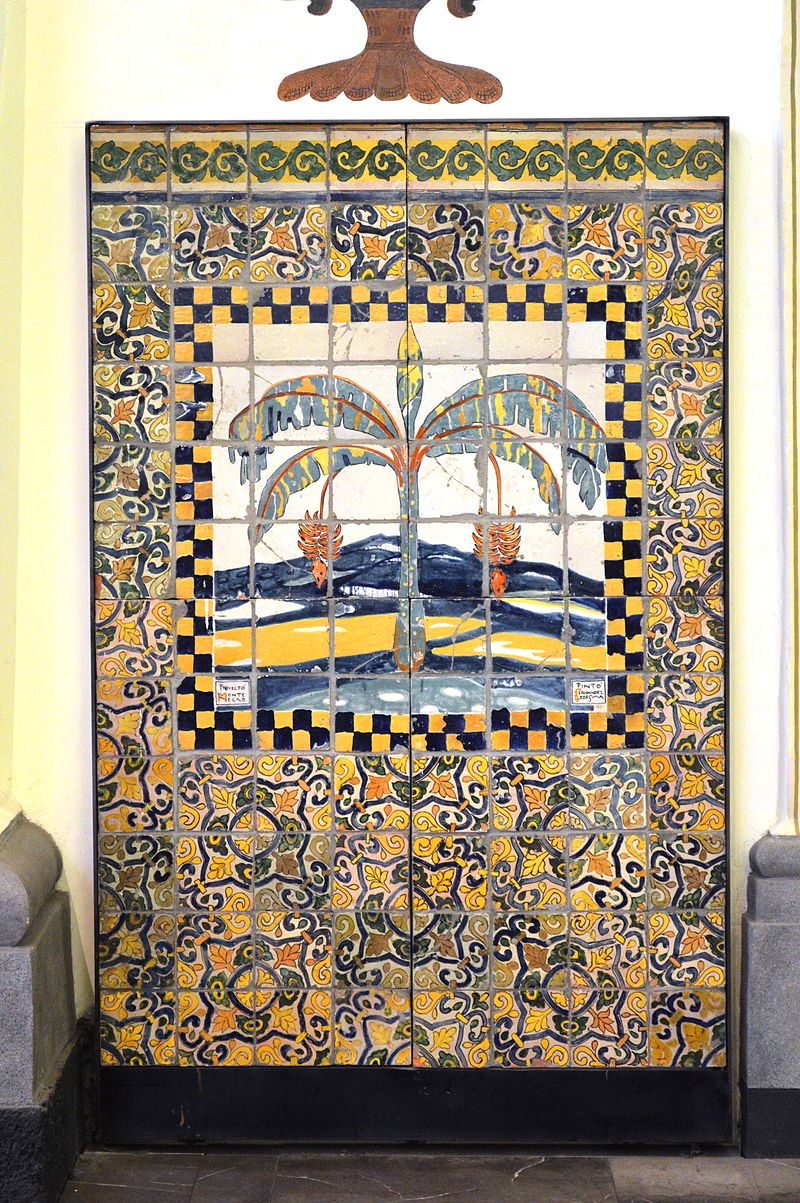
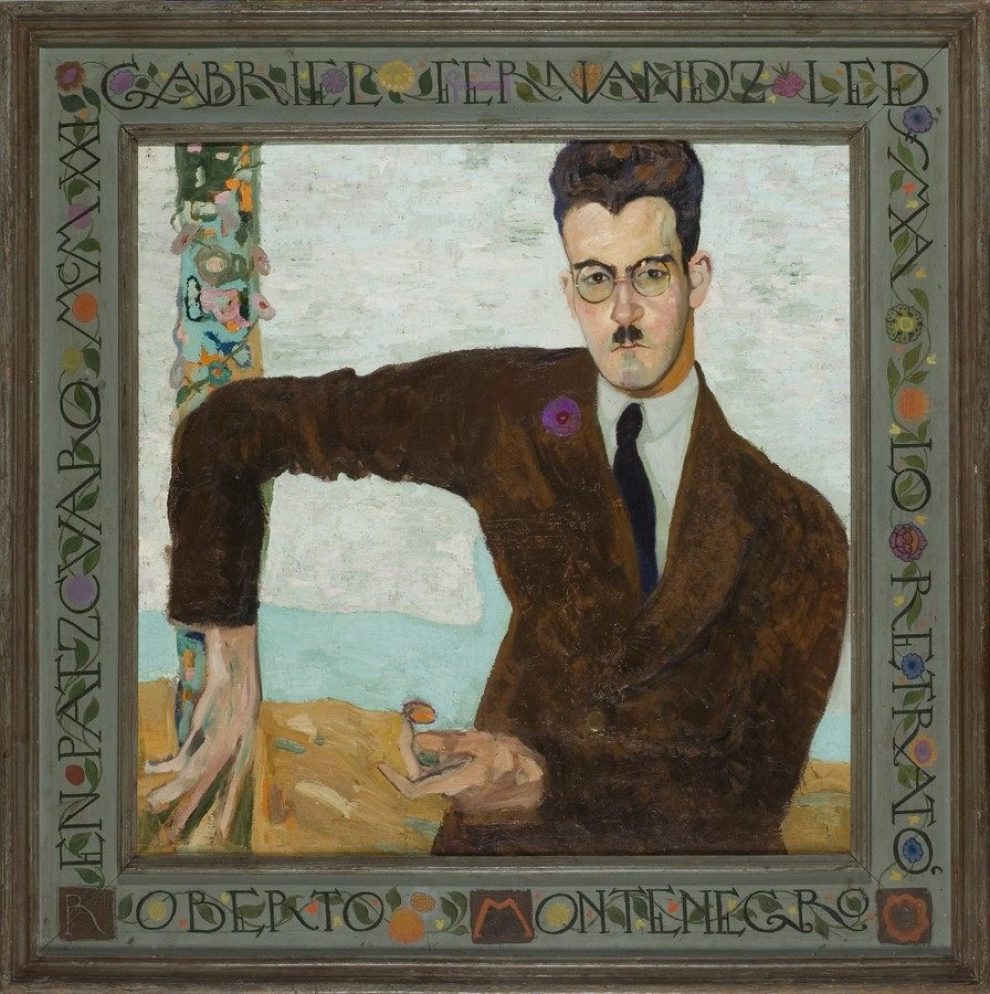
He began his career working on government-related or commissioned projects, often collaborating with or helping Roberto Montenegro. In the 1920s, he was commissioned by the then Minister of Education, José Vasconcelos, to create new tile designs for the church of the former monastery of San Pedro y San Pablo. To fulfill the order, I use the techniques and designs of Talavera tiles.
In 1922 he traveled to Rio de Janeiro as an assistant from Montenegro to design the murals that would decorate the walls of the Mexican pavilion at the Centennial Exhibition of Brazil that year. Upon his return to the country, Education Minister Vasconcelos appointed him artistic director of the Ceramic Pavilion at the Faculty of Chemical Sciences of the National Autonomous University of Mexico.
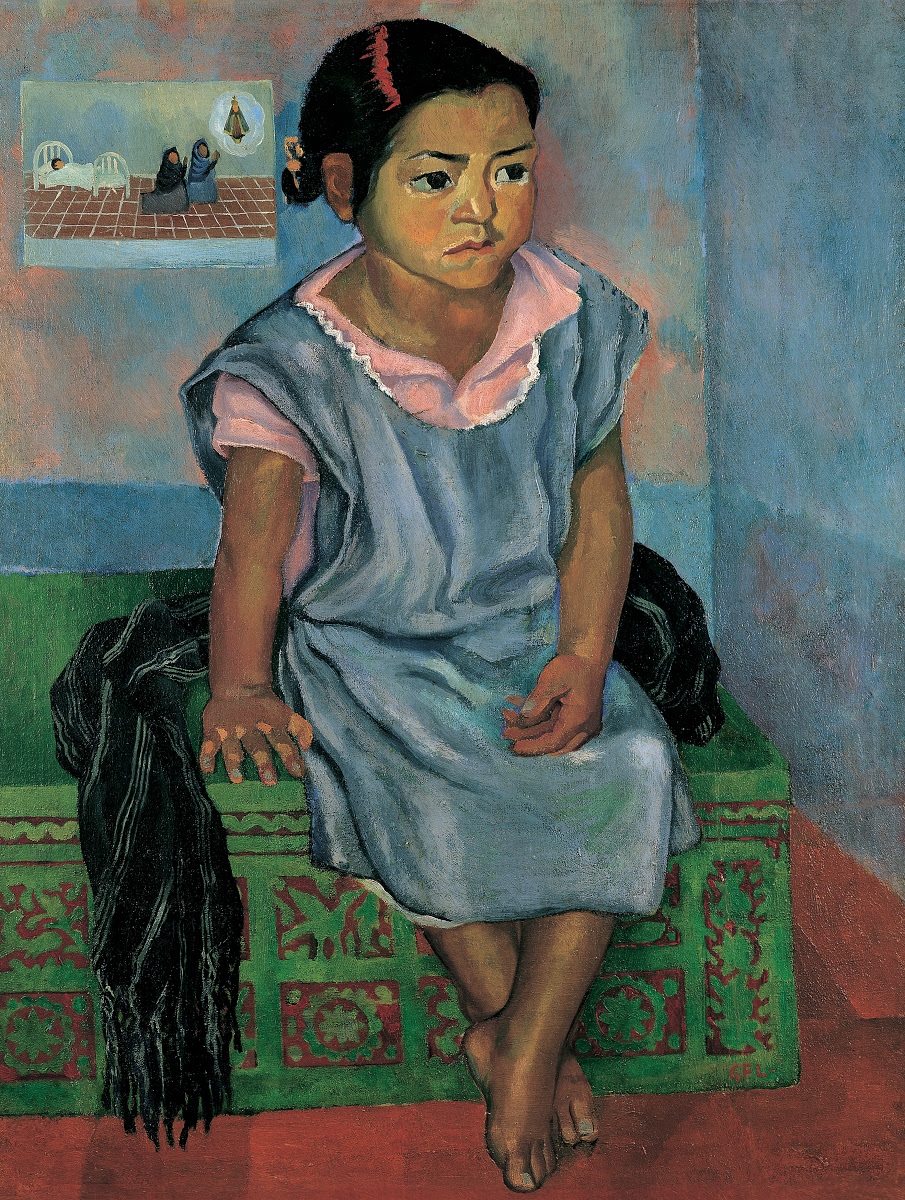
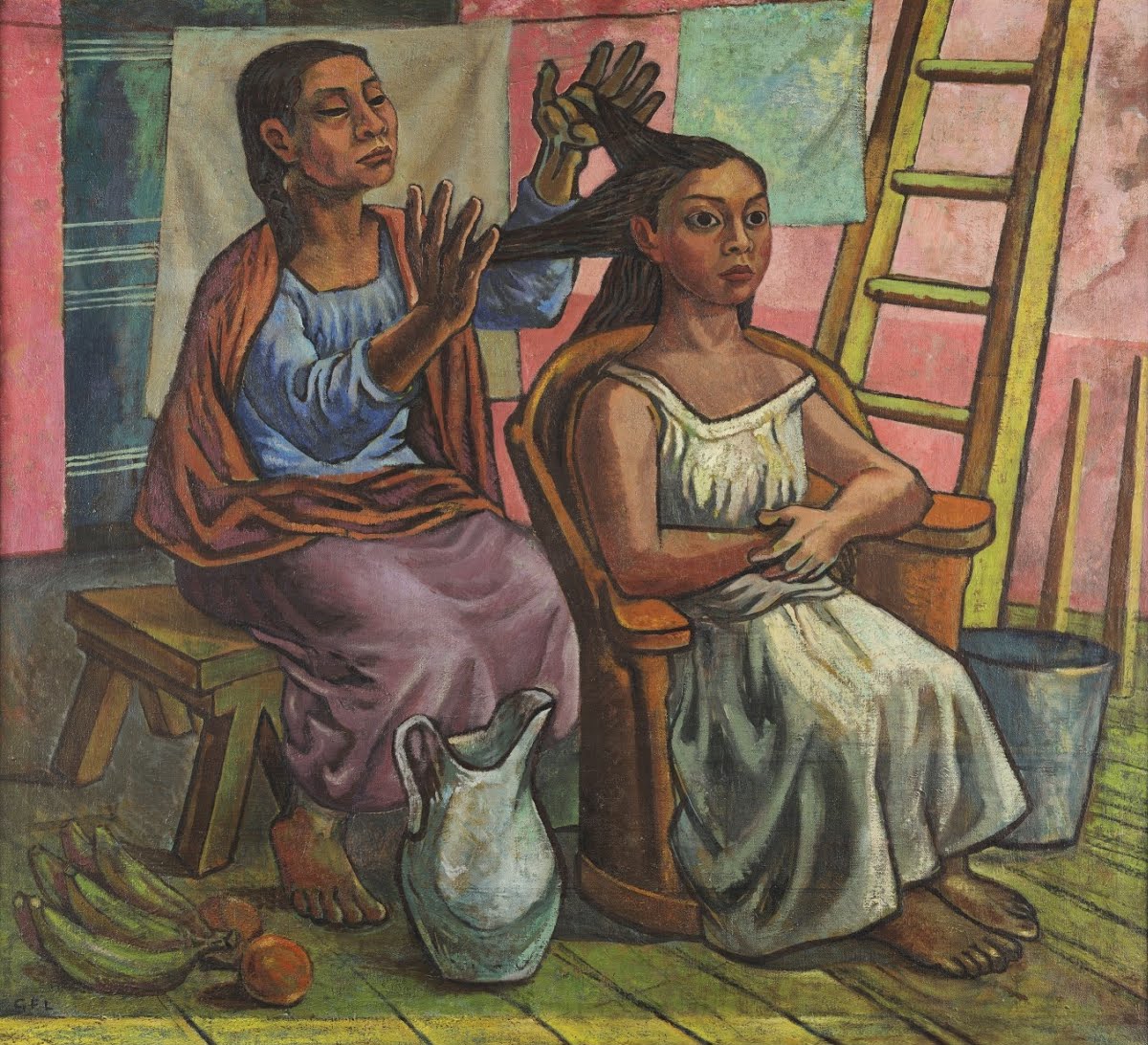
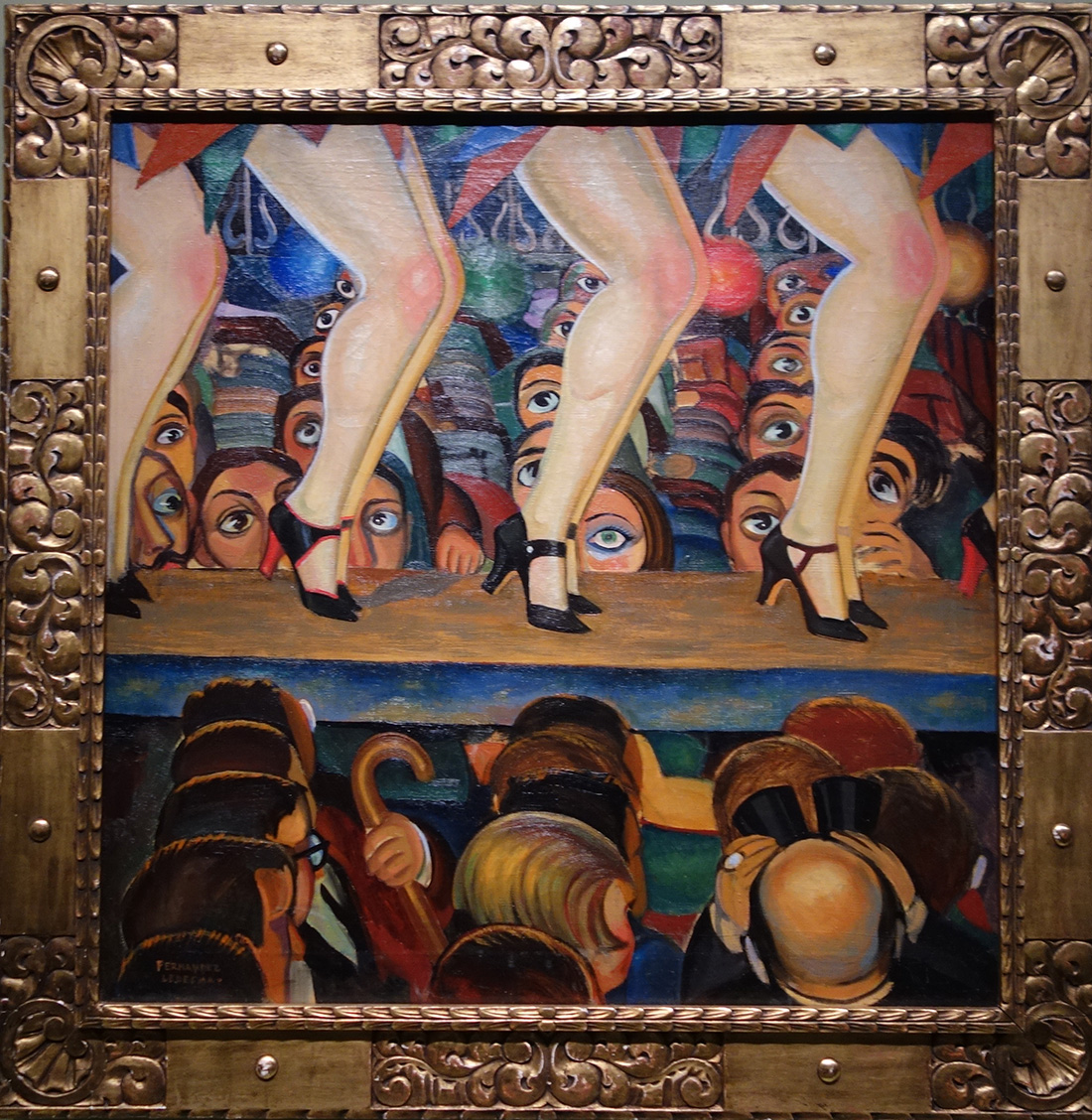
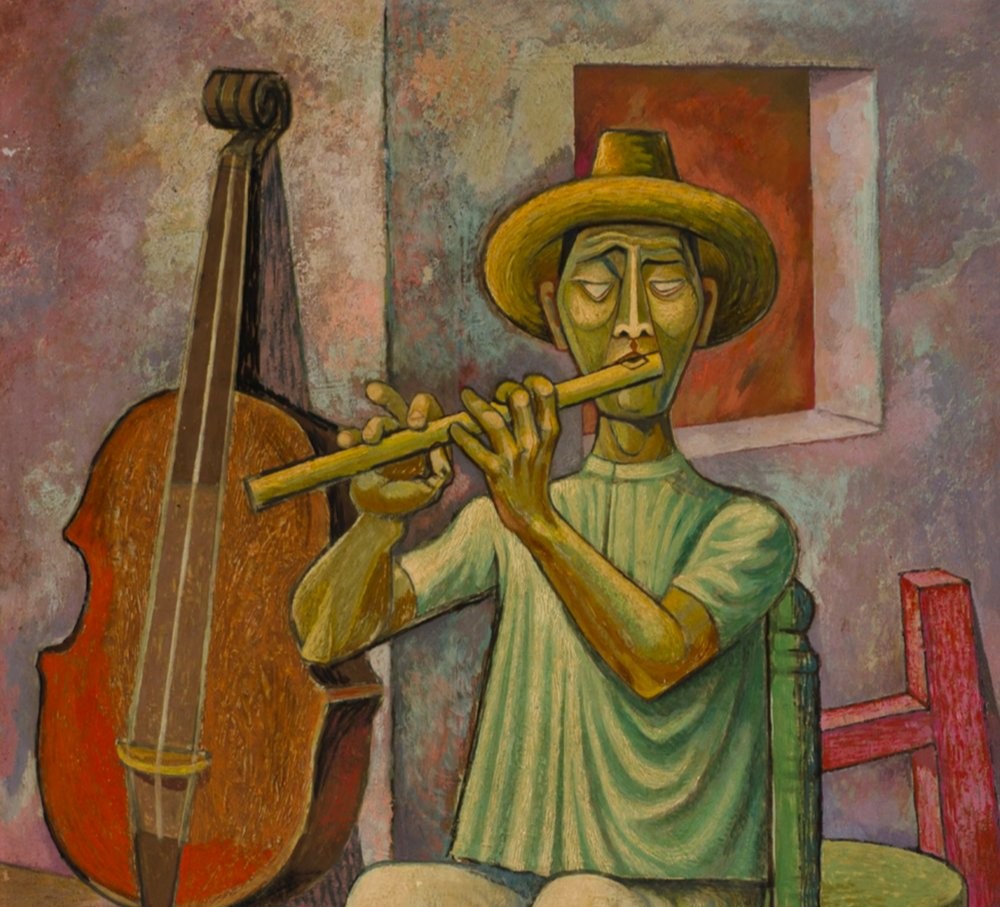
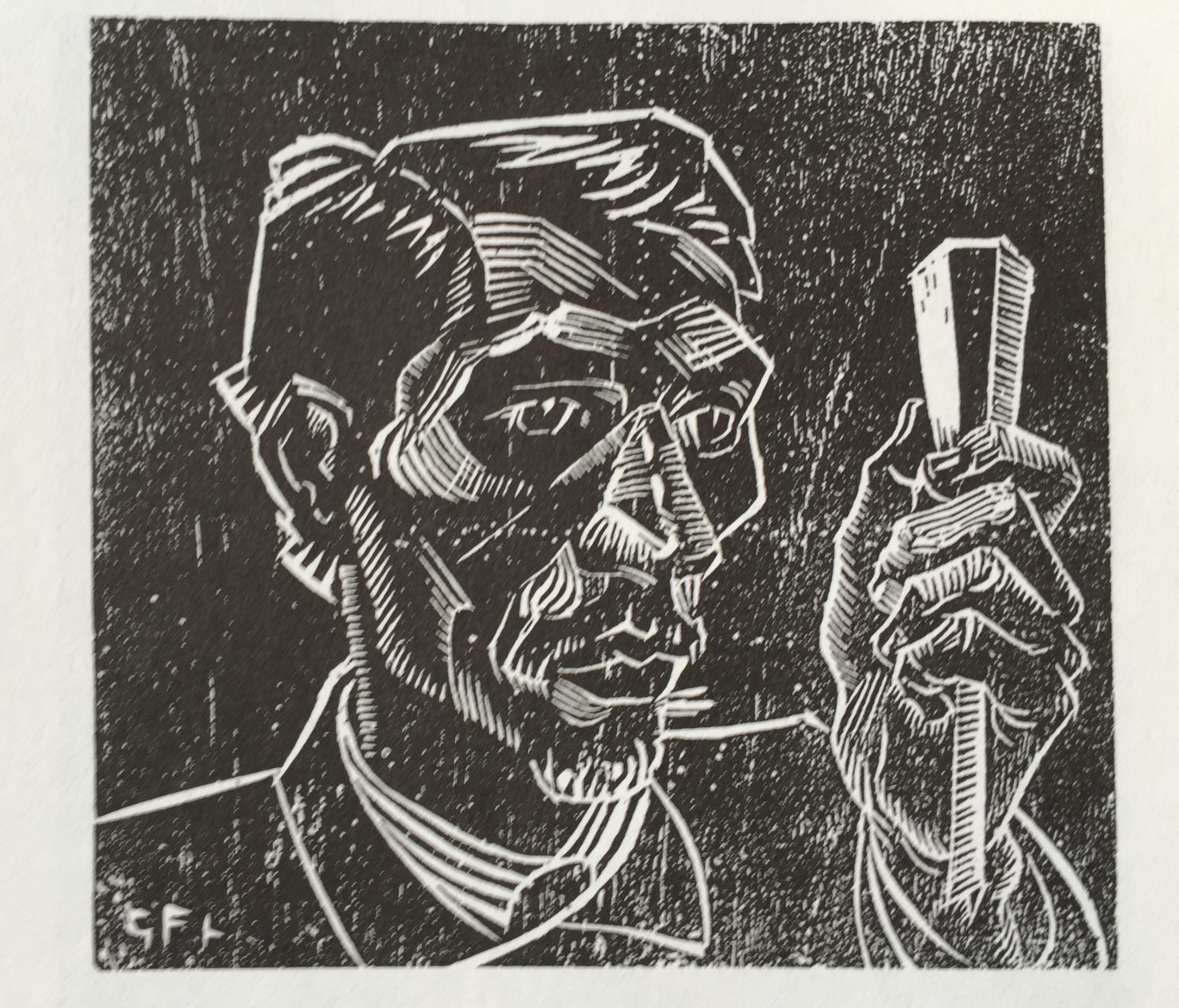
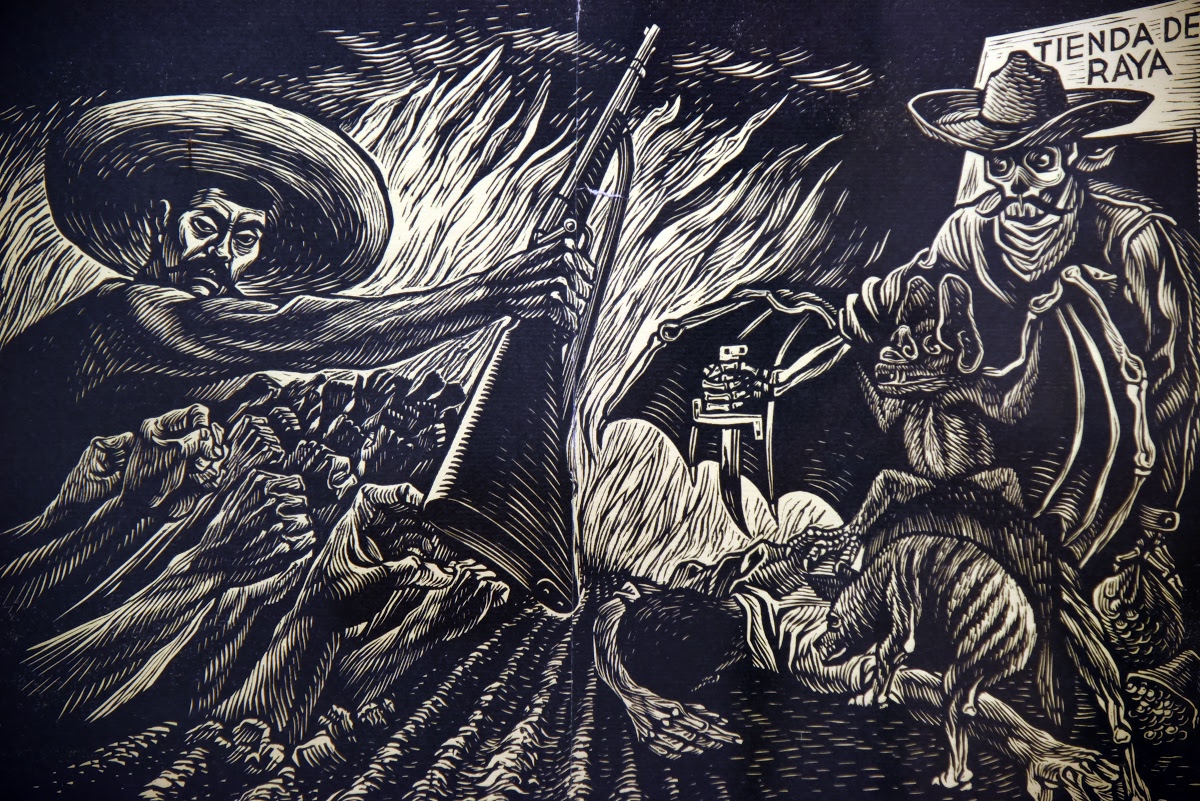
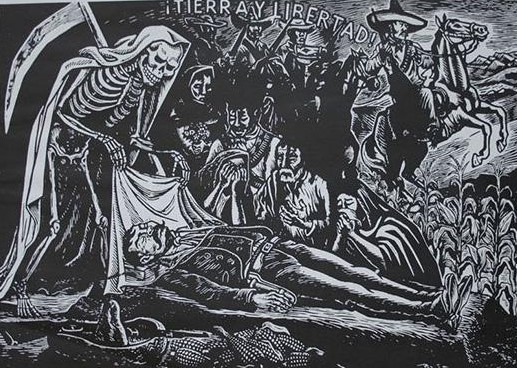
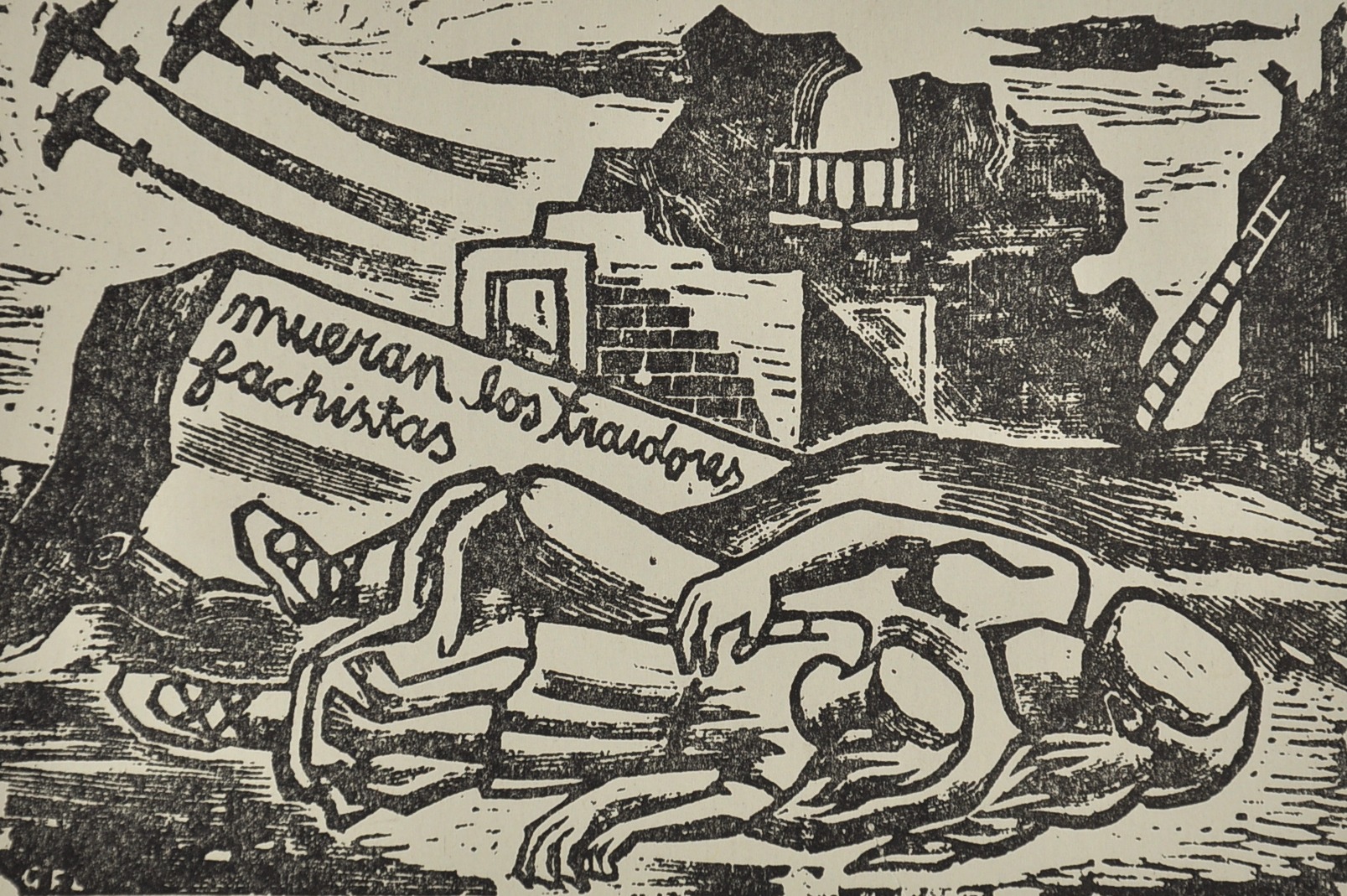
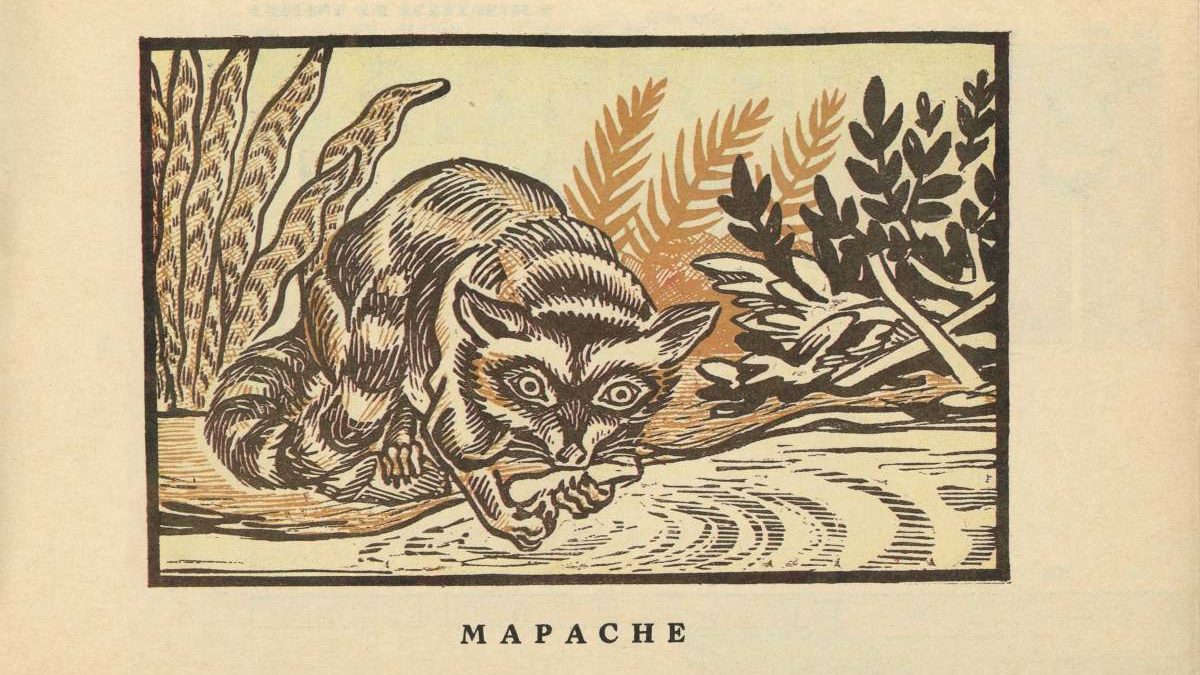
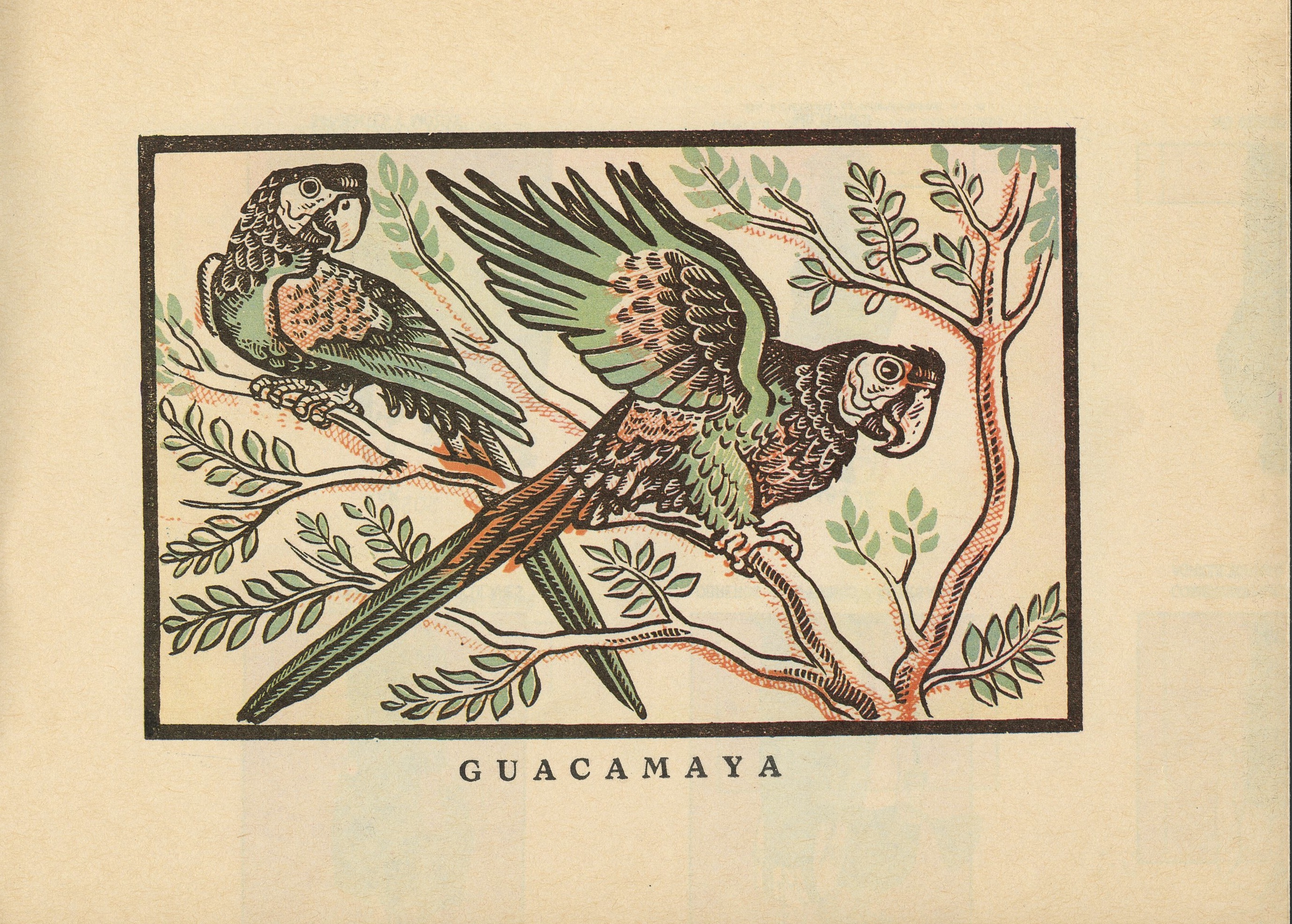
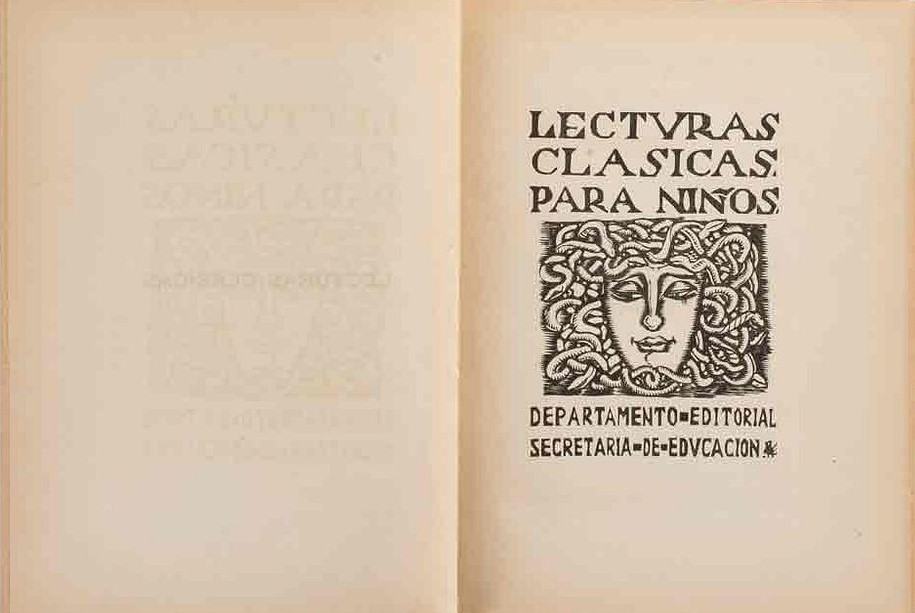
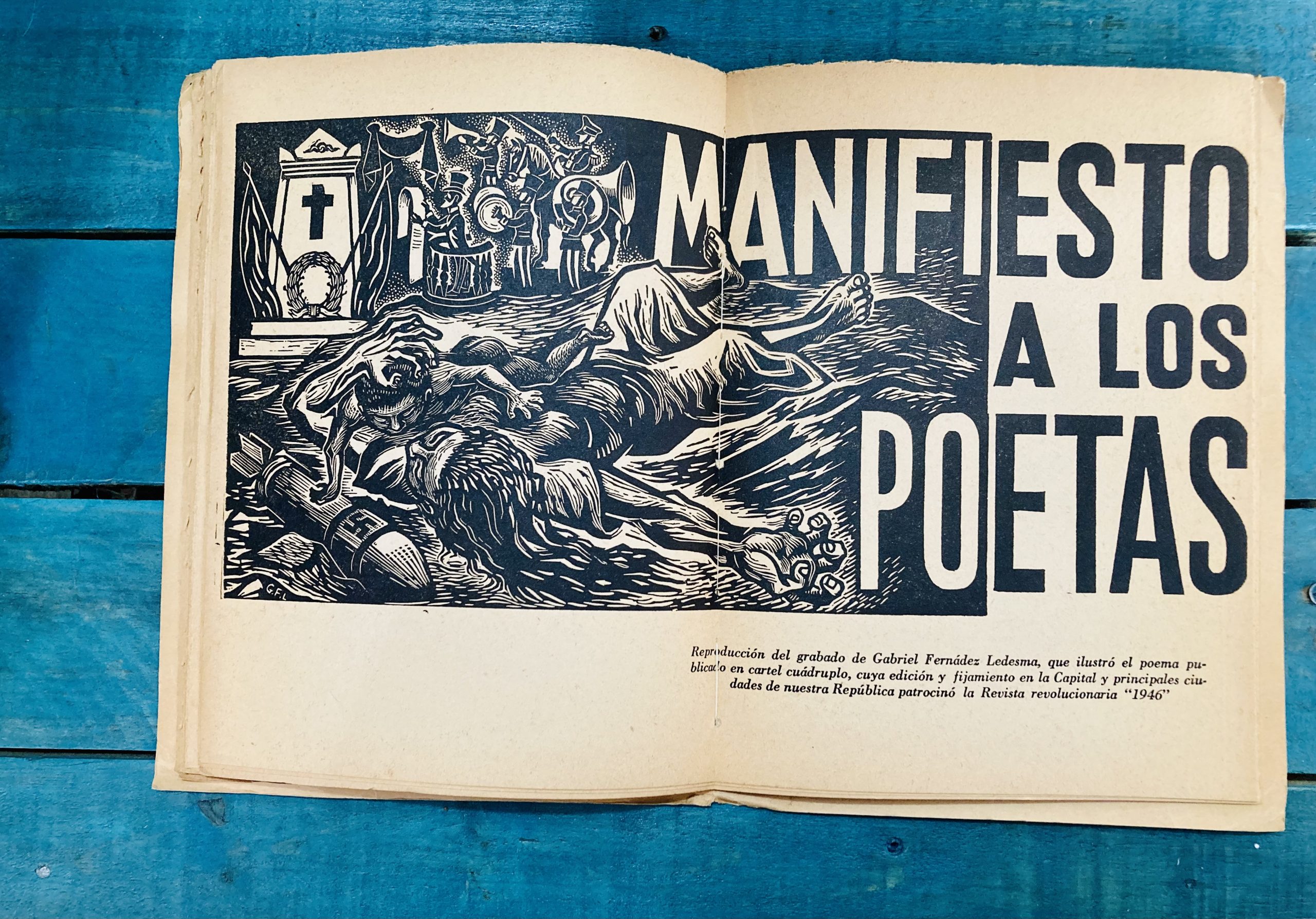
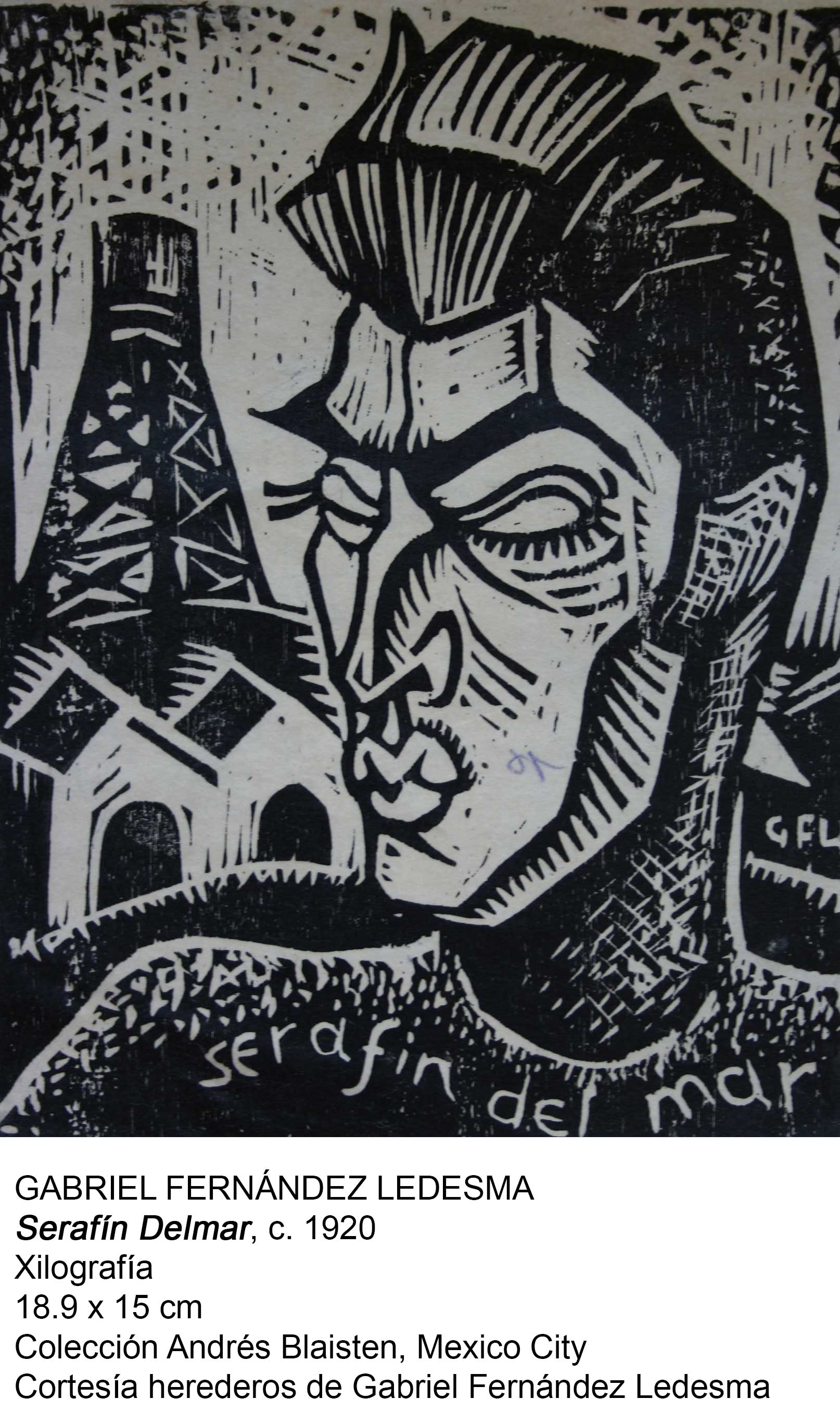
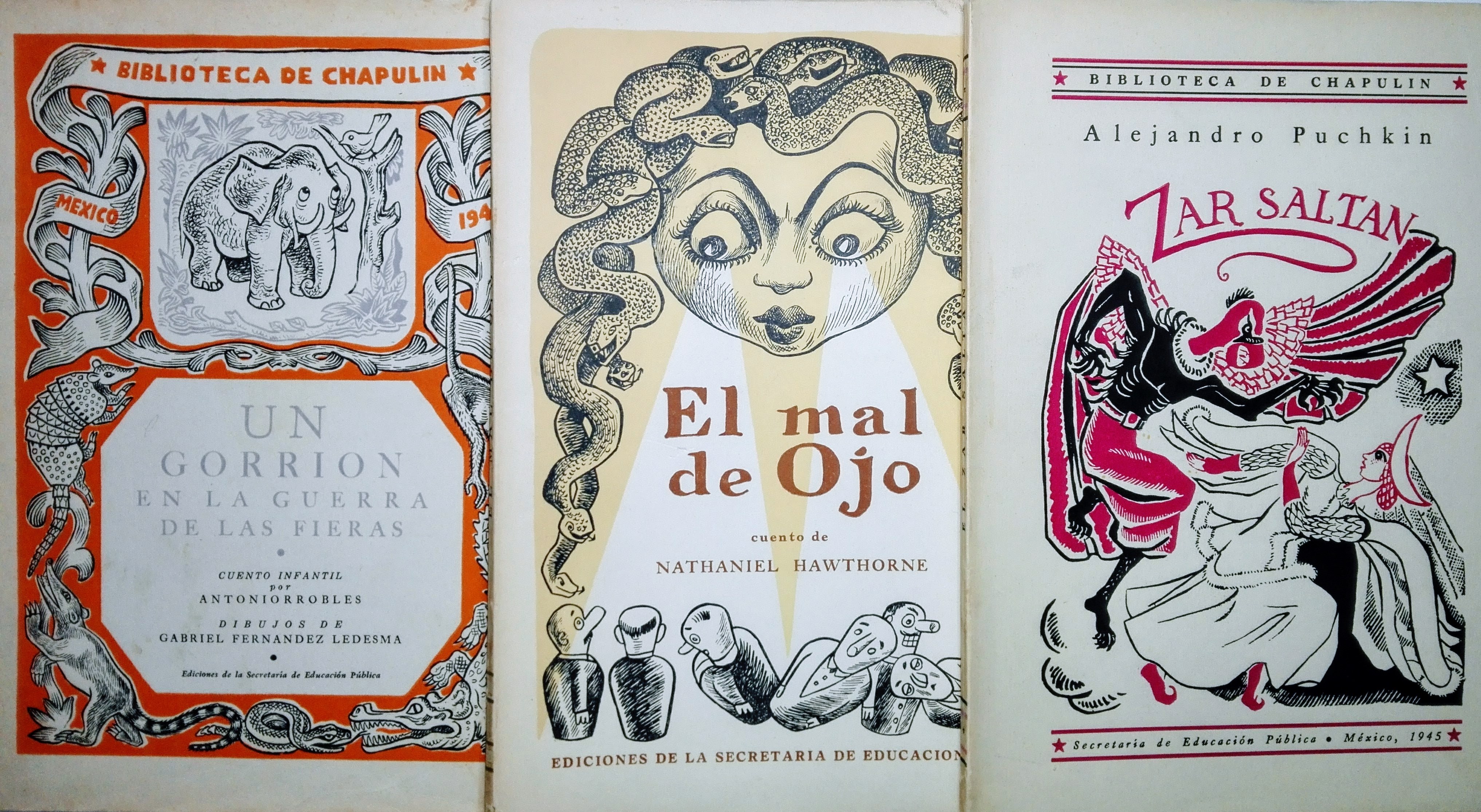
During his entire career, Fernández Ledesma was a painter, muralist, engraver, photographer, writer, editor, designer and researcher of Mexican crafts and popular art. In 1924, again with Montenegro, he illustrated an edition of the book "Classical Readings for Children", contributed to the magazine El Maestro and started a printing workshop to promote the development of engraving in Mexico.
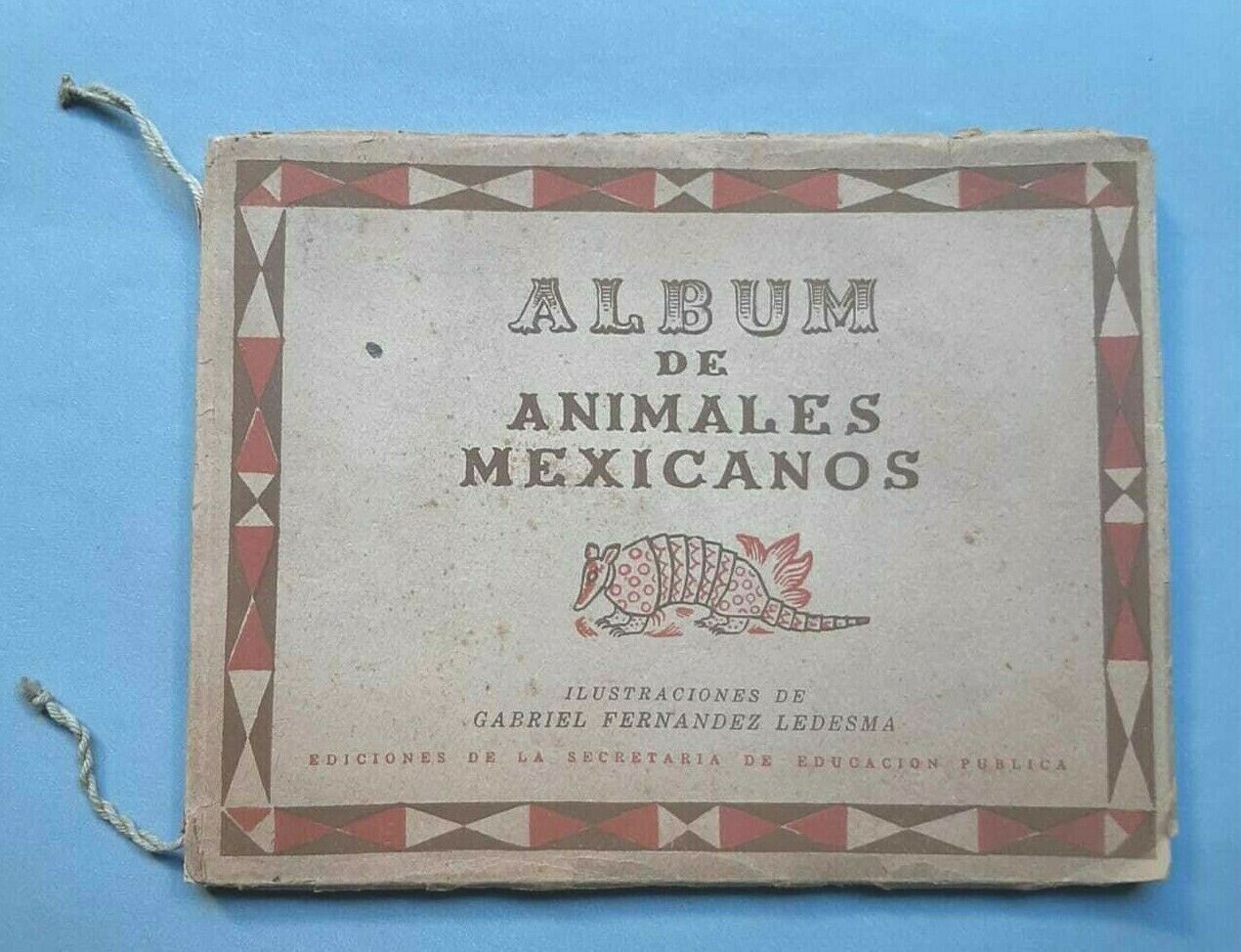
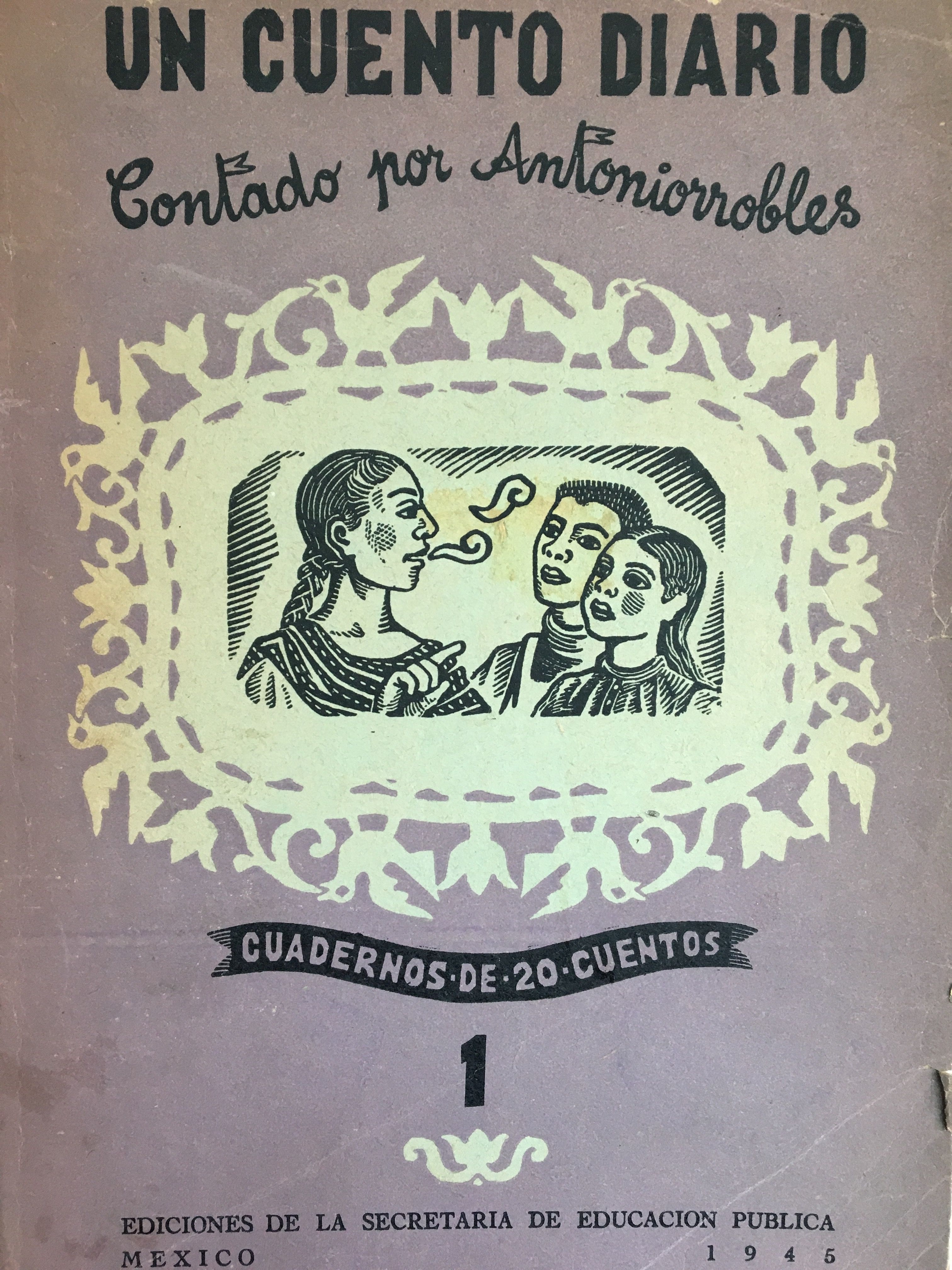
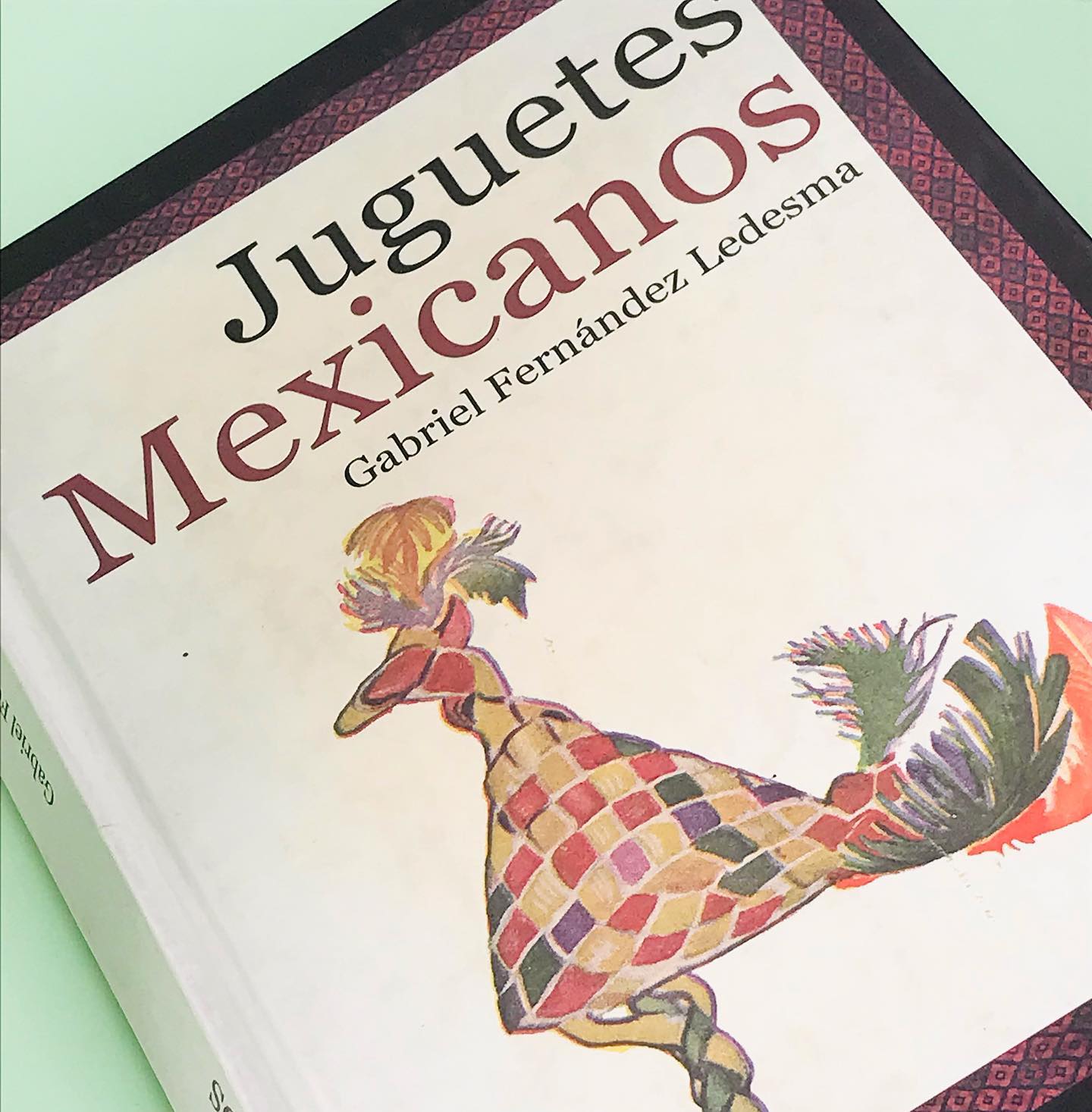
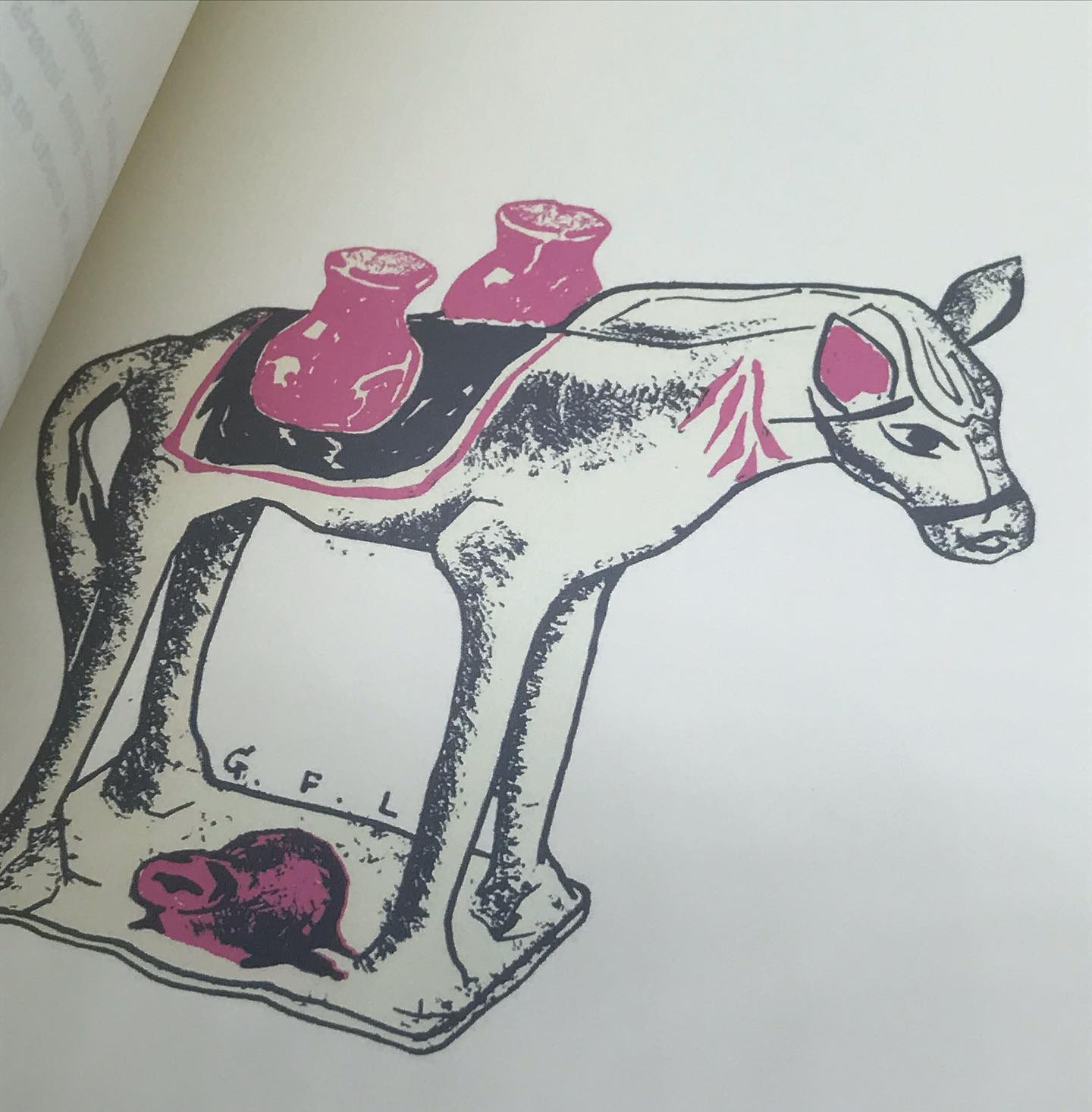
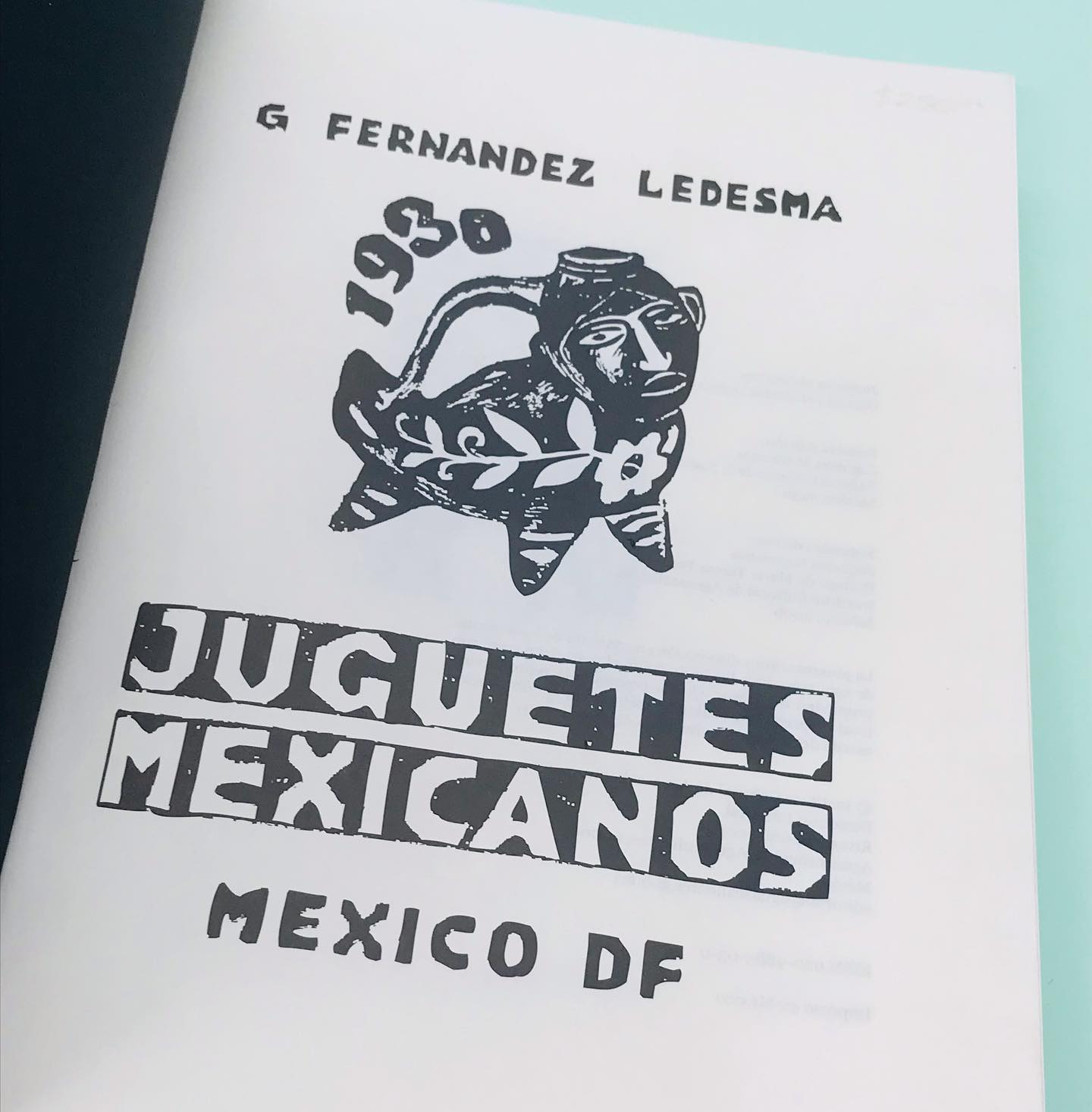
In 1926 he began editing "Forma", a specialized publication on fine arts in Mexico, leading the editorial project for several years. In the 1920s he also worked as an illustrator for the weekly magazine "El Universal Ilustrado", and in 1935 was appointed head of the editorial services of the Public Education Secretariat. Fernández Ledesma edited and published several books on Mexican popular art, including the work "Juguetes Mexicanosin 1929".
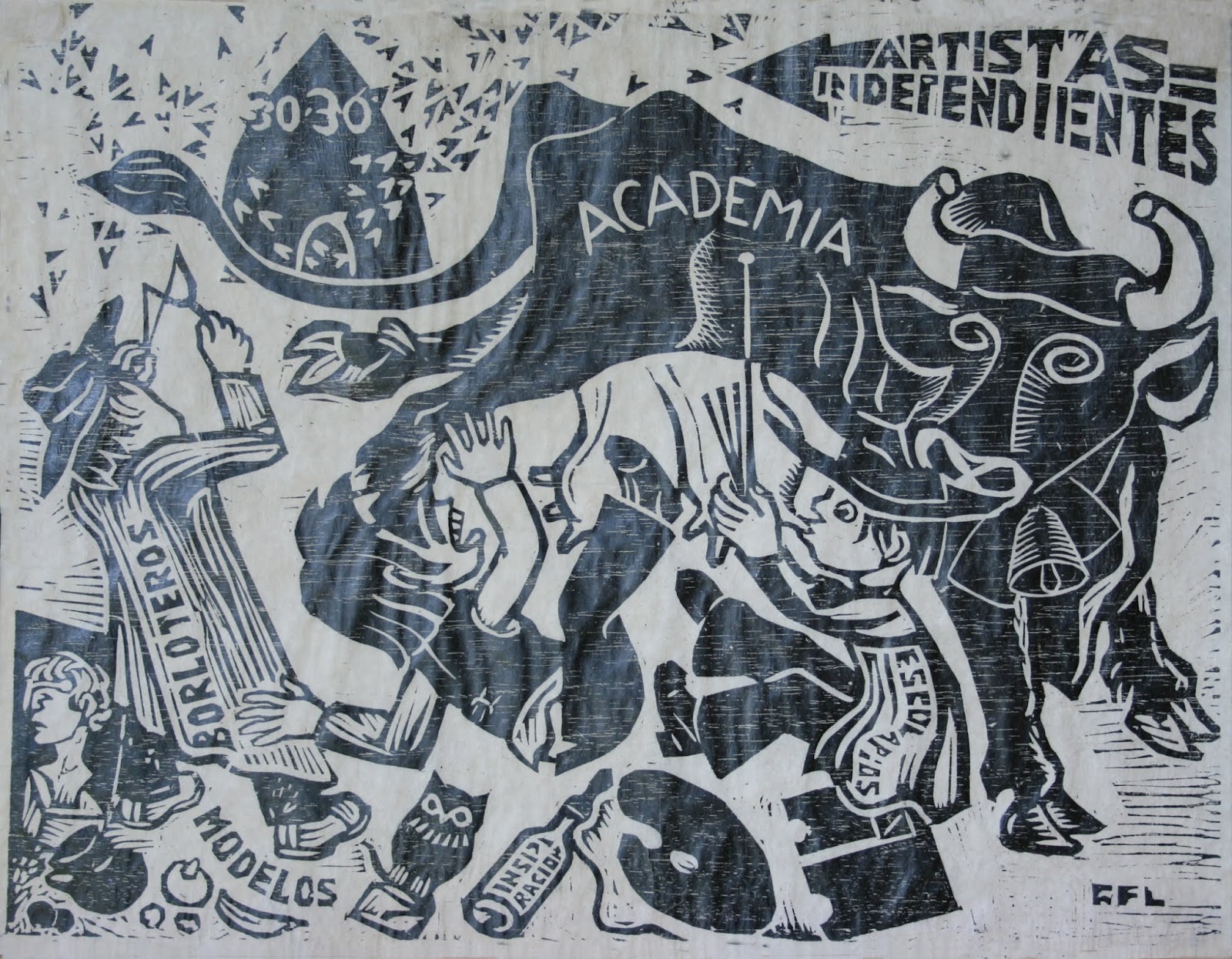
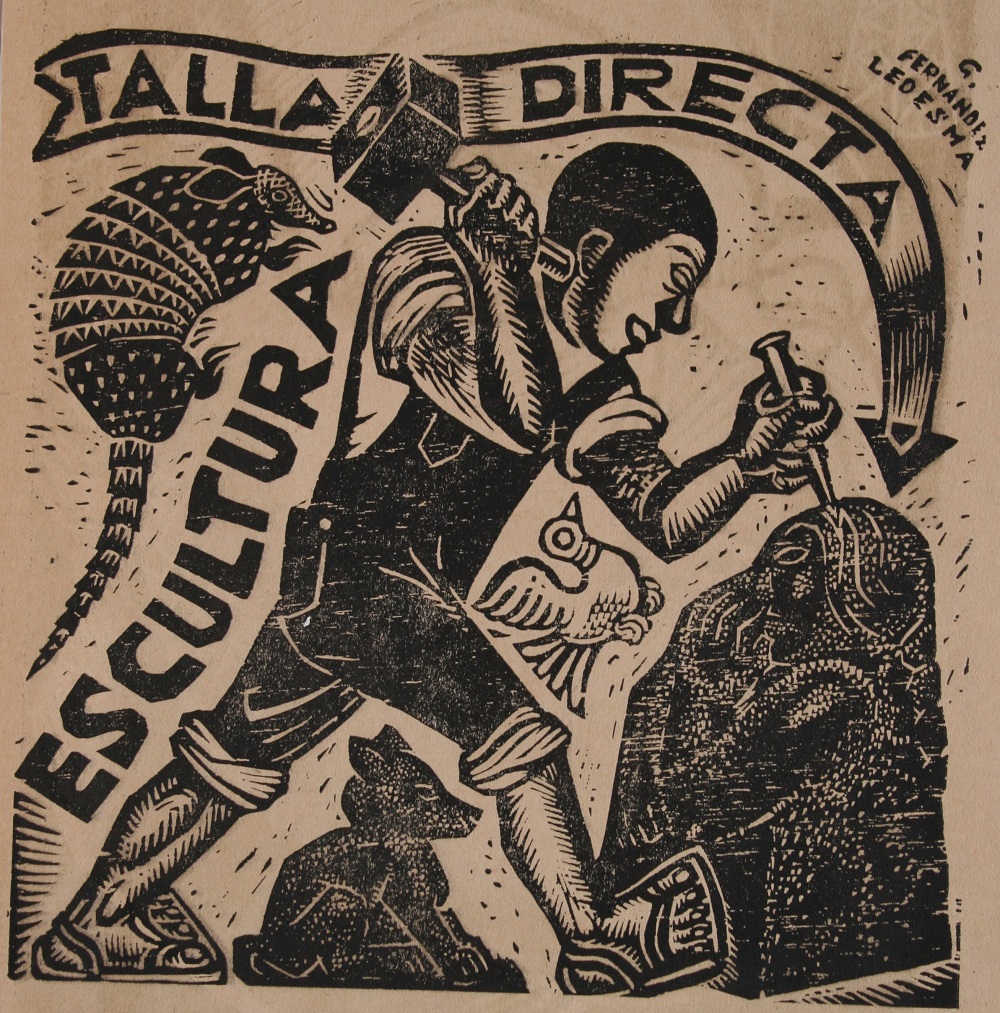
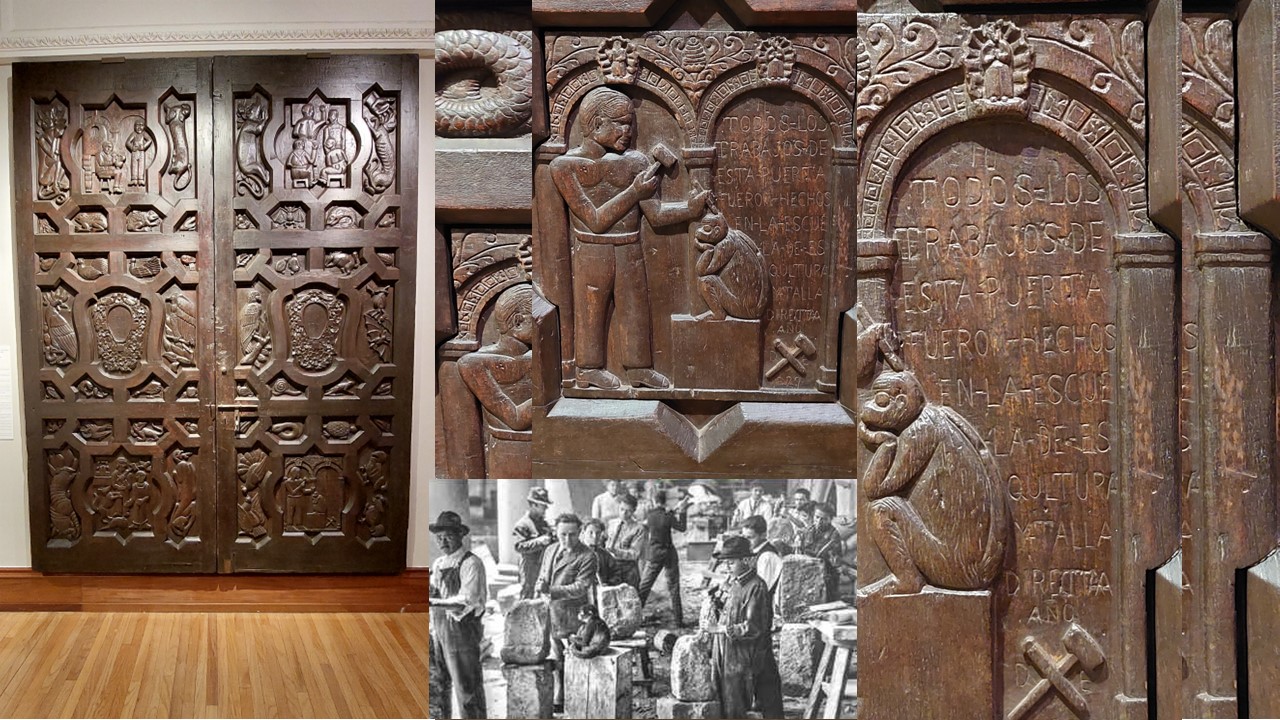
His relationship with art education began in 1925, as a drawing teacher at the Public Education Secretariat, and then in 1926 at the Popular Arts Center. After rejecting the direction of the Schools of Open Air Painting, Fernández Ledesma, his brothers and Guillermo Ruiz decided to create the "School of Sculpture and Carving". This school challenged the idea of art for art, and focused on craft and folk art, and the teaching/learning process. In 1928, he was one of the founders of the movement, ¡30-30! together with Fernando Leal and Ramón Alva de la Canal. The group was characterized by its hostility towards the academic world of art, trying to change how art should be taught in schools, convinced that what was important was the existence of a social purpose in it.
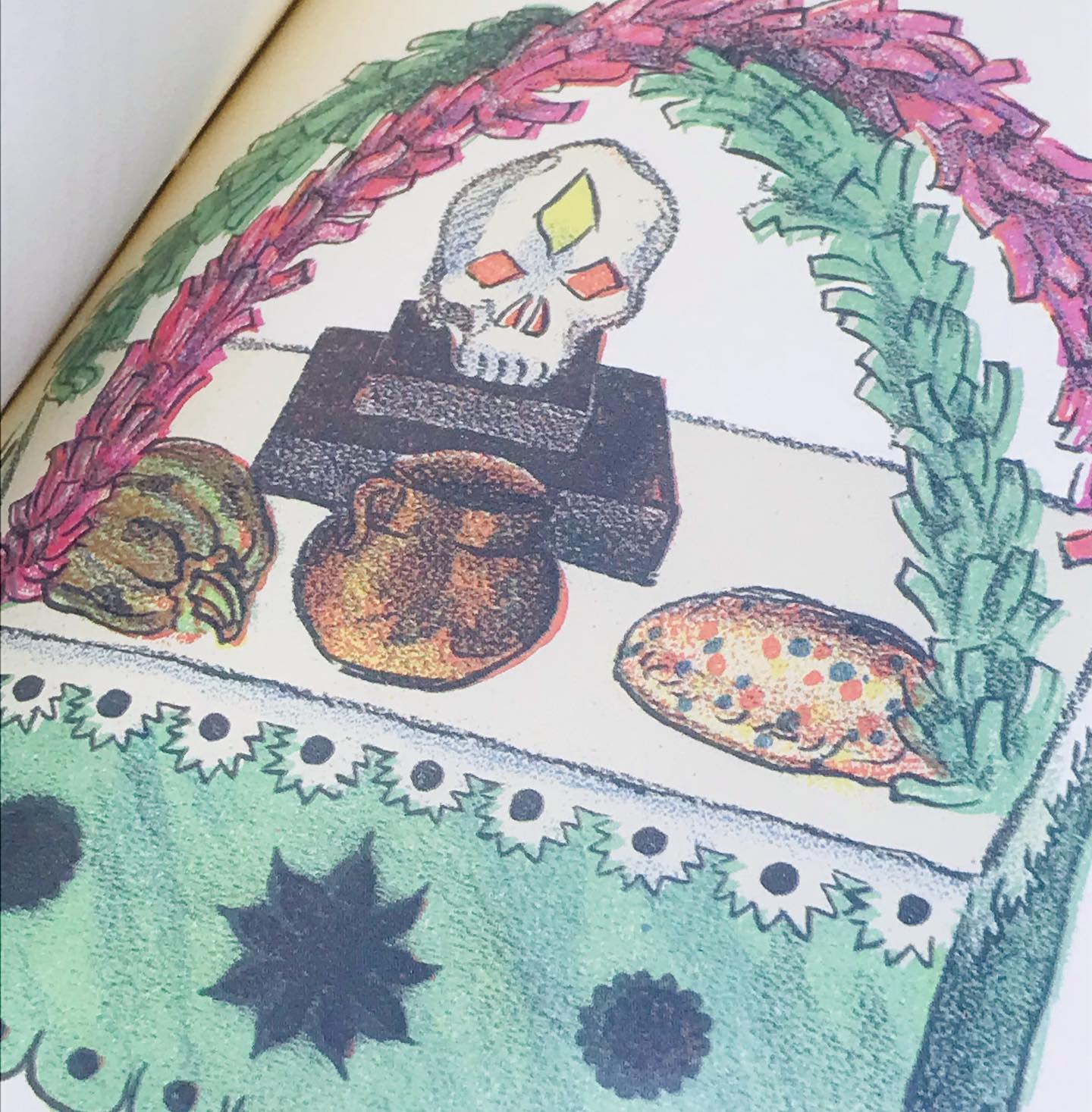
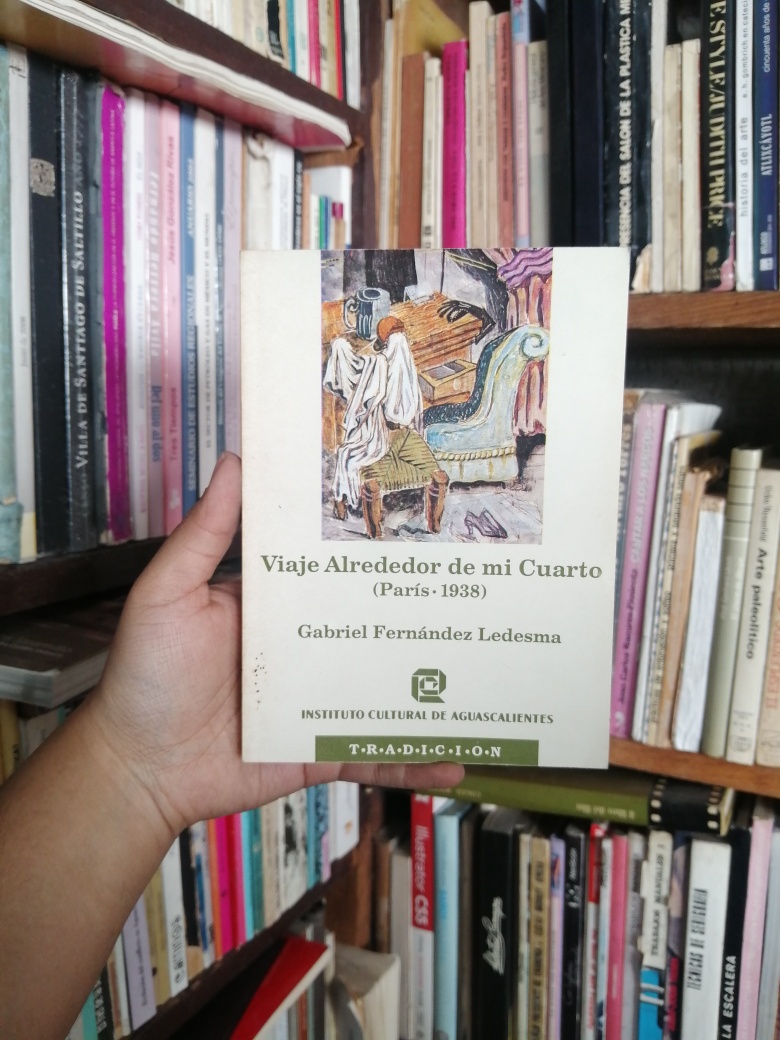
Fernández Ledesma also organized art exhibitions outside of Mexico. In 1929 he was sent to Spain in order to participate in the Ibero-American Exhibition of that year in Seville, presenting the Schools of Open Air Painting and the Center for Popular Art in the pavilion of Mexico. In 1940, together with Miguel Covarrubias, he prepared the exhibition "20 Centuries of Mexican Art" which was shown in New York. In 1938 he presented in Paris the exhibition "Artdans la vie politique mexicaine" (Art in Mexican Life and Politics), thanks to his outstanding participation he obtained the Guggenheim Scholarship, to work on his book "Life in Death".
For his background, work and teaching in engraving, he was awarded the medal "José Guadalupe Posada". Presented exhibitions at the Palace of Fine Arts in 1981 and for 1982 in the lobby of the Attorney-General’s Office.