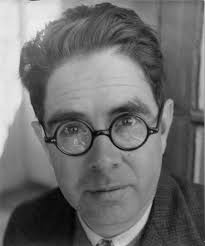
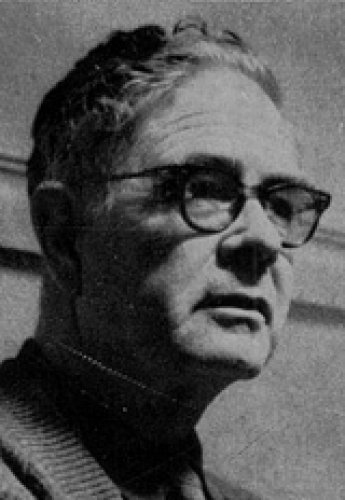
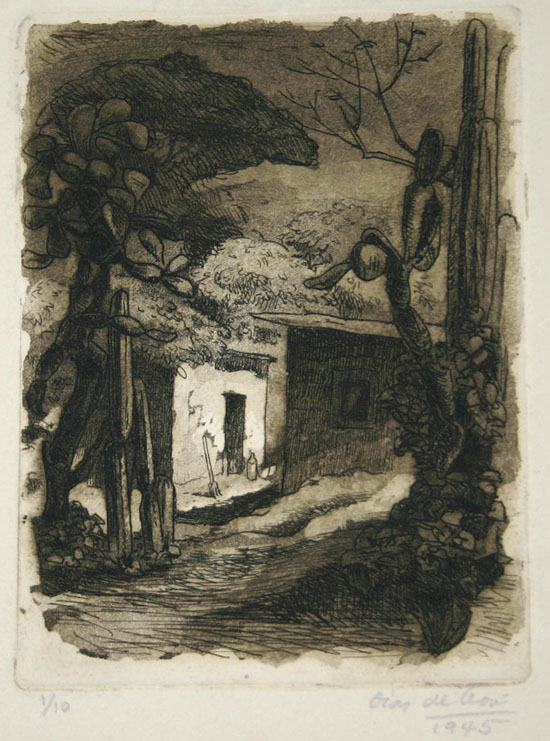
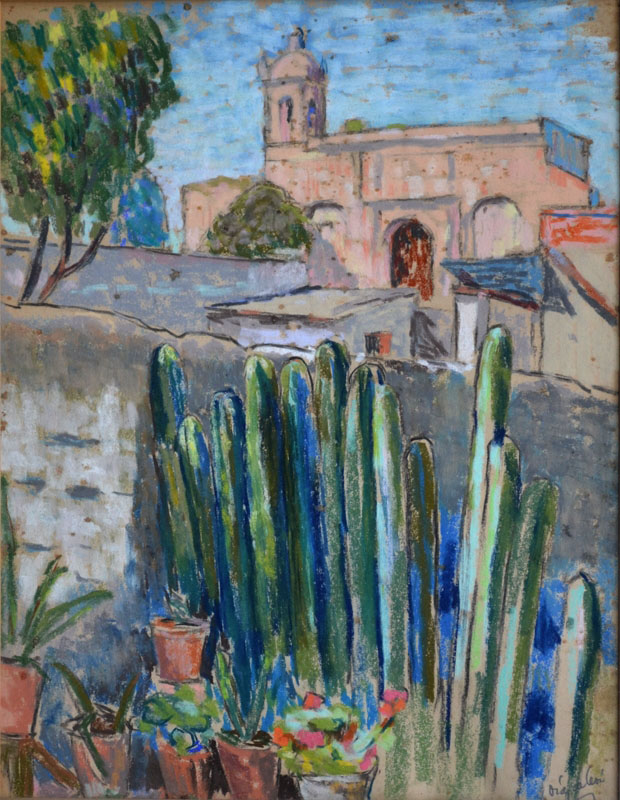
Francisco Díaz de León
Birth:
Death:
Occupation:
In 1897, one of the most influential artists of the 20th century was born in Aguascalientes, in the heart of the old Triana neighborhood. The son of a typographer and bookbinder, he grew up surrounded by letters, paper, and printing tools—an environment that awakened his artistic sensitivity from an early age.
His talent manifested early. As a teenager, while working in the shops of the Mexican Central Railway, he never set aside his drawing. Along with his lifelong friend, Gabriel Fernández Ledesma, he set up his first exhibition in a small railway office. That humble gesture caught the attention of then-governor Antonio Norzagaray, who, upon seeing their potential, offered them a scholarship to study art in the nation's capital.
From Aguascalientes to the Art World
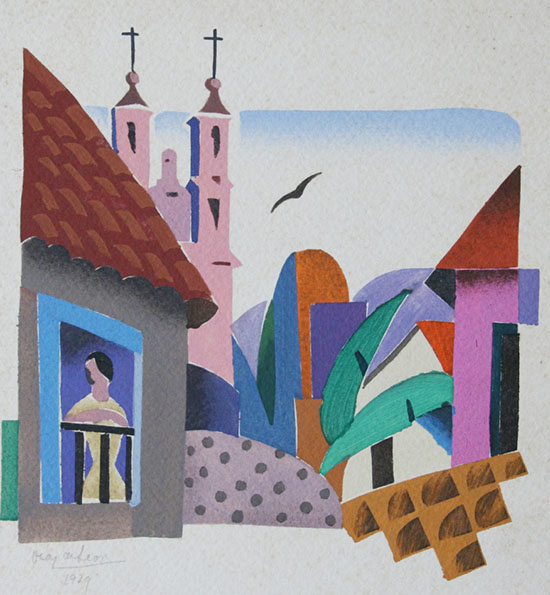
In 1917, Díaz de León arrived in Mexico City and joined the Academy of San Carlos, where he received the generous support of one of the great masters of Mexican painting: Saturnino Herrán. There, he learned techniques in oil, charcoal, and pastel, but he also developed a fascination for printmaking that would mark his entire career.
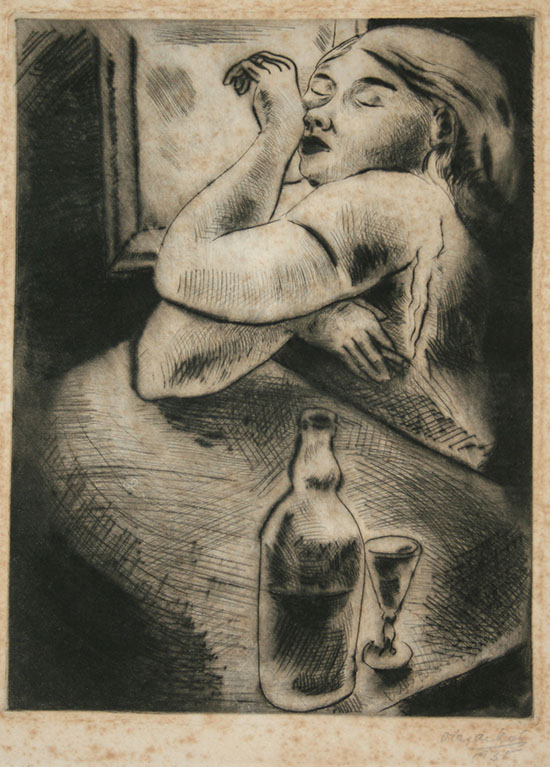
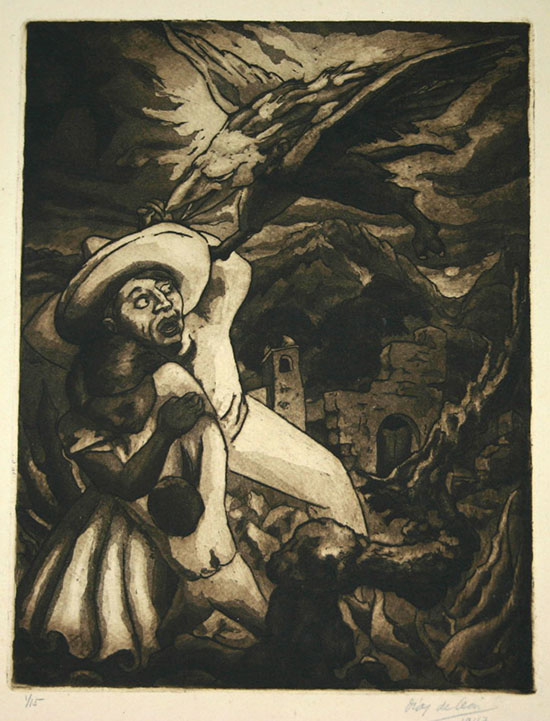
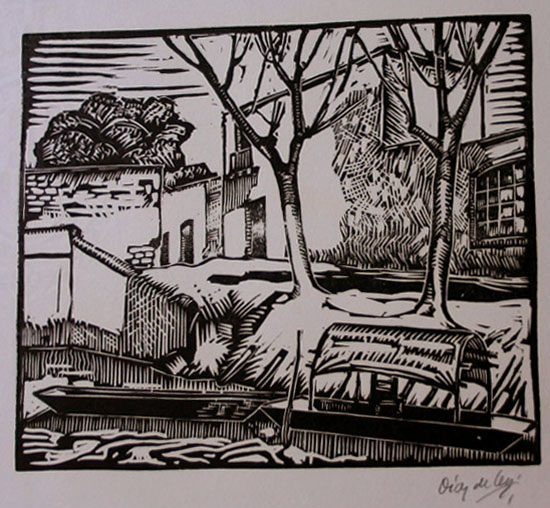
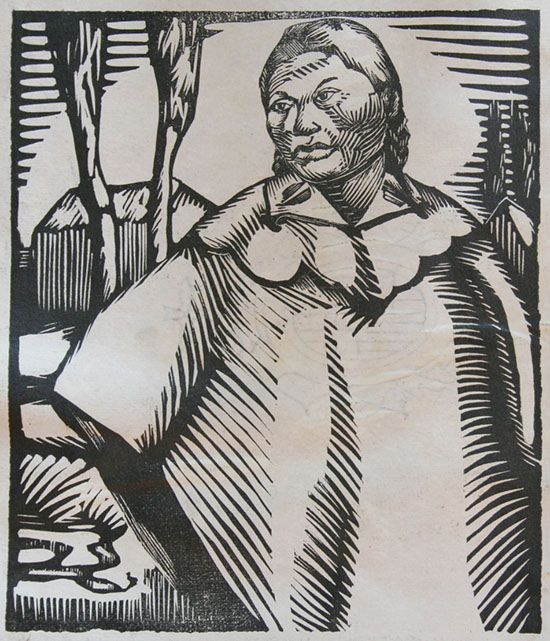
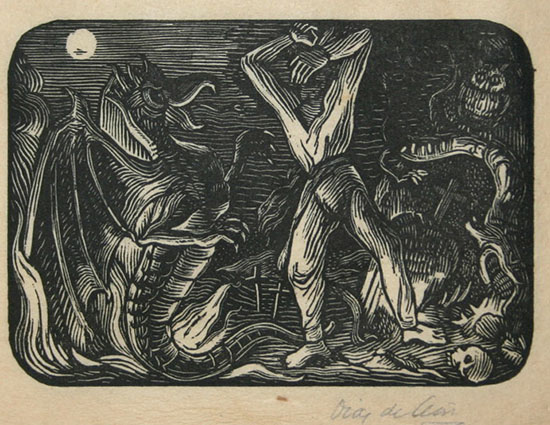
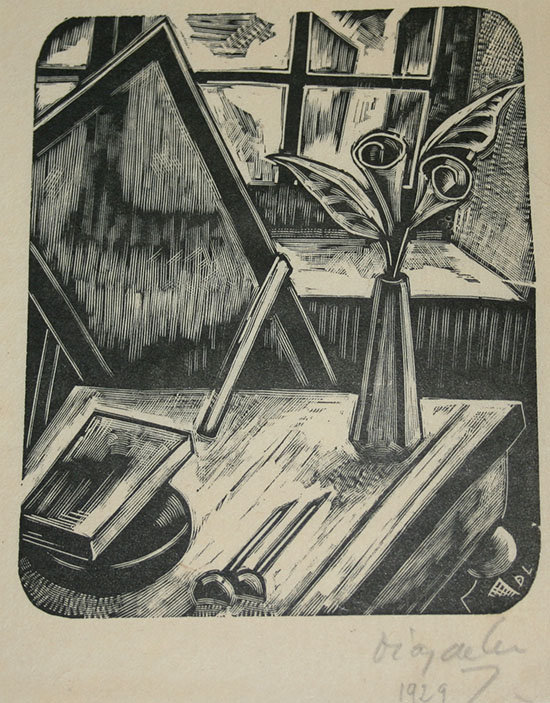
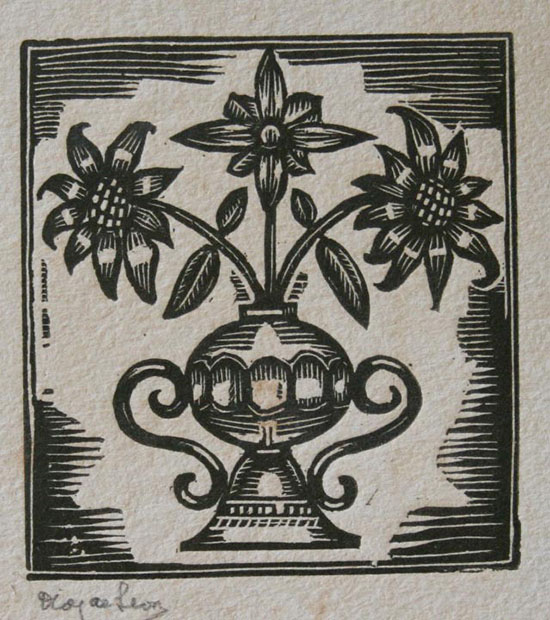
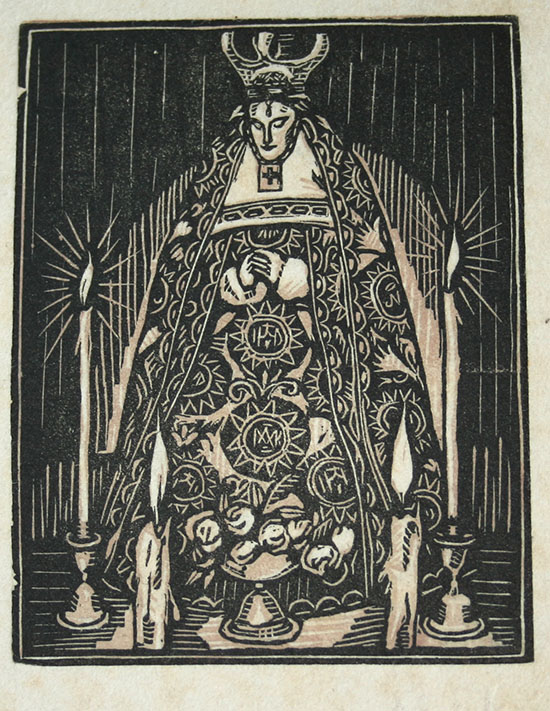
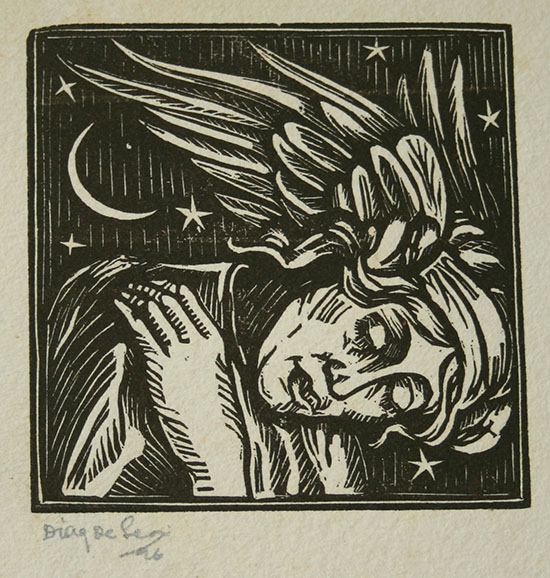
During this stage, he met the artist Jean Charlot, who introduced him to woodcut printmaking, a technique in which Díaz de León would reach an unsurpassed mastery. He was a natural innovator: in 1924, he created the first linocut in Mexico, paving the way for new technical possibilities for the country's graphic arts.
A Passionate Teacher and Founder of Institutions
His teaching talent led him to become a professor at the Academy of San Carlos at a very young age. Later, he directed the Open Air School of Painting in Tlalpan, collaborated in the legendary Printmaking Workshop, and, in 1928, founded one of his most important works: the School of Book Arts (Escuela de Artes del Libro), the first center in Mexico dedicated to the training of engravers, editorial designers, typographers, and book specialists. This institution molded generations of artists and left a profound mark on the country's artistic education.
Díaz de León combined his teaching work with intense activity as a cultural promoter. He was co-director of the SEP Art Room, a founding member of the Seminary of Mexican Culture, part of the Academy of Arts, and an active contributor to various cultural magazines and publications.
Pioneer of Mexican Graphic Design
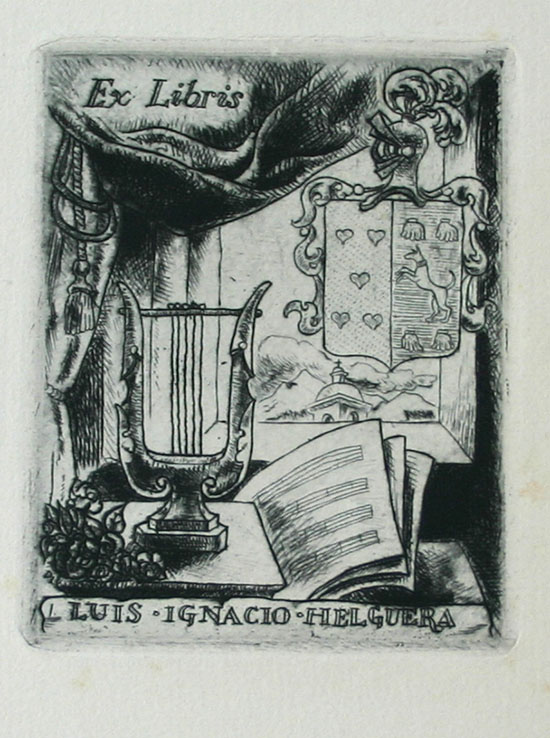
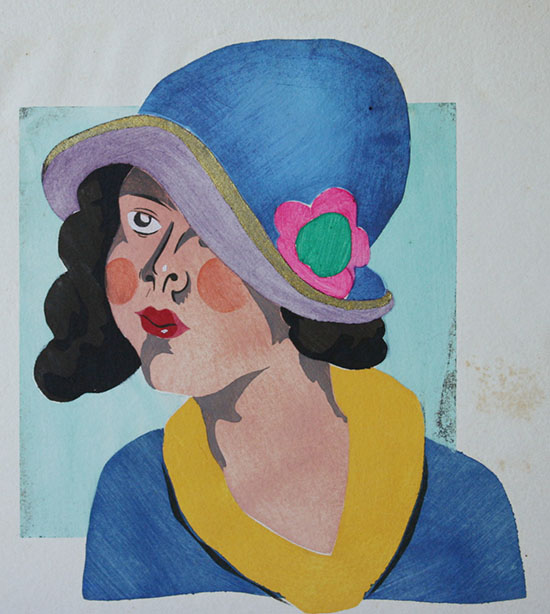
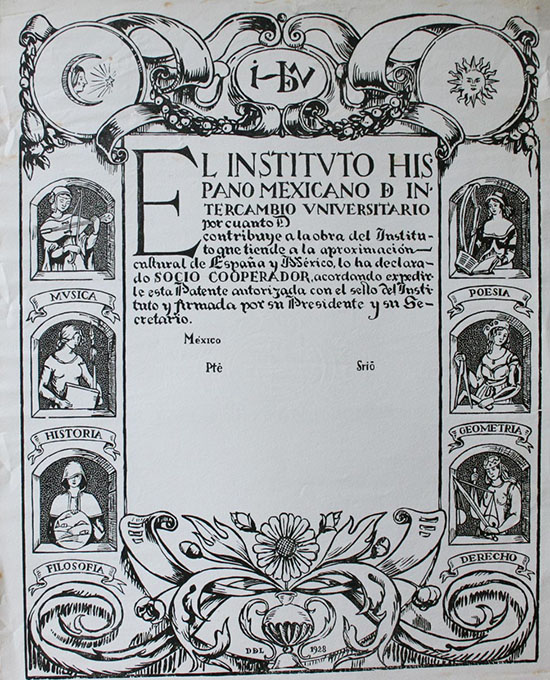
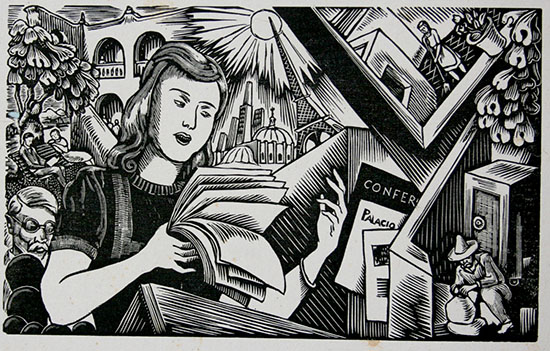
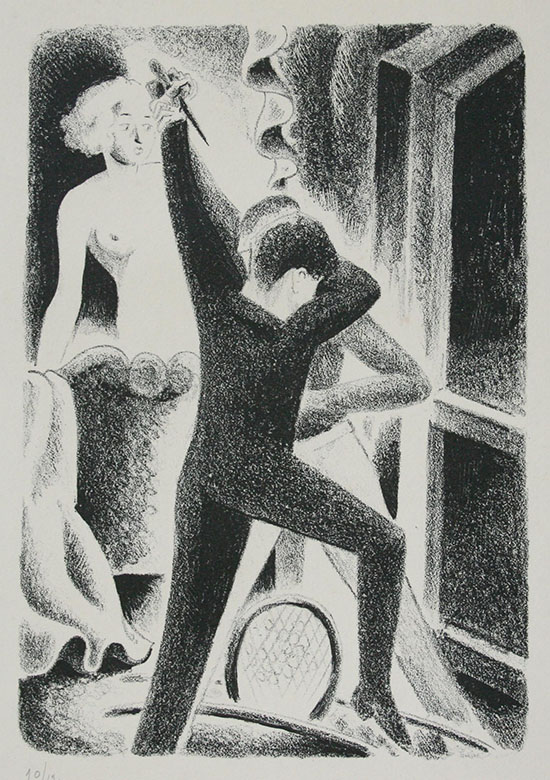
In addition to being a printmaker, he was an illustrator, photographer, and editorial designer. His modern and elegant vision led him to participate in magazines such as Pegaso, Forma, Dyn, and Mexican Art & Life, among many others.
He also illustrated fundamental books and collaborated on editorial projects that are now part of the history of design in Mexico.
Among his most visible contributions are:
•The logo of the Fondo de Cultura Económica, one of the most important publishing houses in the Hispanic world.
•The official coat of arms of the city of Aguascalientes, which is still in use.
•The logo of the Academy of Arts.
•His work helped define the Mexican visual identity of the mid-20th century, making him a true pioneer of national graphic design.
•Global Recognition.
The talent of Francisco Díaz de León crossed borders. He received the Gold Medal at the Ibero-American Exposition in Seville in 1930, won awards in the United States, and, in 1969, was honored with the National Prize for Arts, the highest recognition granted by the Mexican government to a creator.
His works traveled through museums, private collections, and international exhibitions, positioning him as a key figure in Latin American graphics.
Legacy and Memory
Throughout his life, he also gathered an impressive personal collection. In 2008, his daughters donated more than 5,000 pieces to the Andrés Blaisten Museum, including his own work, viceregal engravings, 19th-century pieces, and works by his contemporaries. It is an invaluable testimony to the love Díaz de León felt for books and the printed image.
Francisco Díaz de León passed away on December 29, 1975, in Mexico City. His legacy remains alive in every graphic workshop, in every illustrated book, and in every student who discovers the art of printmaking.
Today, visiting Aguascalientes is also to come closer to the origin of this master whose work marked the visual aesthetics of the country. His story reminds us that, from a small neighborhood and with humble tools, artists can emerge to transform the world.