Cathedral Basilica of Our
Lady of the Assumption
Location:
Schedule:
Phone:
449 918-70-32
Cost:
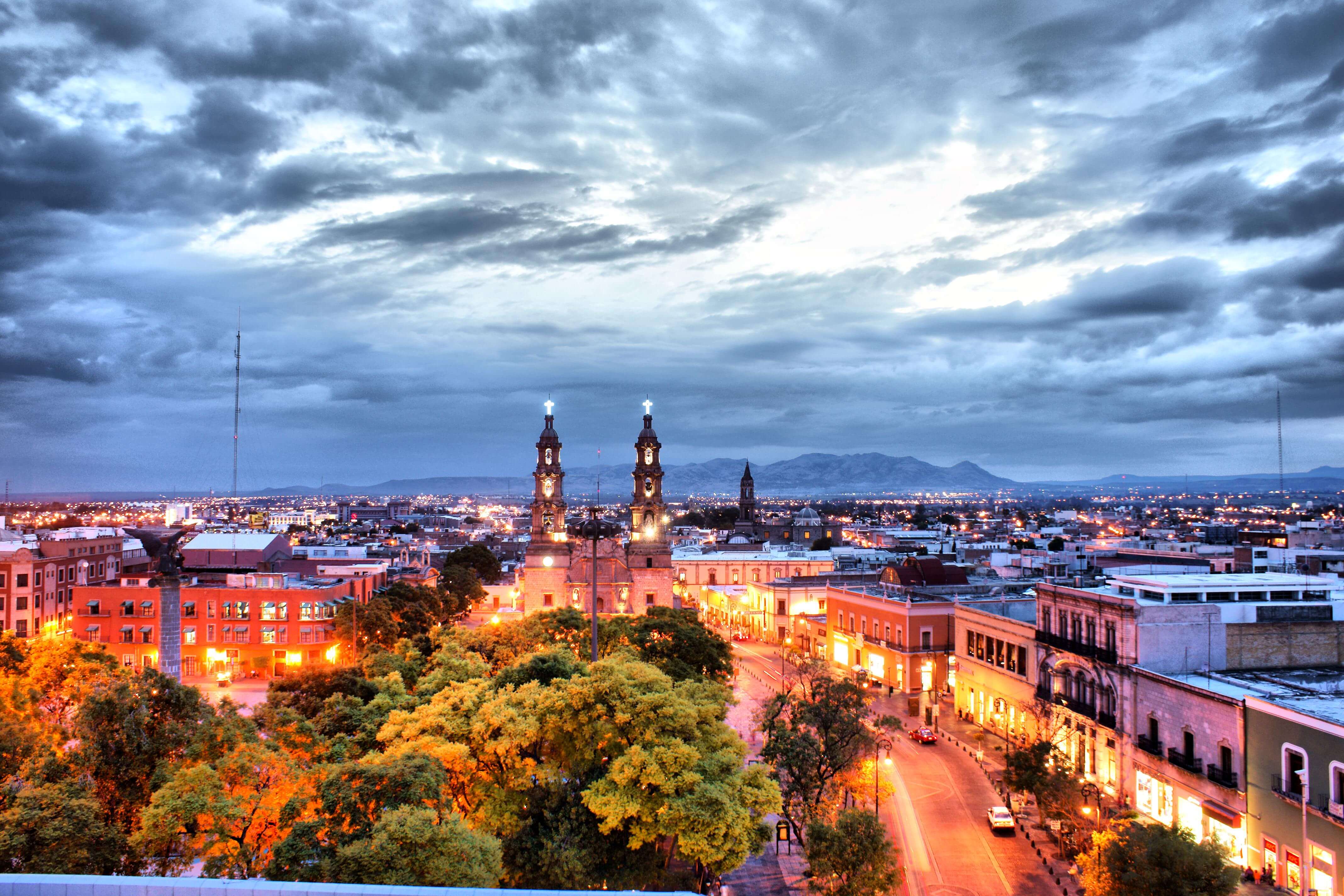
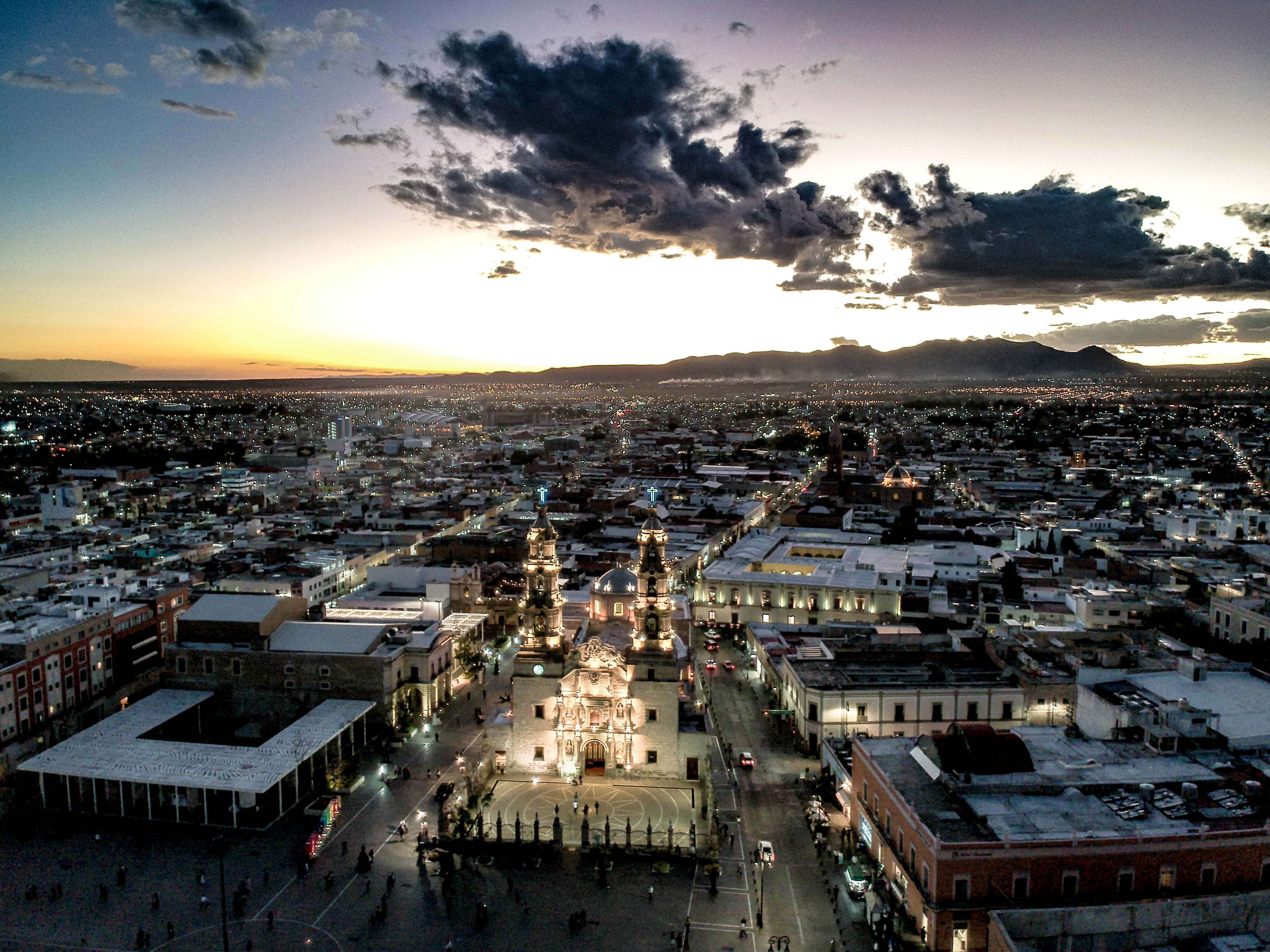
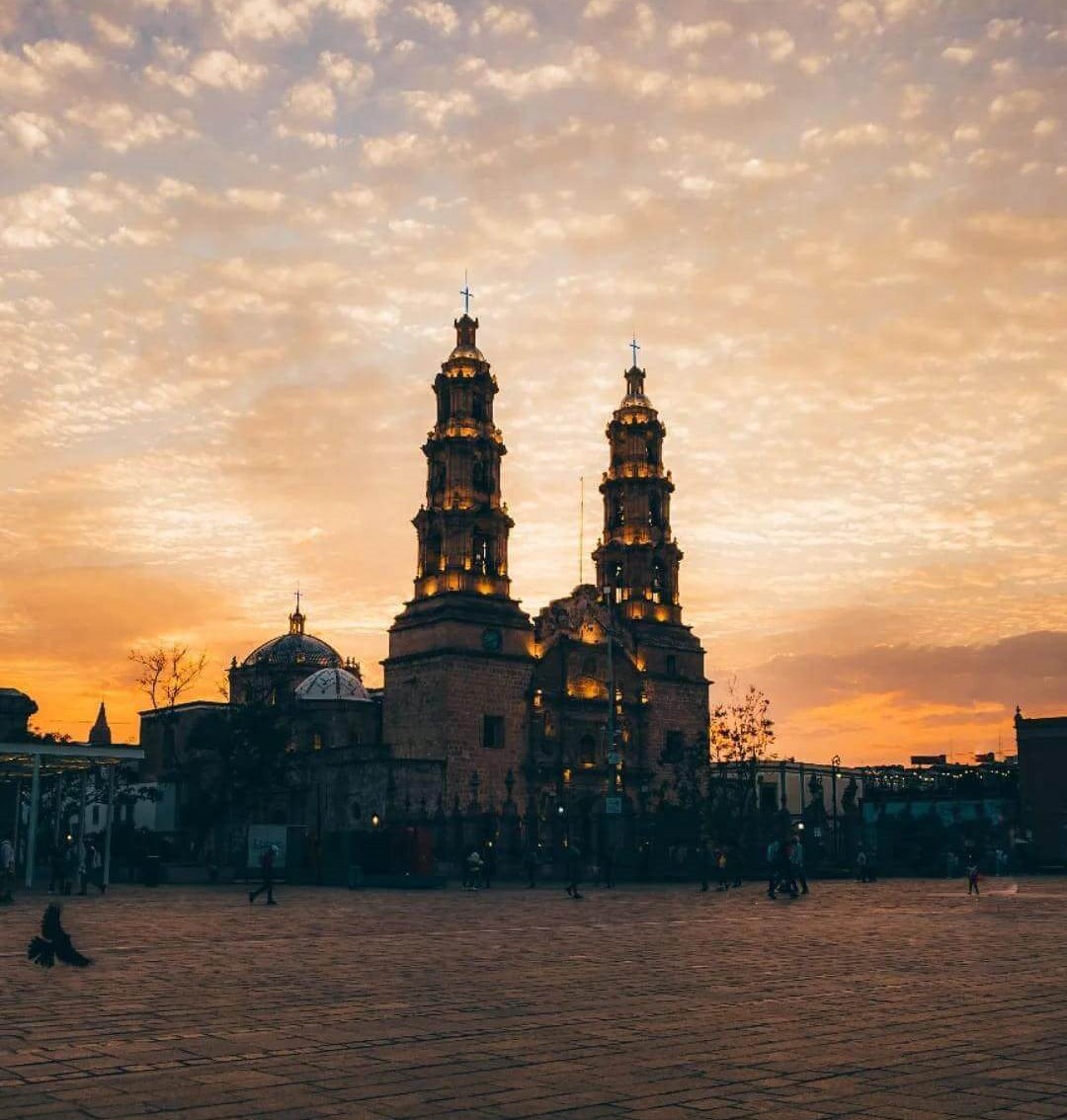
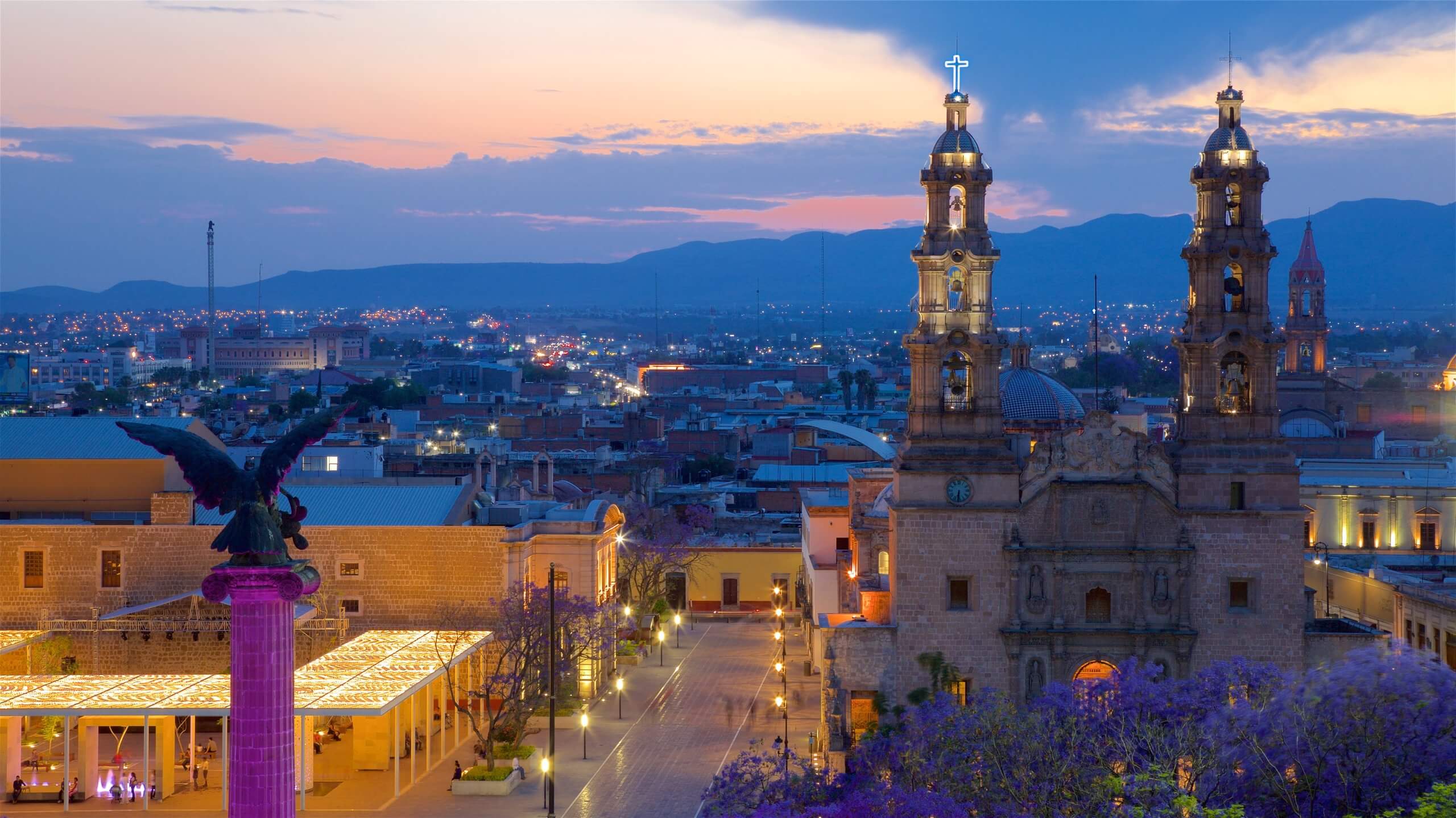
It is located in the heart of the Historic Center and is considered one of the first religious sites in the Mexico of New Spain. The Cathedral of Aguascalientes or Cathedral Basilica of Our Lady of the Assumption of Aguascalientes is the main Catholic building in the city.

The construction of the Cathedral Basilica was started by the priest Antonio Flores de Acevedo in 1704 and was completed by the parish priest Manuel Colón de Larreátegui in 1738. It took 34 years to build. On the site now occupied by the church there were originally two chapels, one of them probably built in 1575 and another erected around 1605.
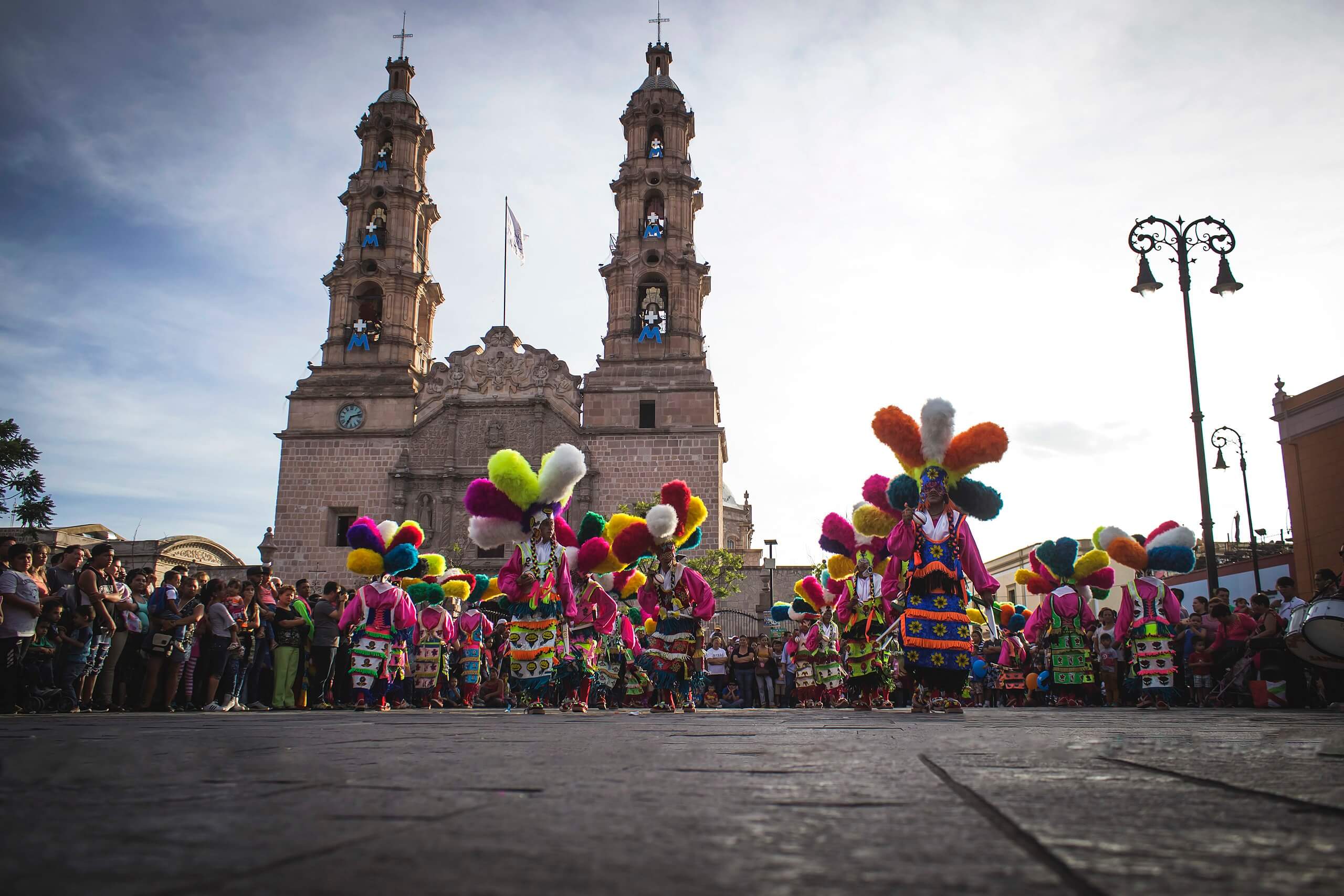
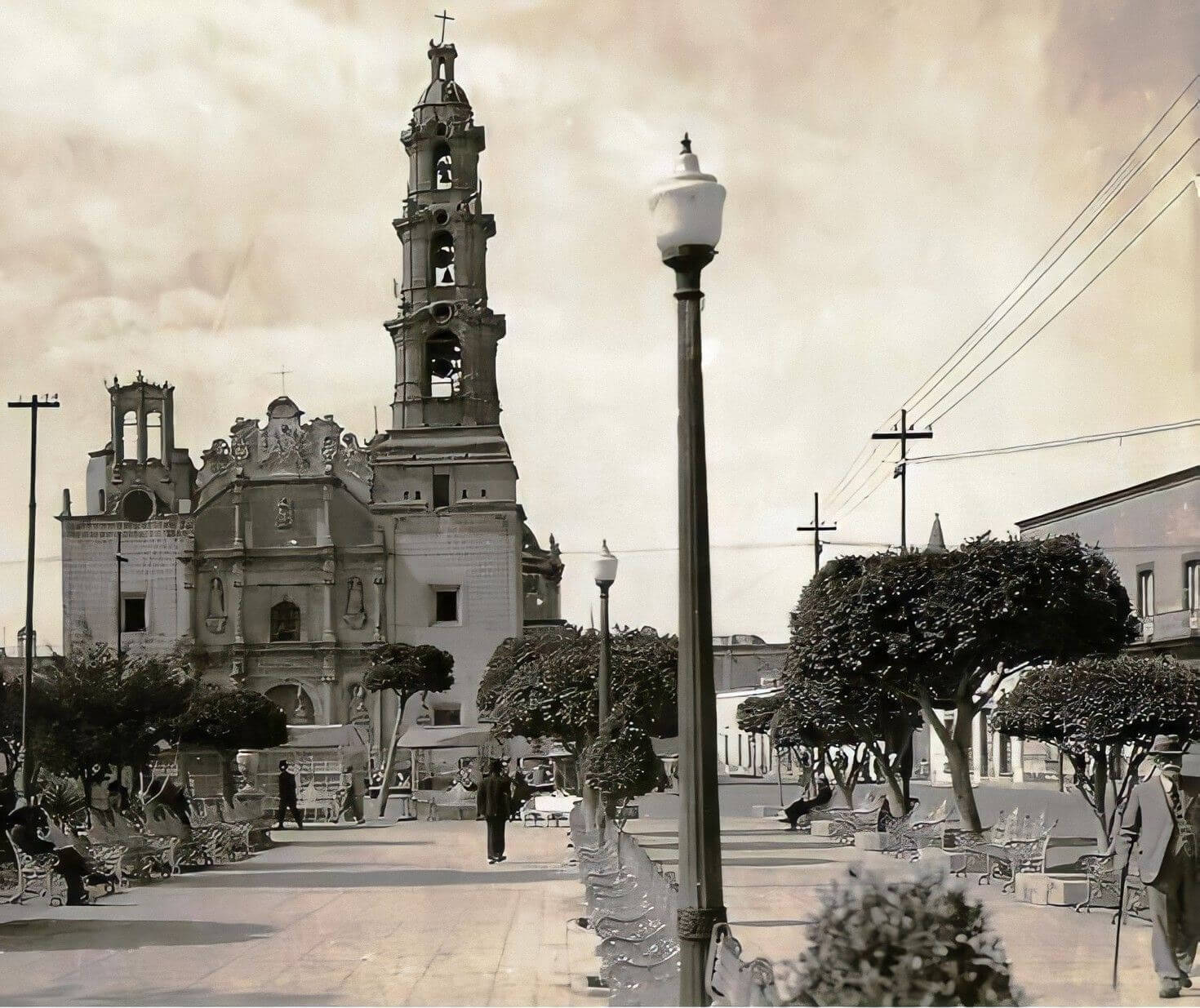
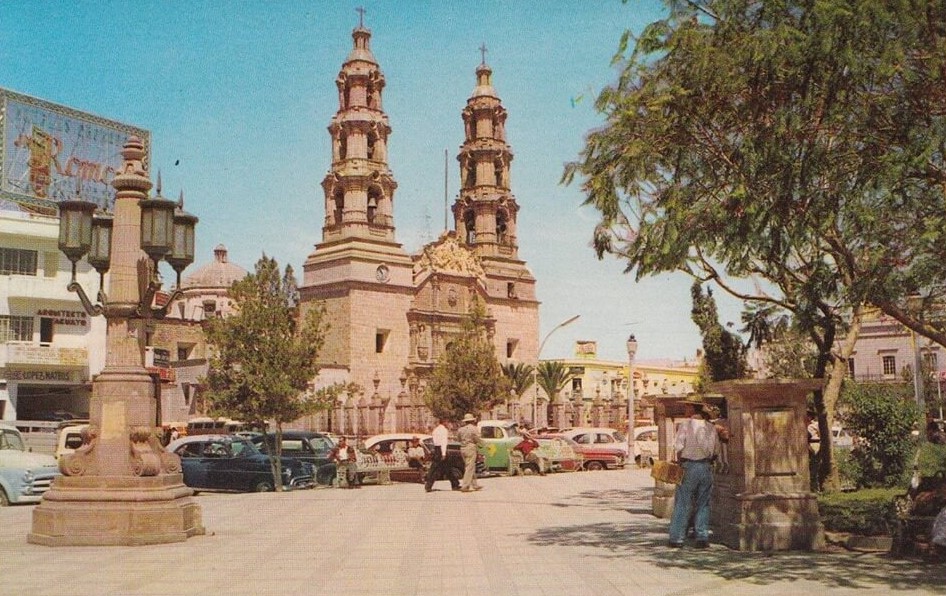
The current temple presents several stages of construction, proof of this are its two towers:
- The first tower, the north one, was started on February 20, 1763, and was blessed on March 12, 1764.
- The second tower, the south, was added from 1943 to 1946; that is, more than 180 years later, by the first qualified architect of Aguascalientes, Francisco Aguayo Mora.
The south tower in the center of its first body displays a bell known as “La Ferrocarrilera”, since it was cast in the railway workshops of this city and given as a gift by the workers.

On August 27, 1899, by Bull of Pope Leo XIII it was erected as a Diocese, and its former parish became the Cathedral.
Its architecture combines the baroque of New Spain and the neoclassical. It consists of an atrial wall composed of quarry pillars and a lattice with lateral entrances and to the north a sundial on a pillar, vestiges of what was once the first holy field of Aguascalientes, which existed in what is now the atrium and part of the public plaza.
The main door of the temple is entirely carved in pink stone, which consists of three bodies and a finish; sample of the talented indigenous workforce of the region.
On the façade you can see carved plant motifs, as well as the figures of the Four Doctors of the Church, Saint Gregory the Great, Saint Augustine of Hippo, Saint Ambrose and Saint Geronimo, in the same way you can see the figure of Saint Michael the Archangel and that of the Virgin of the Assumption.
It has an inscription at the top, written in Latin “Basilicae Lateranensi In Perpetuum Aggregata”, which means: Lateran Basilica Aggregated in Perpetuity, in reference to the Lateran Basilica in the city of Rome, Italy, so it enjoys the same spiritual graces that can be gained by visiting said religious site on the European continent.
Its original plan was a Latin cross, with a single nave and two transepts. It was later expanded to three warehouses with the intervention in the project of the self-taught architect Refugio Reyes Rivas.

The interior has two side altars in neoclassical style. The image of the Virgin of the Assumption, which is in the cypress of the white marble enclosure donated by Don Felipe Nieto y Obregón in 1912 (Owner of the old Hotel Francia), was brought from Spain to replace the old one in 1919. The first image is currently in the community of Azulitos, Jalisco.
The cathedral has a tubular organ from the Italian music house Ruffatti, installed in 2005, which is made with wood from the Congo and was made specifically for Aguascalientes.
This venue is also an art gallery or "Pinacoteca" with a collection of pictorial works of incalculable value, pieces by artists such as Cristobal de Villalpando, José de Alcibar, Miguel Cabrera, among others. Inside the sacristy is the painting "The Patronage of Our Lady of Loreto over Aguascalientes" from 1758, a jewel of sacred art made during the times of the viceroyalty of New Spain.
Its walls also protect the last resting place of bishops and historical figures, such is the case of the son of one of the founders of the city, Captain Don Juan de Montoro Rodríguez, whose mortal remains were deposited in the cathedral on March 16, 1634 and who was one of the owners who received land in the town, after the devastation left by a Chichimeca attack in 1593, being a landowner who helped shape the different dynamics that shaped the town during the 17th century, which is why he is considered the same as his father, founder of the city of Aguascalientes.