Temple of the Sanctuary of Our
Lady of Guadalupe
Location:
Schedule:
06:30 - 21:00 Hrs.
Cost:
The Sanctuary of Our Lady of Guadalupe Temple began construction in 1767 in what was then known as the Arellano Neighborhood, an area that flourished through trade and agriculture.
It was built on land donated by the Sedillo family, with the additional generous contribution of $26,000 pesos from the priest José Javier Tello de Lomas and Francisco Flores Robles.
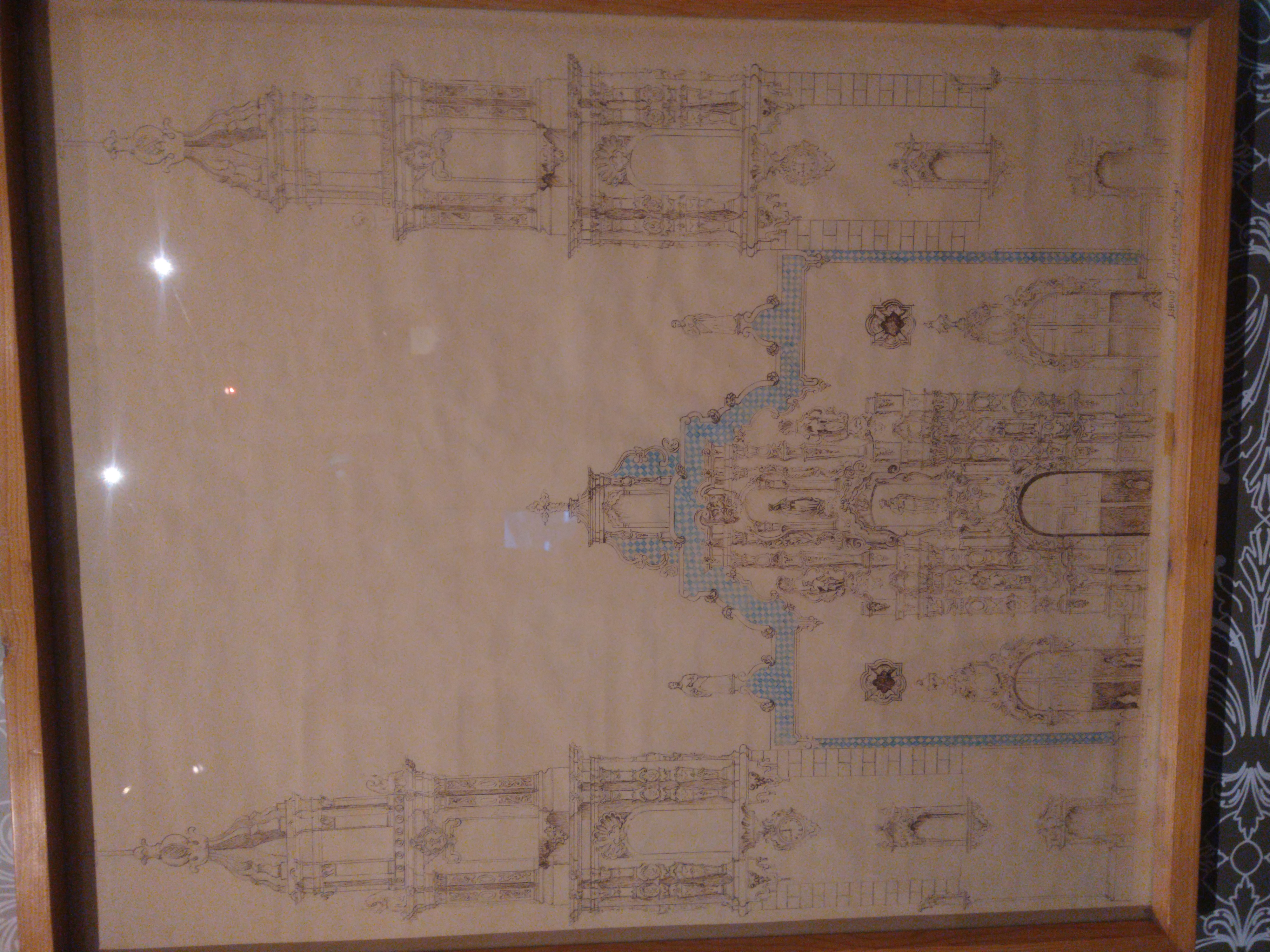
The main structure, designed by Felipe de Ureña — who created the Latin cross layout, the façade, and the main altarpiece — was completed in its first phase in 1789.
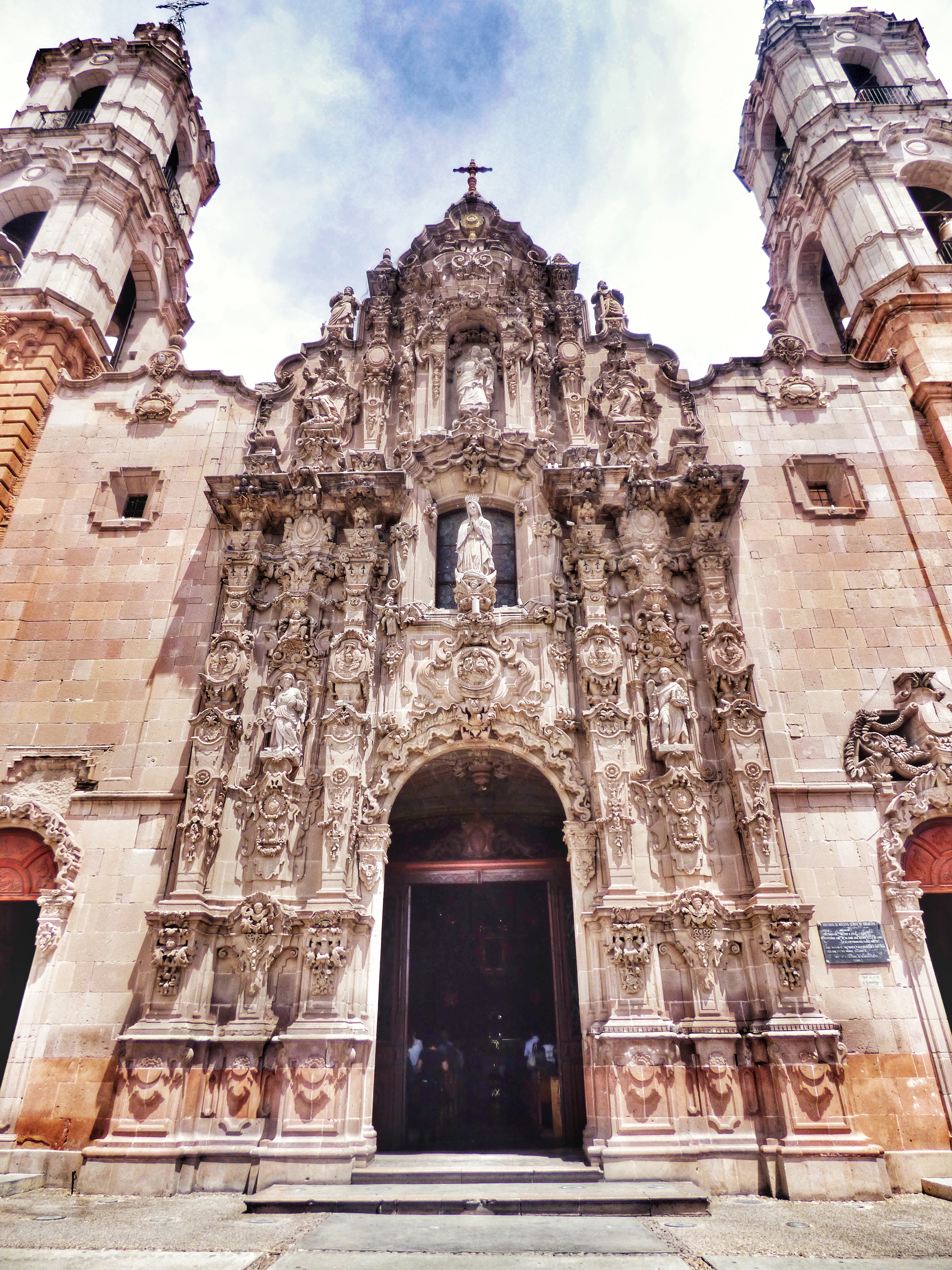
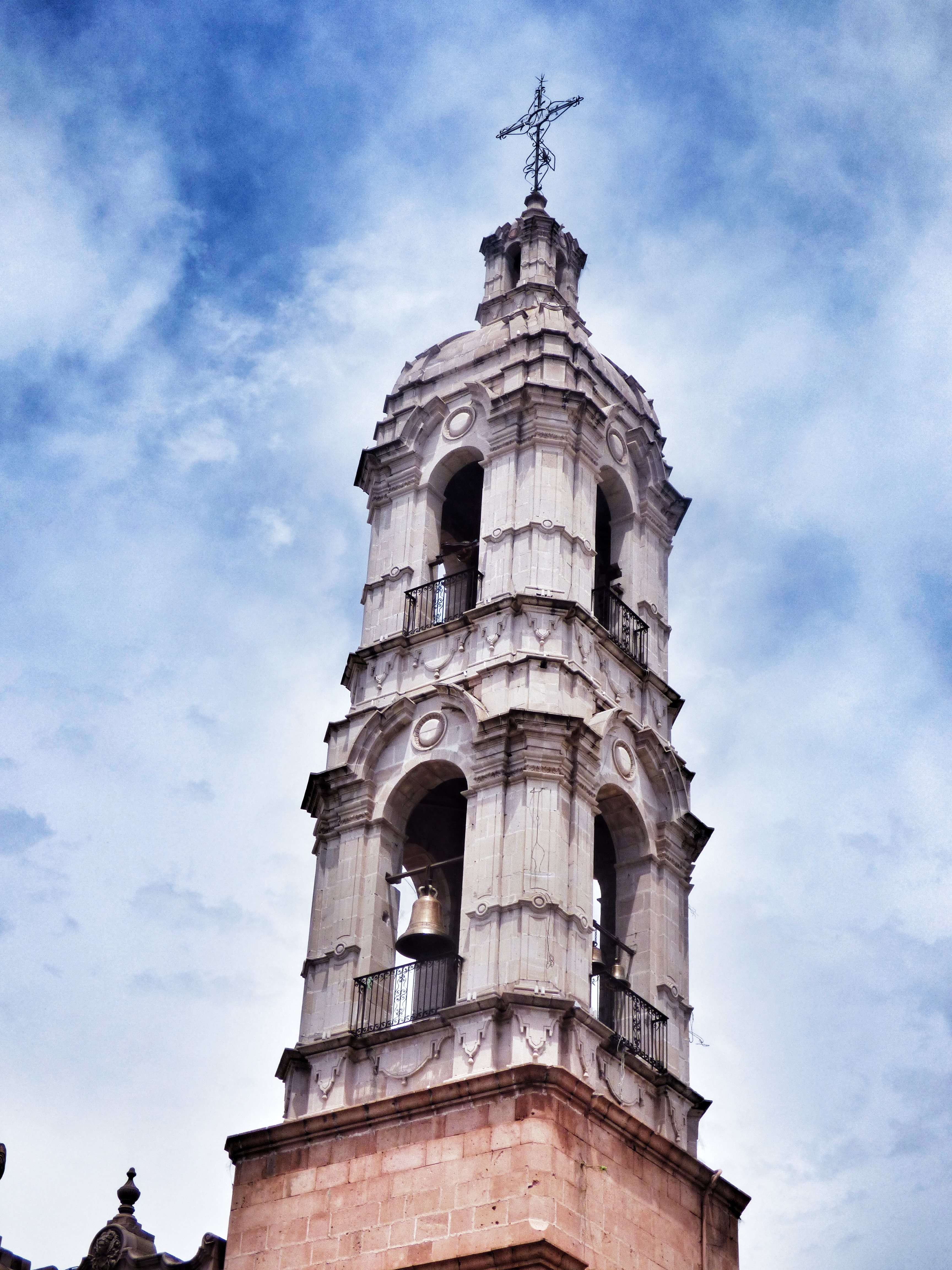
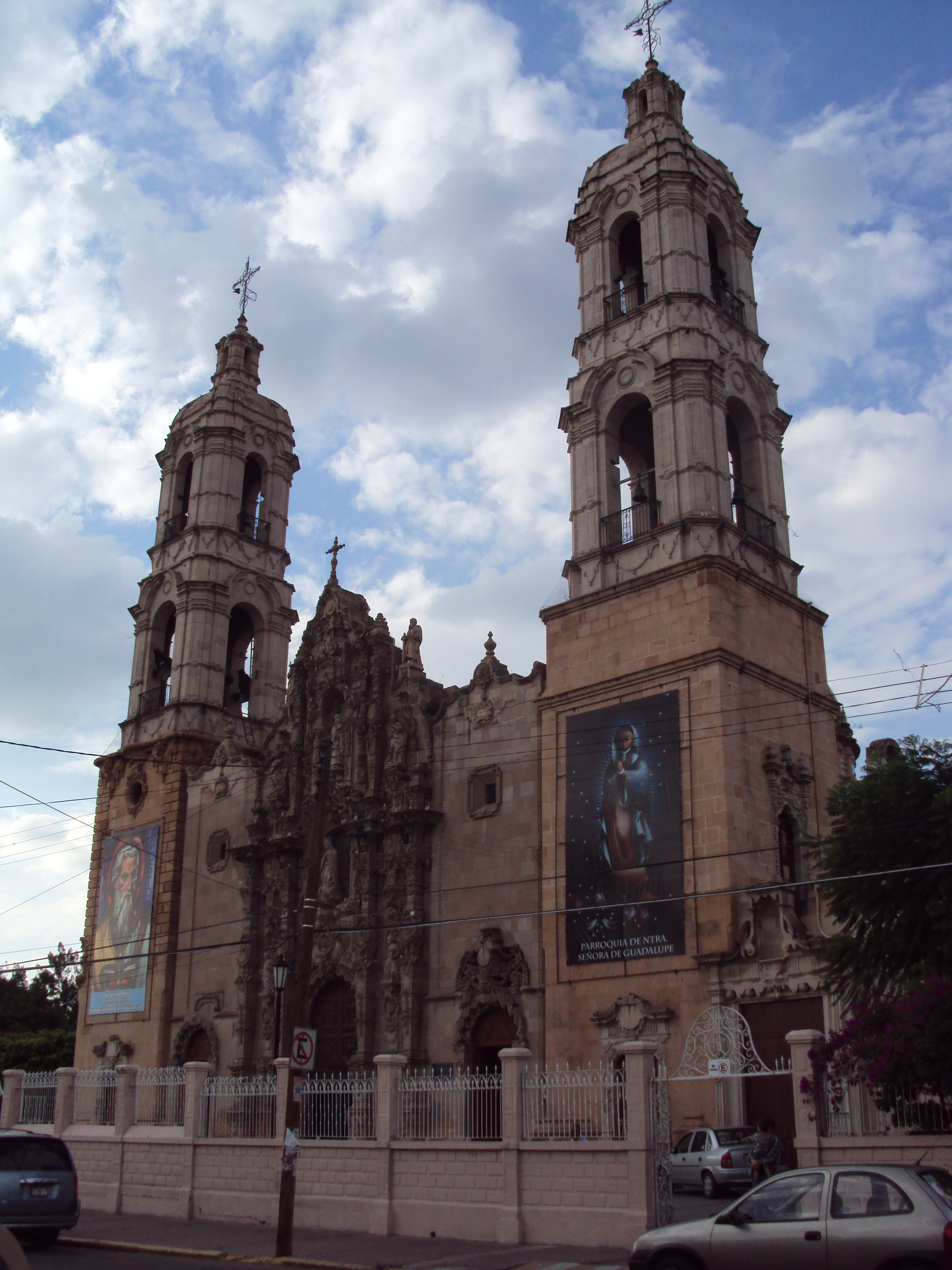
The temple underwent several modifications over time: in 1907, the side naves were added, transforming it into a basilica-style plan; in 1931, it was elevated to parish status; and in 1973, the two towers were completed based on designs by Refugio Reyes Rivas and executed by Víctor Manuel Villegas. In 2018, Father Carlos Alberto García Zavala, with the support of the parishioners and supervision from INAH, restored the murals and covered the high altar in gold leaf.
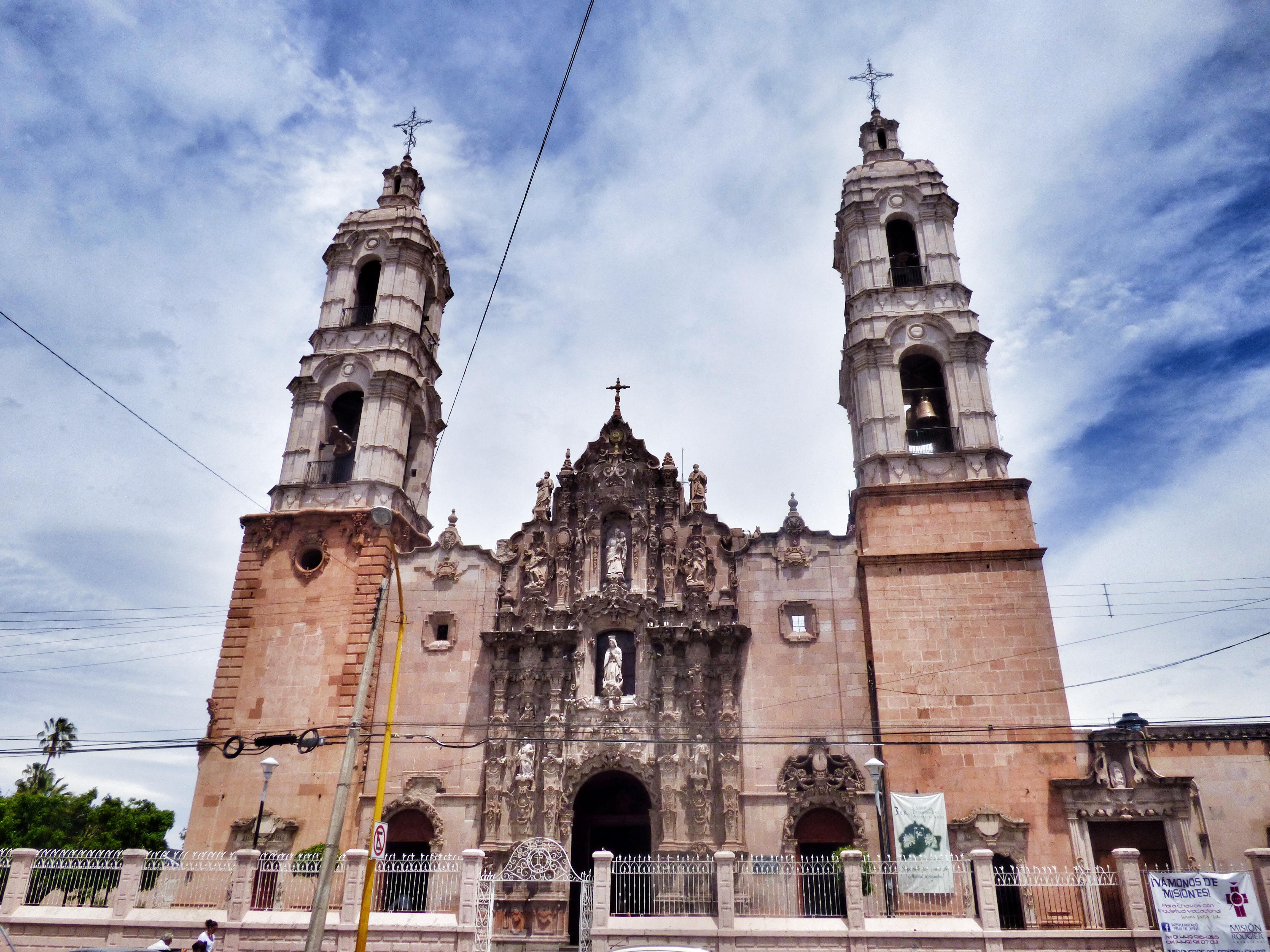
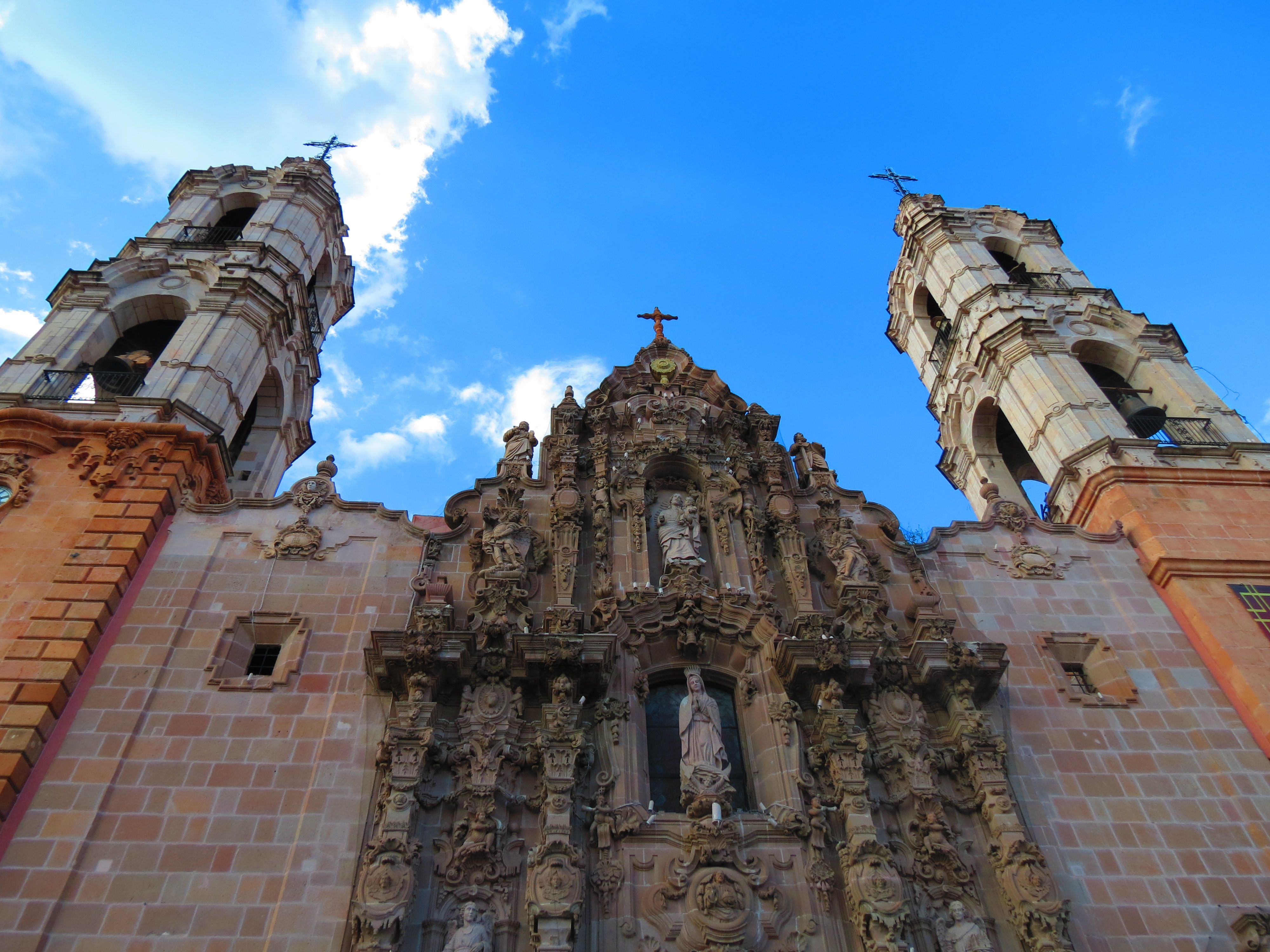
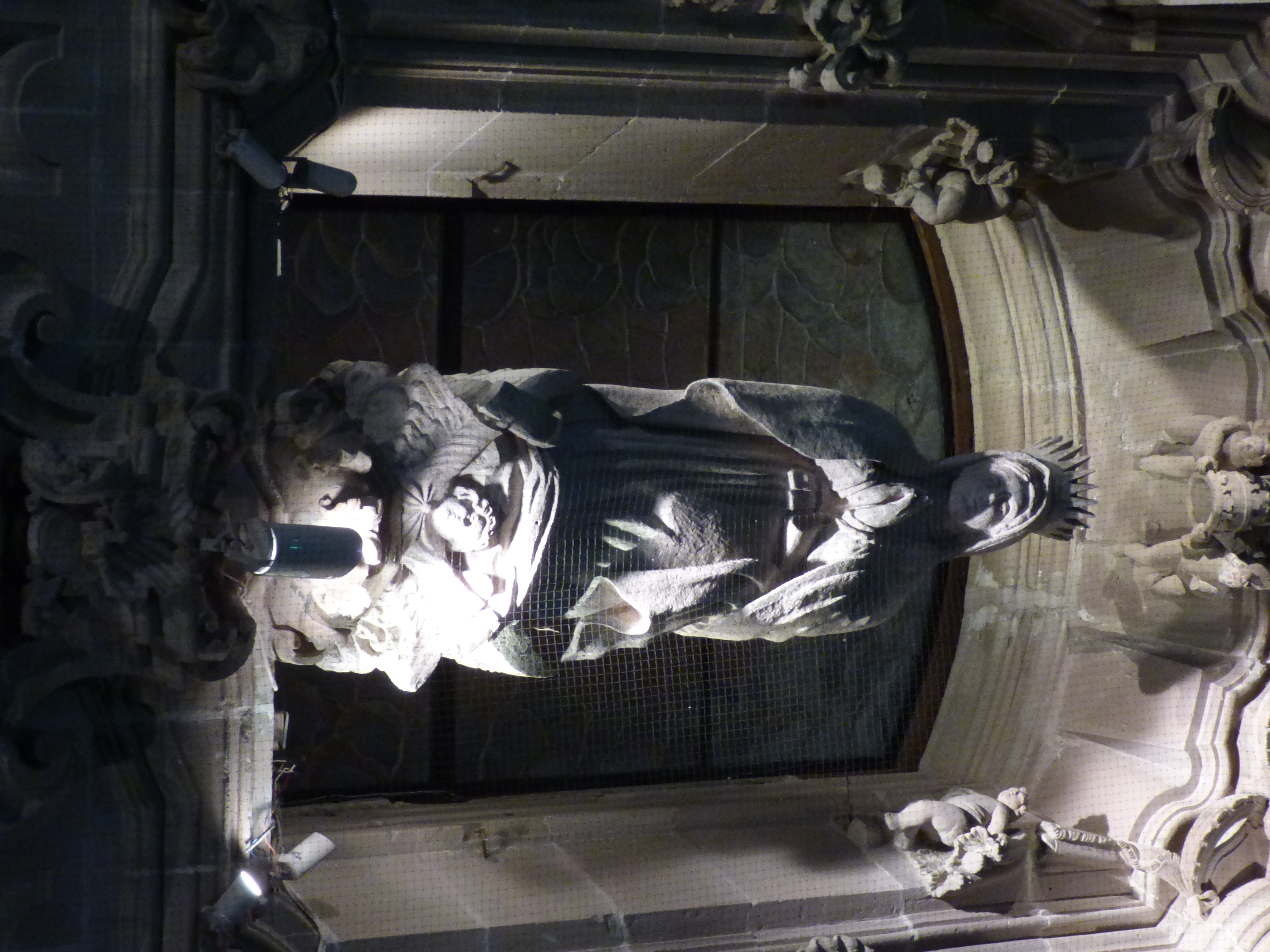
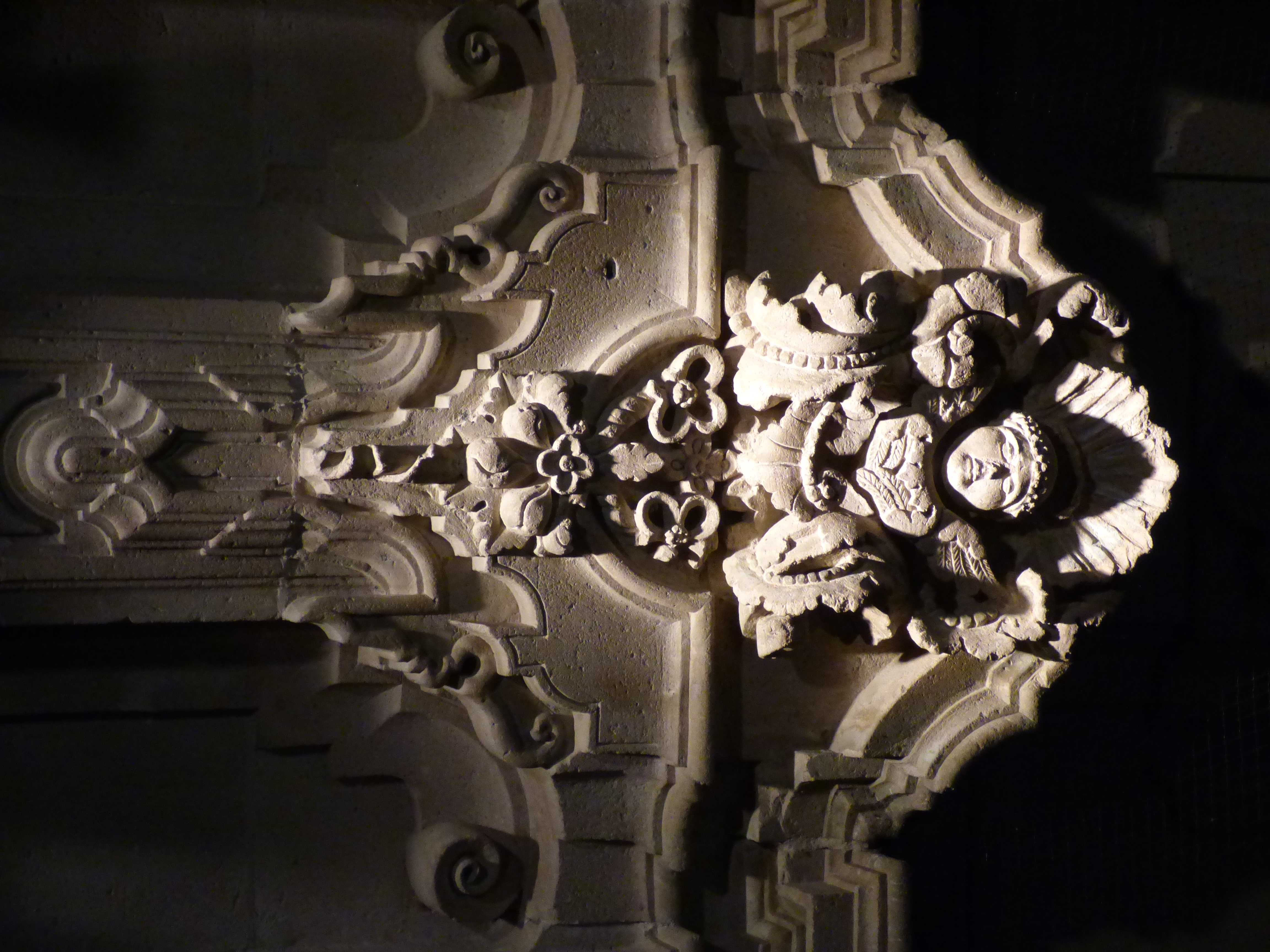
The temple stands out as a magnificent example of the exuberant Baroque style of the Bajío region, visible in its ornate pink quarry-stone façade, filled with filigree medallions and statues honoring the Virgin and the Catholic tradition. Its large dome is covered with Talavera tiles — also known as “pañuelo” tiles — adding color and elegance to the exterior.
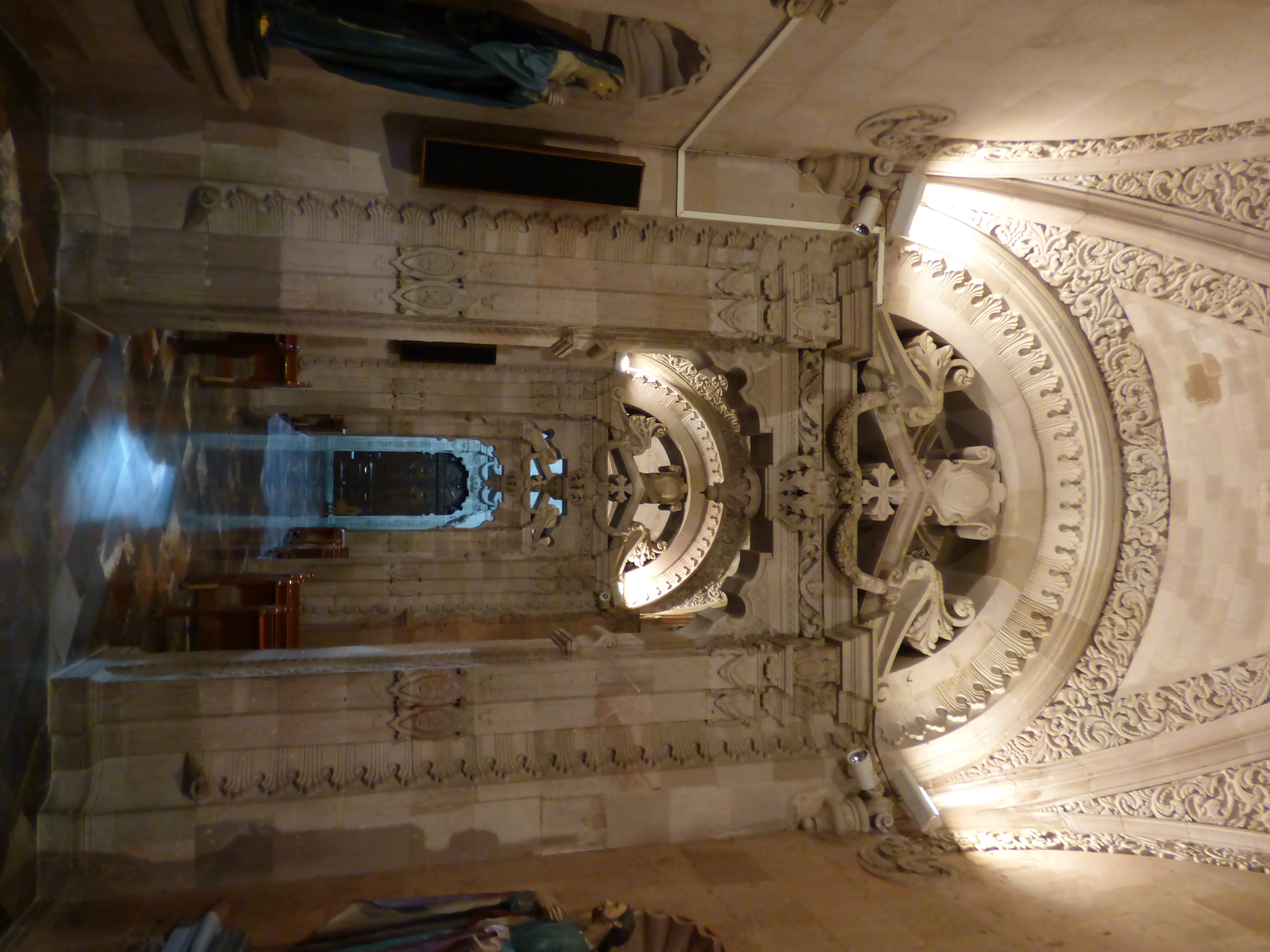
The interior is equally impressive: it features high-quality sculptures and paintings, a pulpit made of Tecali stone (a volcanic stone resembling marble), and pews decorated with scenes of the four apparitions of the Virgin of Guadalupe. A highlight is a painting by José de Alcíbar, dated 1777, a faithful replica of the original, bearing the inscription: “Josef de Alzíbar, Pinxit, 1777.” Toward the back is the Chapel of the Blessed Sacrament, built in the early 20th century in a Neo-Gothic style.
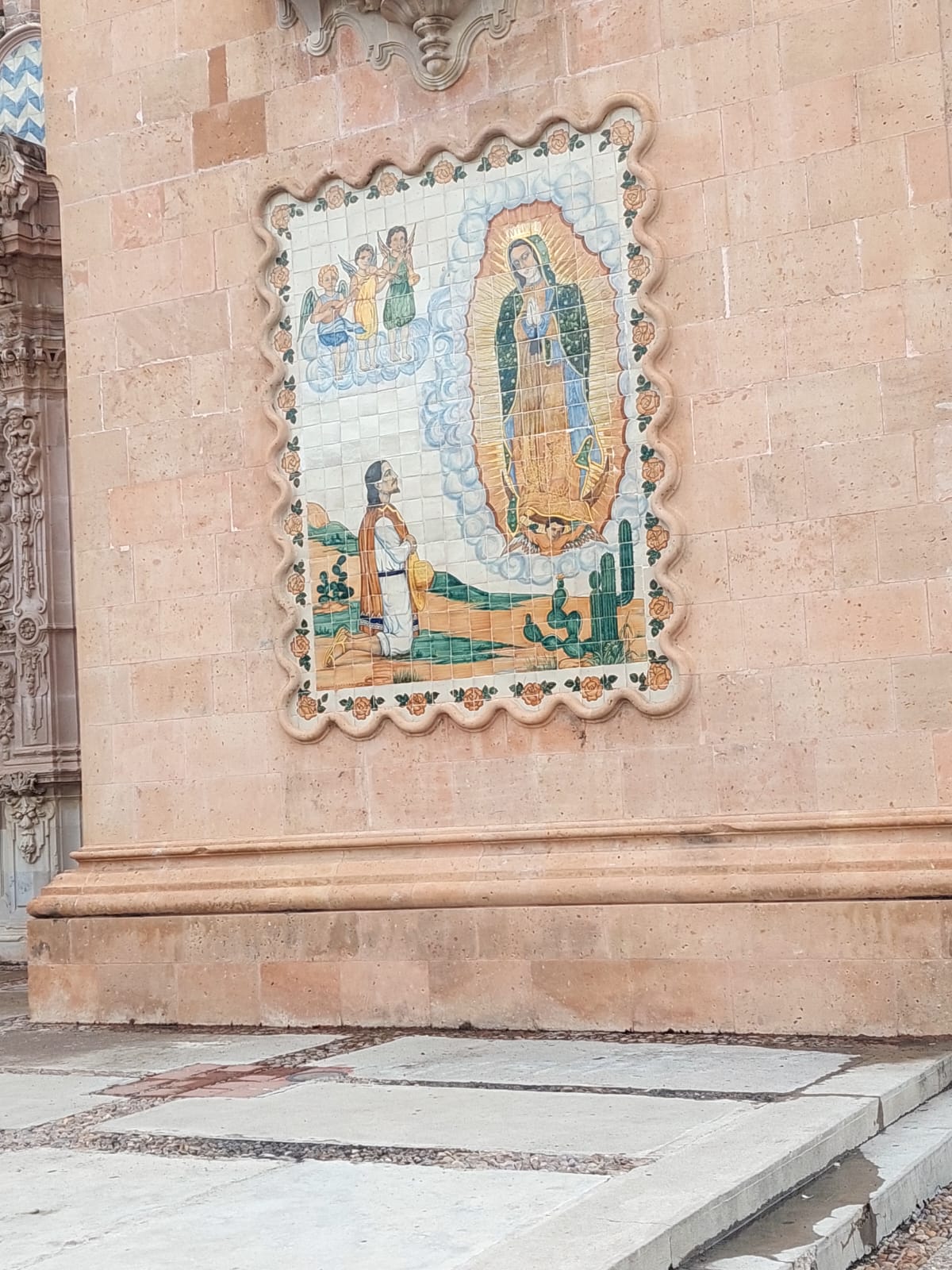
Originally, a cemetery was established next to the temple in 1785. Over time, for sanitary reasons, it was closed and converted into a garden in 1877, initially called the “Porfirio Díaz Garden” and now known as The Guadalupe Garden. At its center stands an octagonal wrought-iron kiosk, and more recently, a small square dedicated to Pope John Paul II was added, featuring a quarry-stone sculpture and Talavera murals.