Alberto J. Pani
Birth:
Death:
Occupation:
Awards:
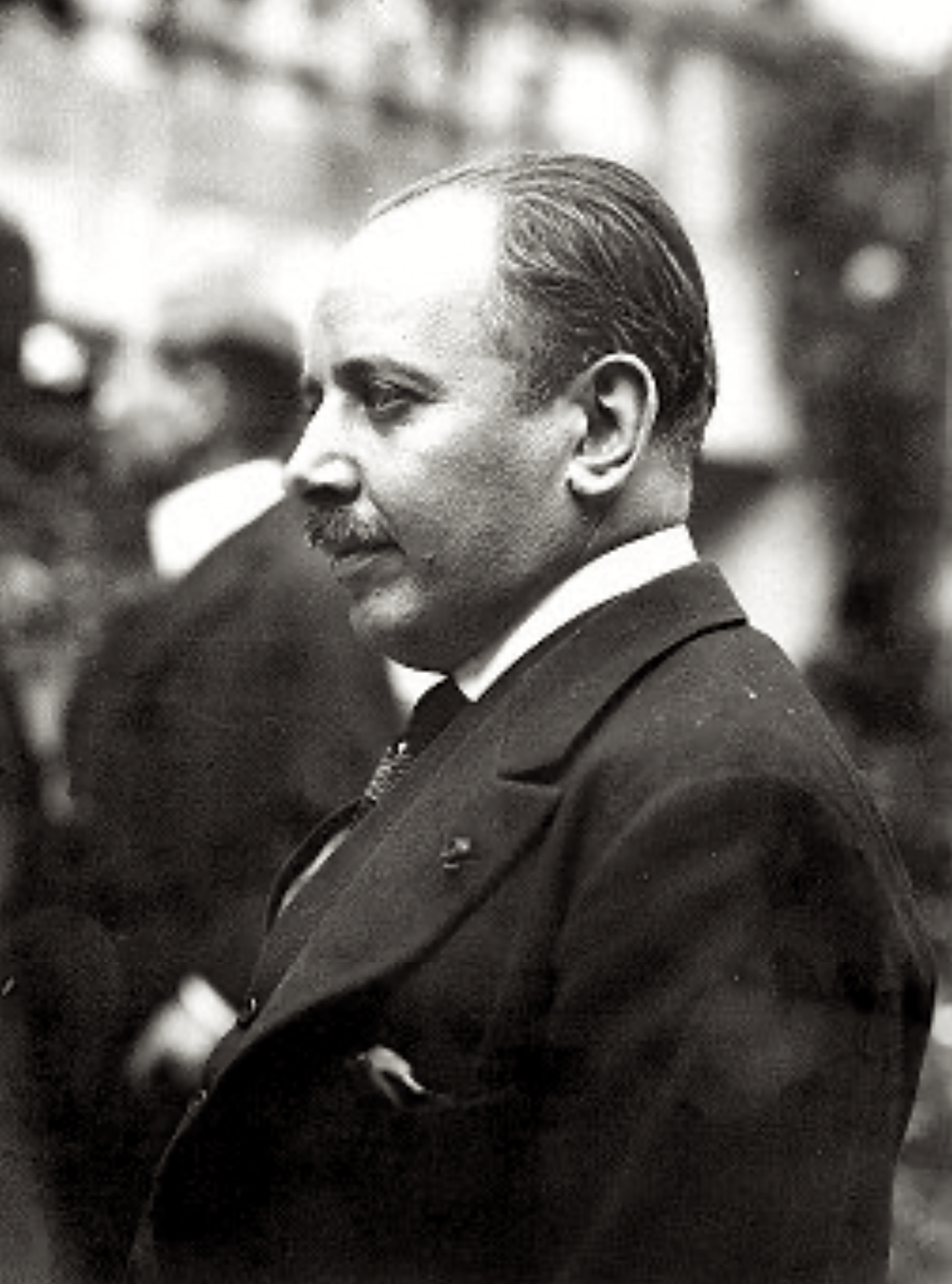
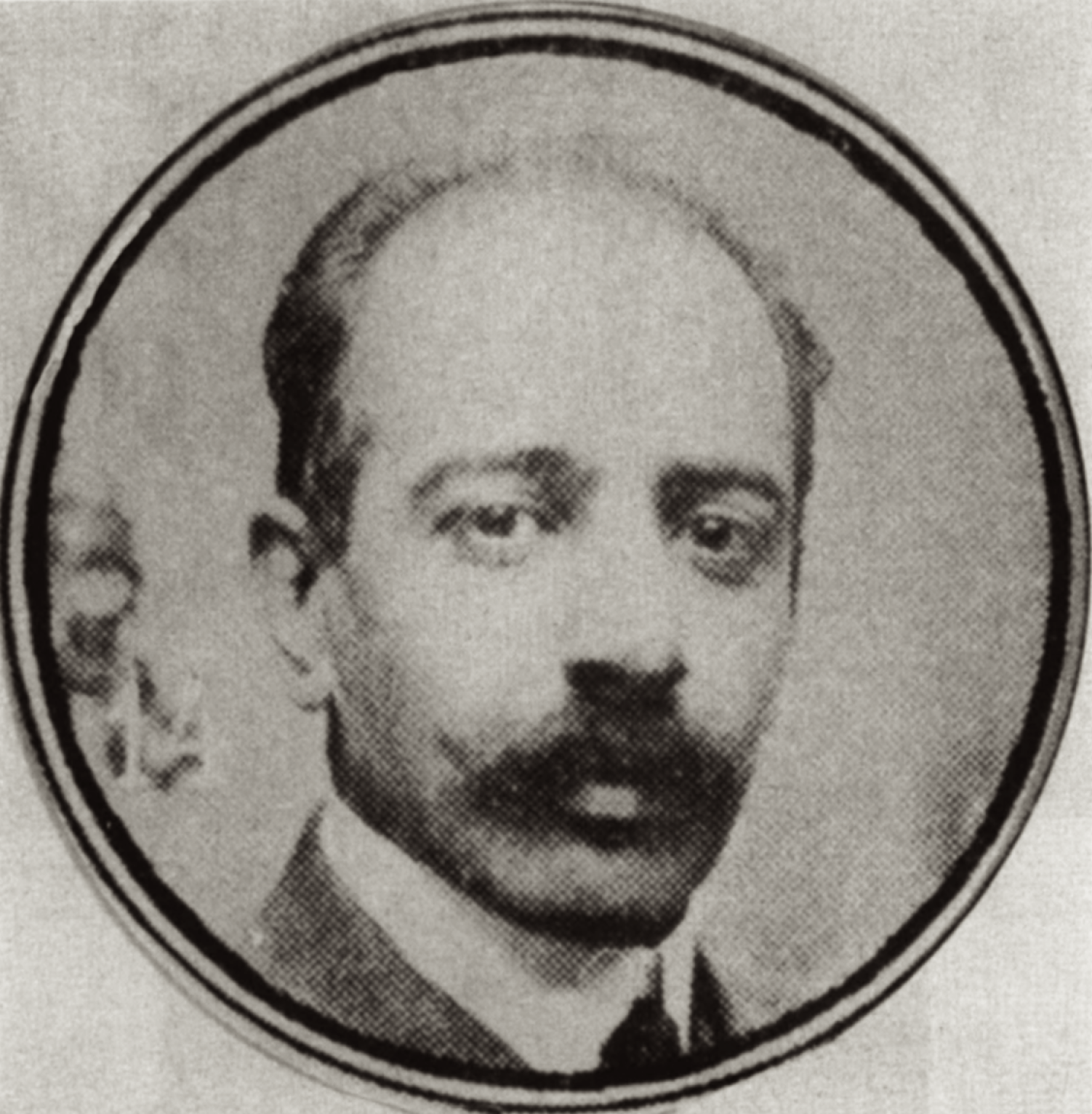
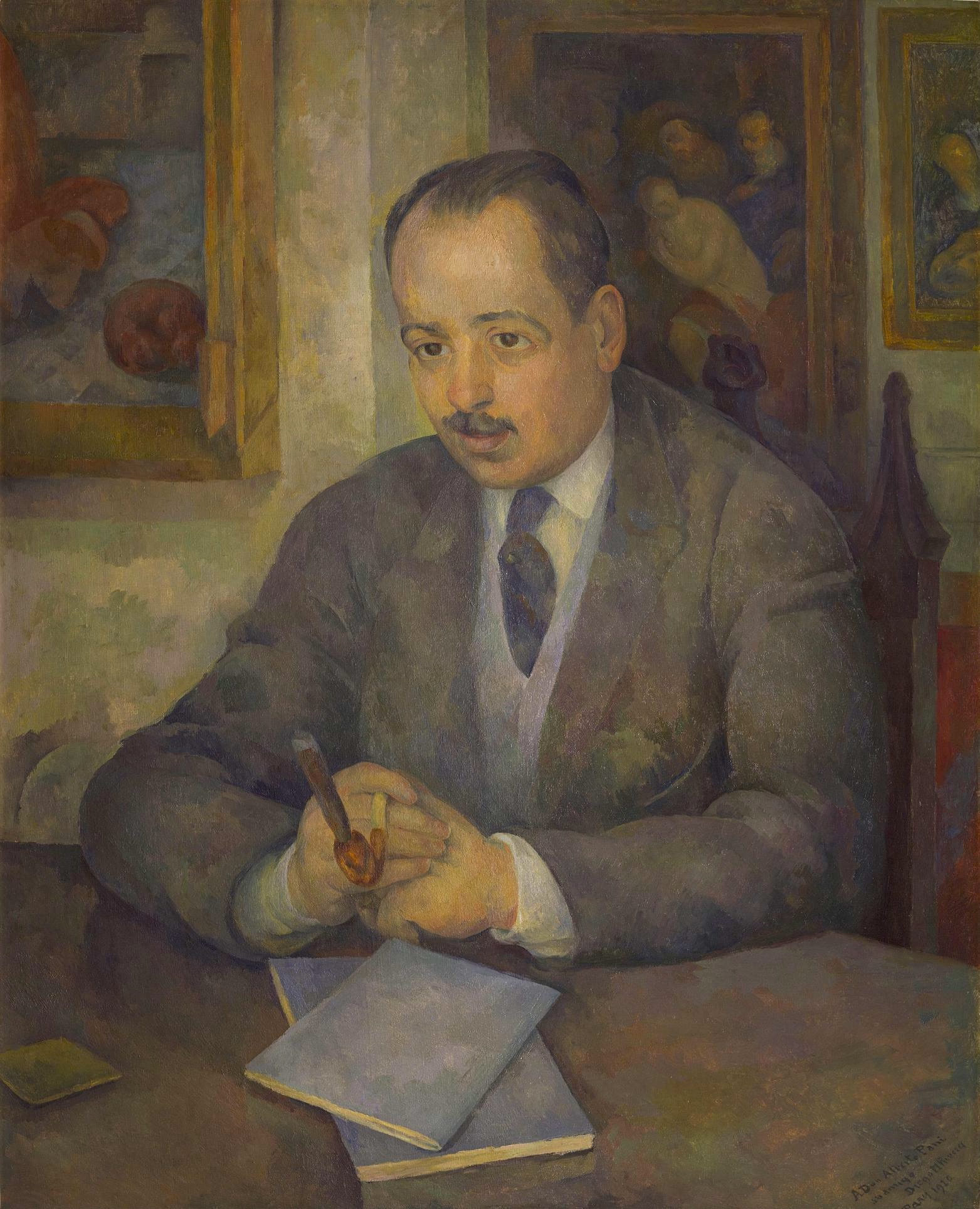
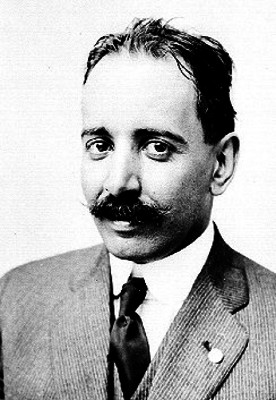
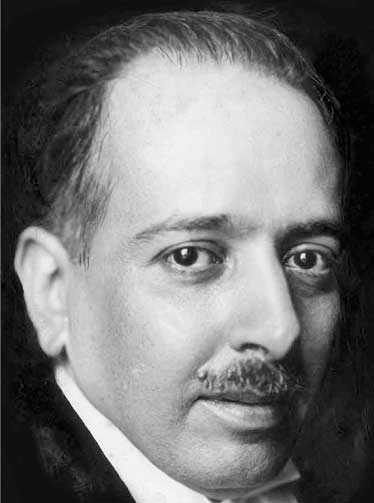
Alberto J. Pani was born in Aguascalientes on June 12, 1878, and from a very young age seemed destined for an uncommon life. At school he was so skilled with numbers that his mathematics teacher would sometimes leave him in charge of the class, something no student ever forgot. That talent took him to Mexico City, where he studied civil engineering and was trained with the rigor that would mark his entire career.
As Mexico lived through turbulent times, Pani joined the Anti-Reelectionist Movement and supported Francisco I. Madero, whom he accompanied as Undersecretary of Public Instruction. During the Ten Tragic Days, he defended the Maderista government and, after the coup, joined the constitutionalist movement under the leadership of Venustiano Carranza.
His organizational ability made him a key figure within the new government. He headed the Constitutional Railways, then served as Secretary of Industry, Commerce, and Labor and later as ambassador to France, representing Mexico during delicate times for international diplomacy.
The great architect of the Mexican financial system
The country was facing enormous economic problems when, in 1923, he was appointed Secretary of Finance. There he shone like never before. Pani did not merely put public accounts in order: he rebuilt the financial system from its very foundations.
Among his most important contributions stand out:
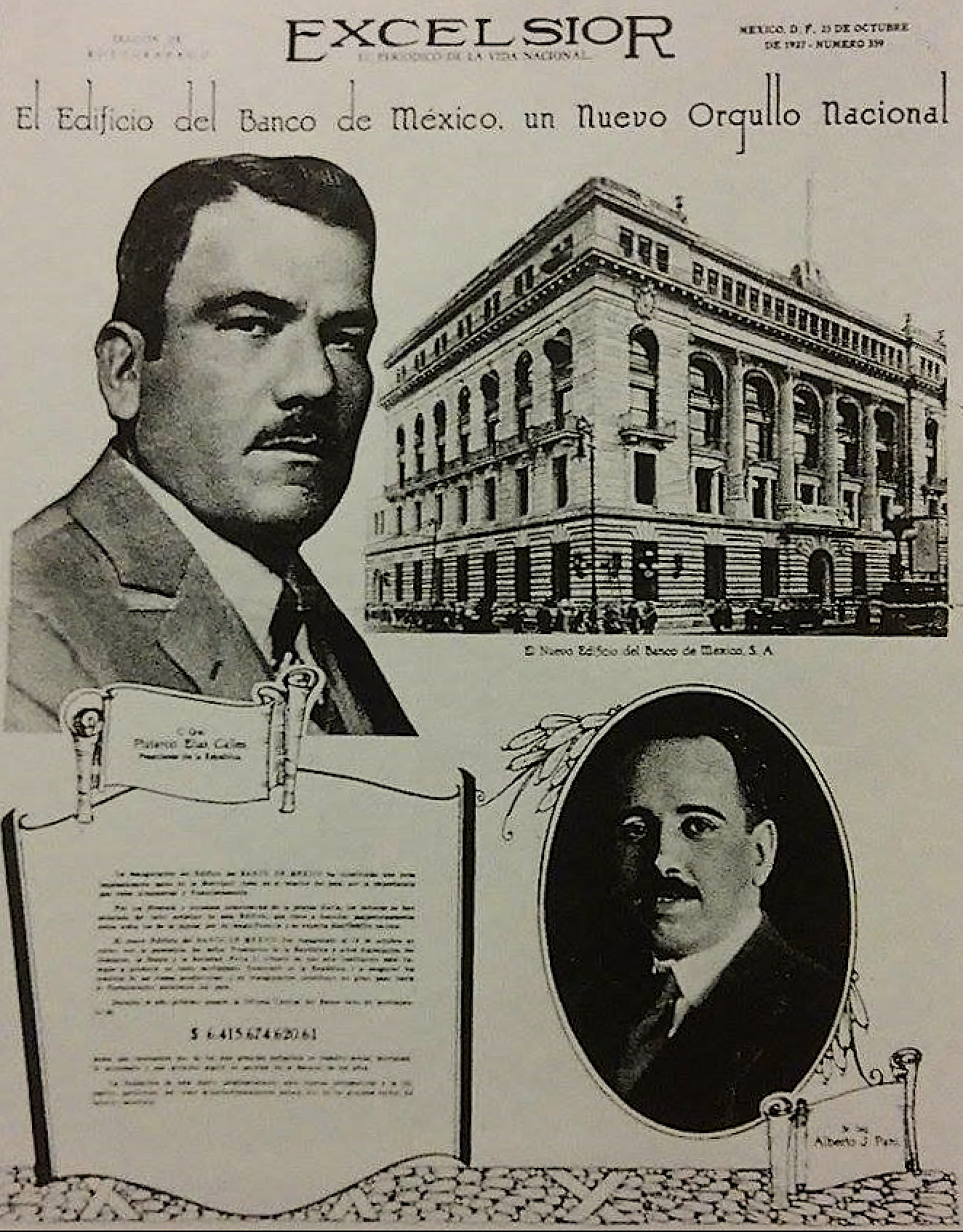
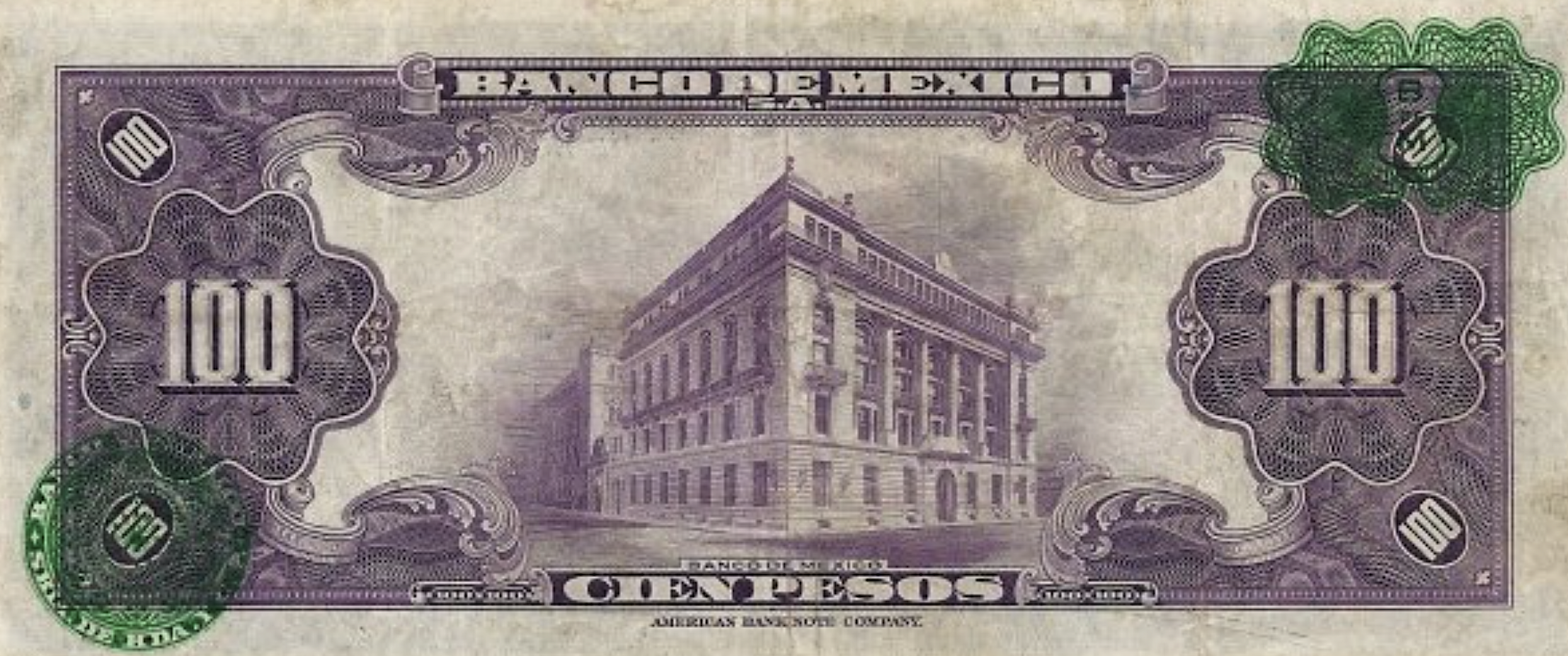
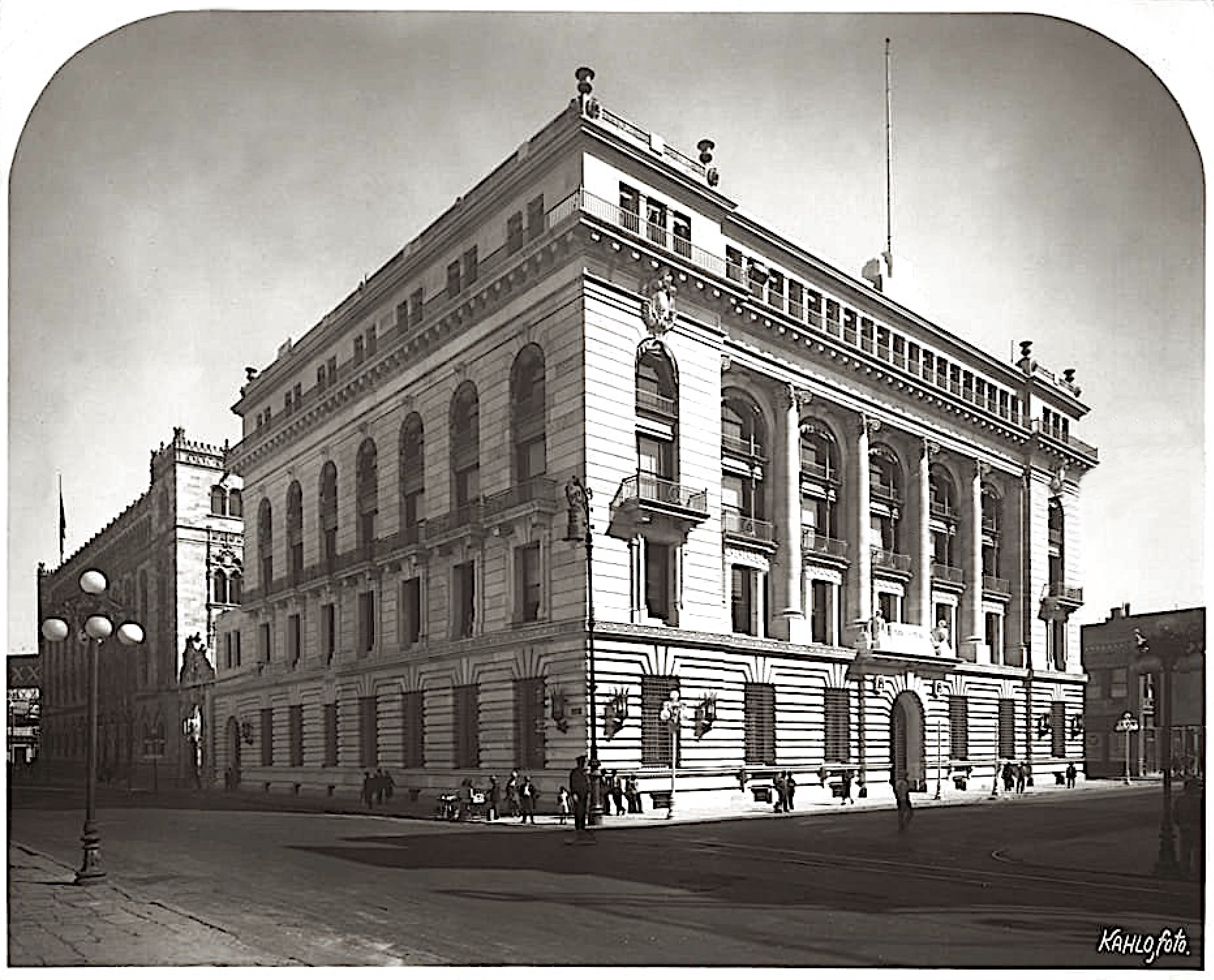
•The founding of the Bank of Mexico (1925), a central pillar of the country’s economic life.
•The creation of the Income Tax, which even today supports a large part of the national budget.
•A comprehensive banking reform that brought stability to credit.
•The renegotiation of the external debt, which relieved the country of unpayable commitments.
•The creation of institutions such as the Agricultural Credit Bank and the Mortgage and Public Works Bank, the seed of what is now BANOBRAS.
Pani was practical, straightforward, and above all, visionary. During the Great Depression, he promoted policies that, without knowing it, anticipated the ideas of the British economist John Maynard Keynes that would dominate the world years later. For many economists, his work was decisive in enabling Mexico to stabilize after the Revolution.
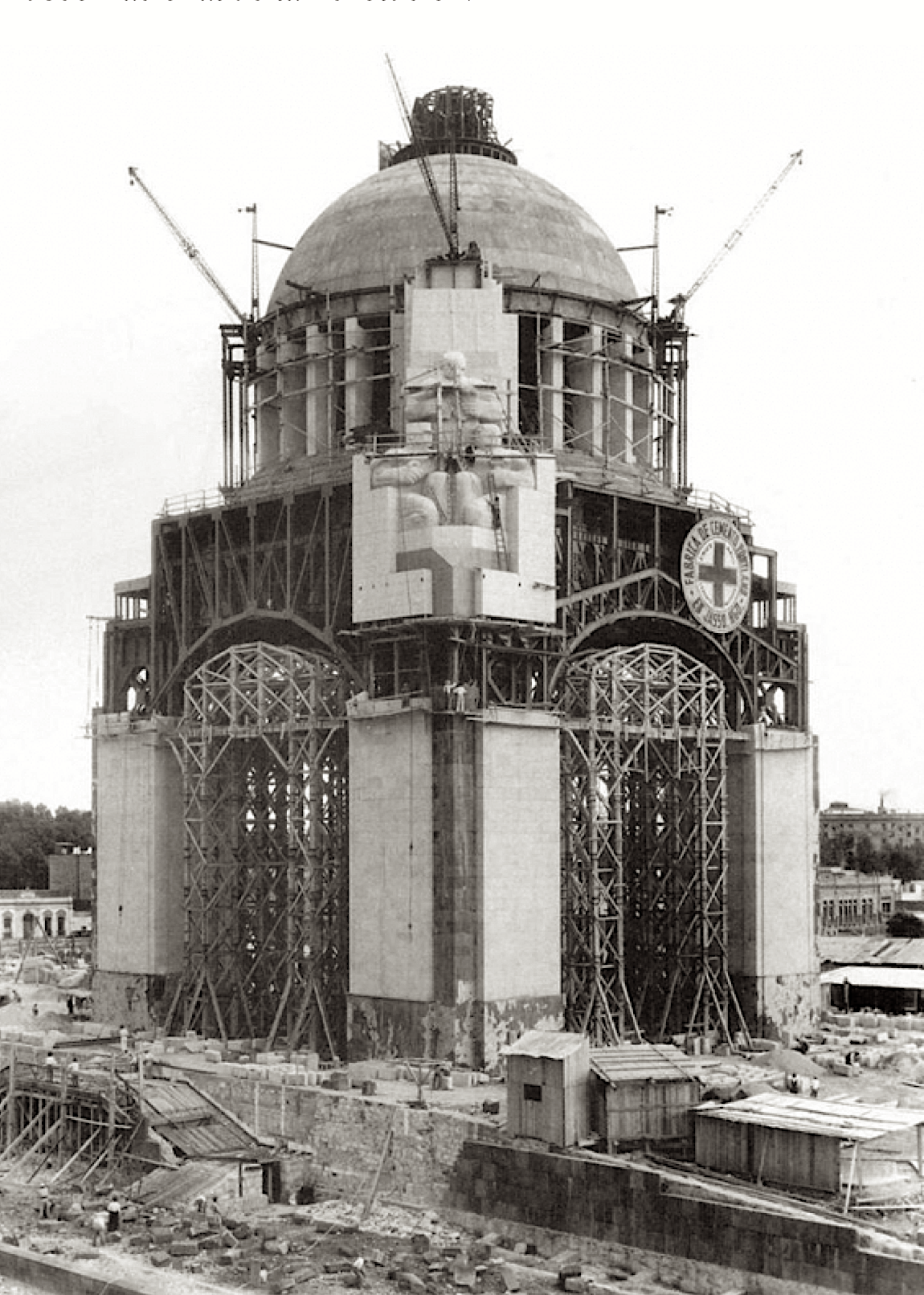
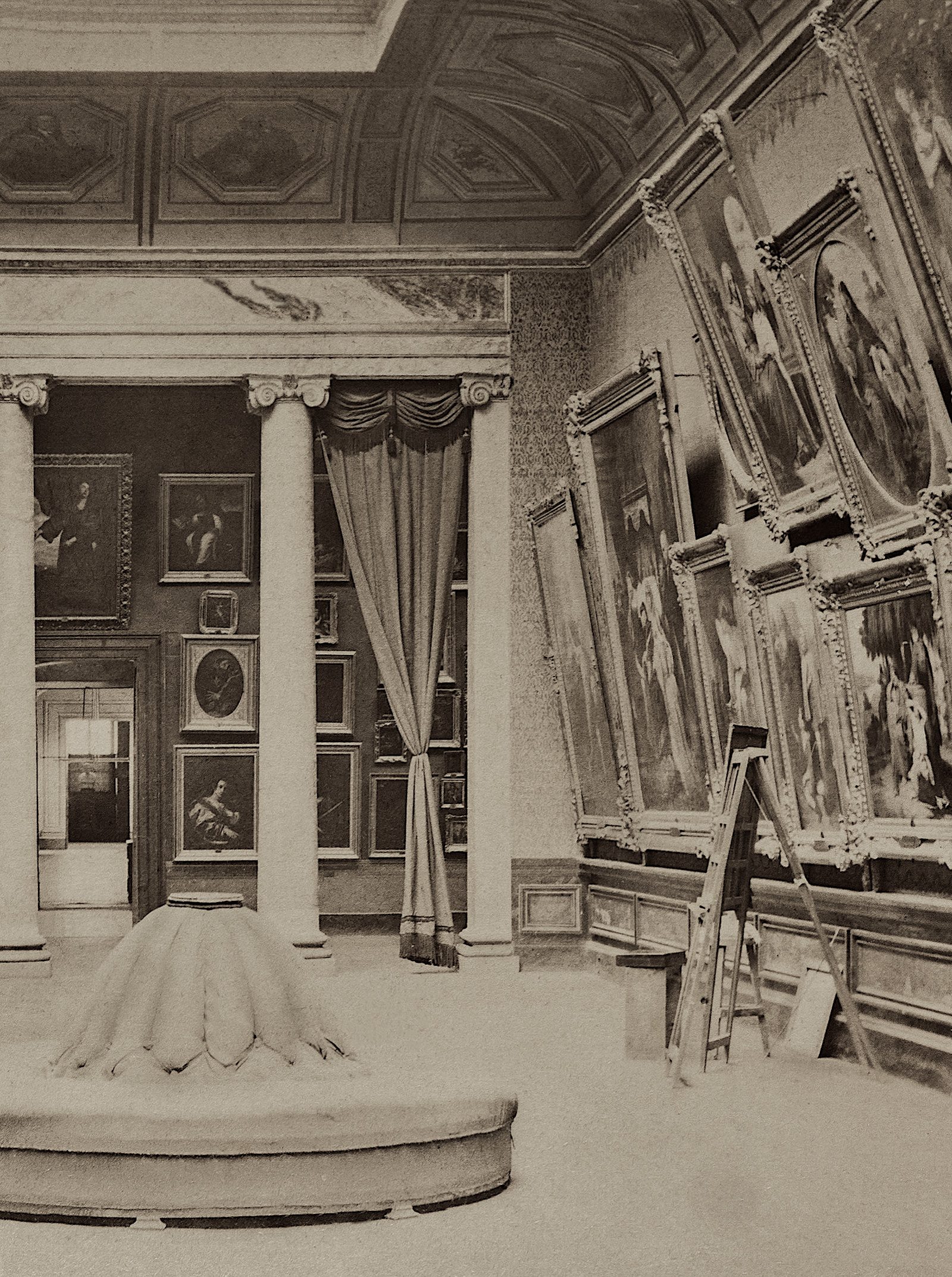
In addition to his financial work, he supported infrastructure projects and public works. One of the most emblematic was the completion of the Palace of Fine Arts, whose final stage he personally supervised with the meticulous eye of the engineer he always was.
Diplomat, strategist, and controversial figure
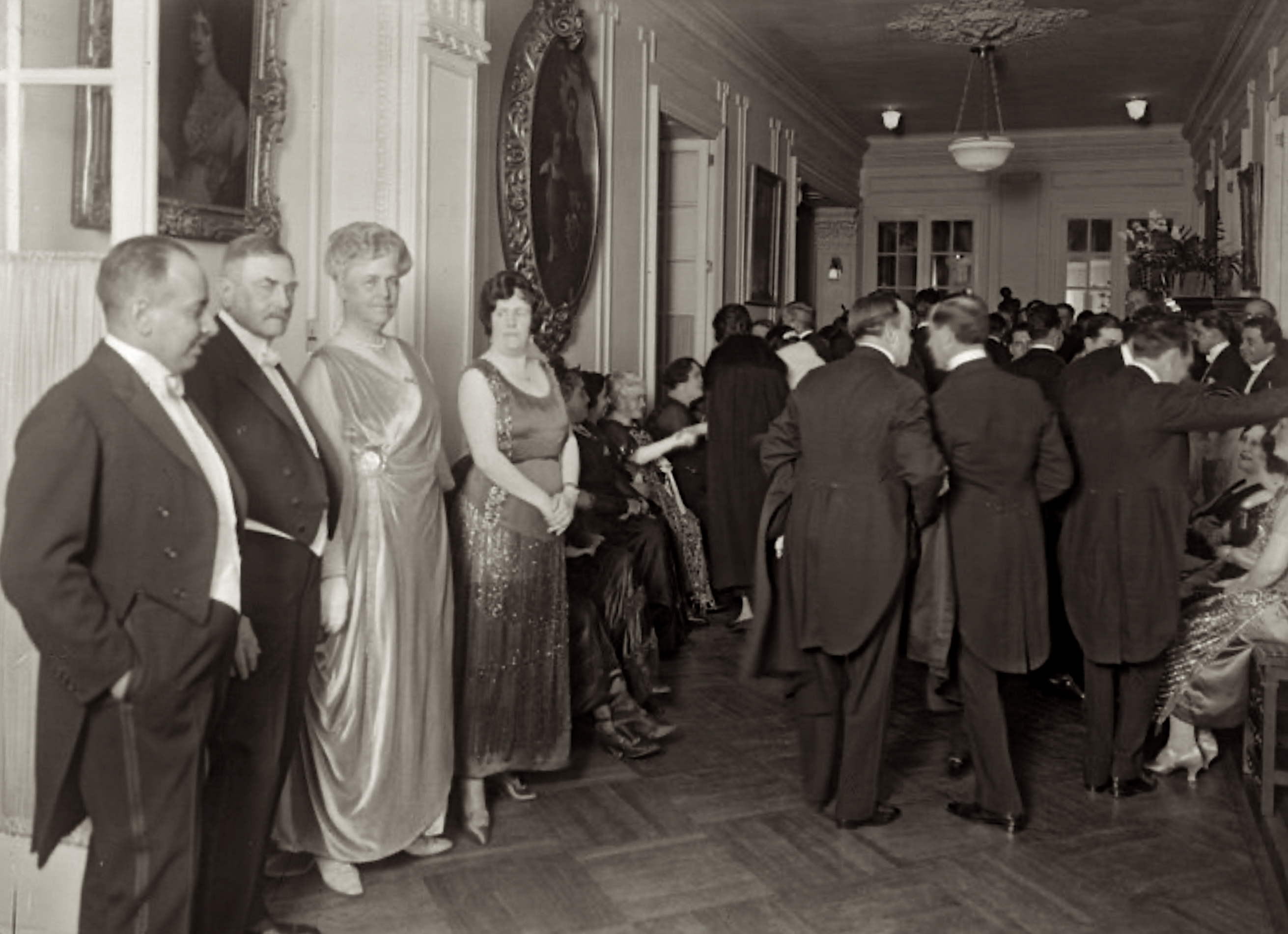
Pani also served as ambassador to Spain and as a minister abroad, always firmly defending the positions of the Mexican government. His strong character and elegant presence made him a much-discussed and, at times, controversial figure. He was a direct man, unafraid to make difficult decisions, which led him to clash with some political sectors of his time.
Final years and legacy
After his resignation in 1933, Pani quietly withdrew into private life. He wrote several books on economic policy and reflected on the institutional construction of modern Mexico. He died on August 25, 1955, in Mexico City. Today he is remembered as one of the country’s greatest economic reformers: a brilliant engineer, a financial strategist, and a public official capable of completely transforming the course of the nation. Many of the institutions he created remain active, and a significant part of the economic stability of contemporary Mexico rests on the foundations he established.